
Category
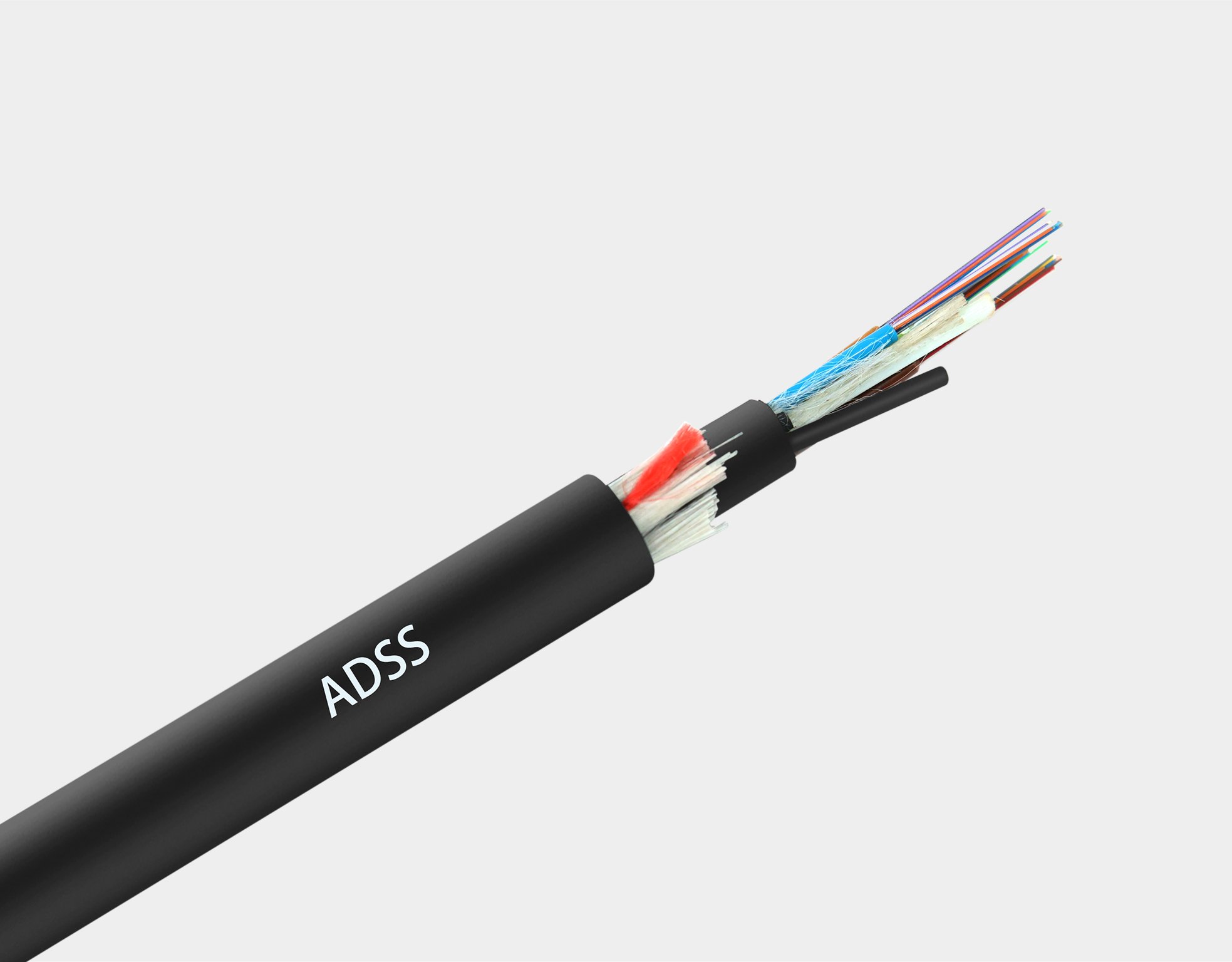
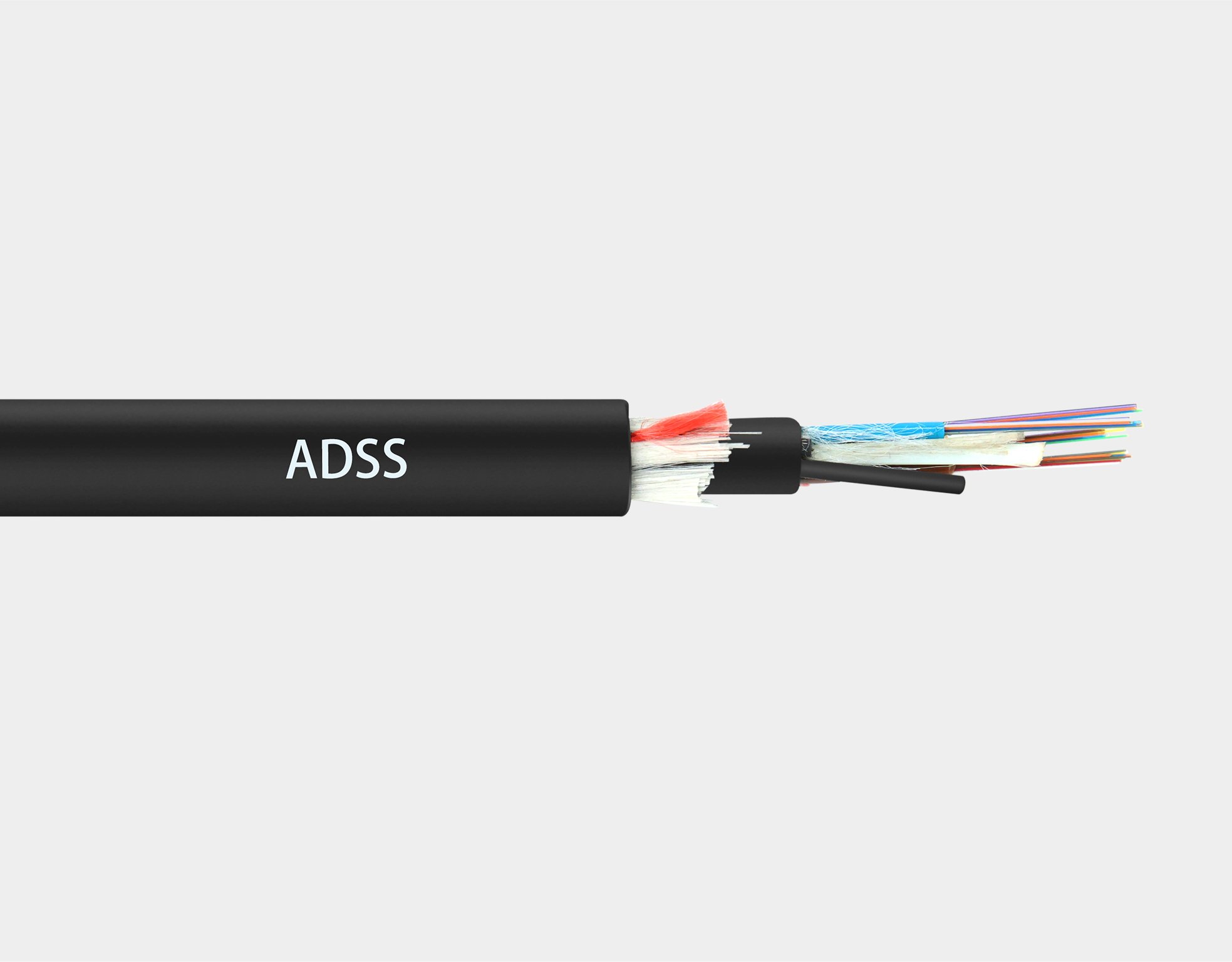
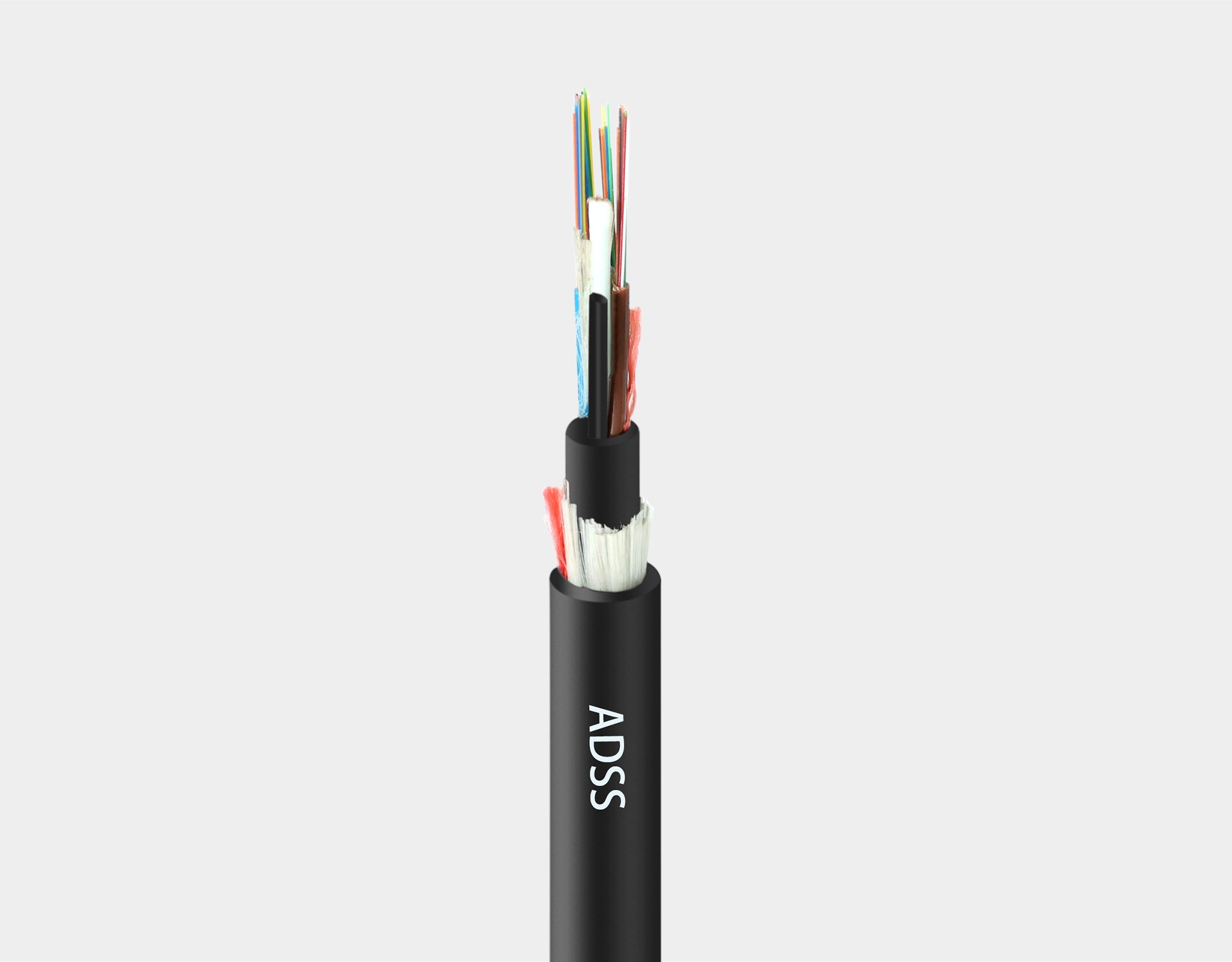
All Dielectric Self Supporting (ADSS) Fiber Optic Cable
- ADSS cable transmits data through pulses of light traveling inside optical fibers.
- Electrical or internet data is converted into optical signals.
- Laser transmitters send light through fiber cores.
- Light travels long distances with minimal loss.
- Optical receivers convert signals back into electrical data.
What is ADSS Fiber Optic Cable?
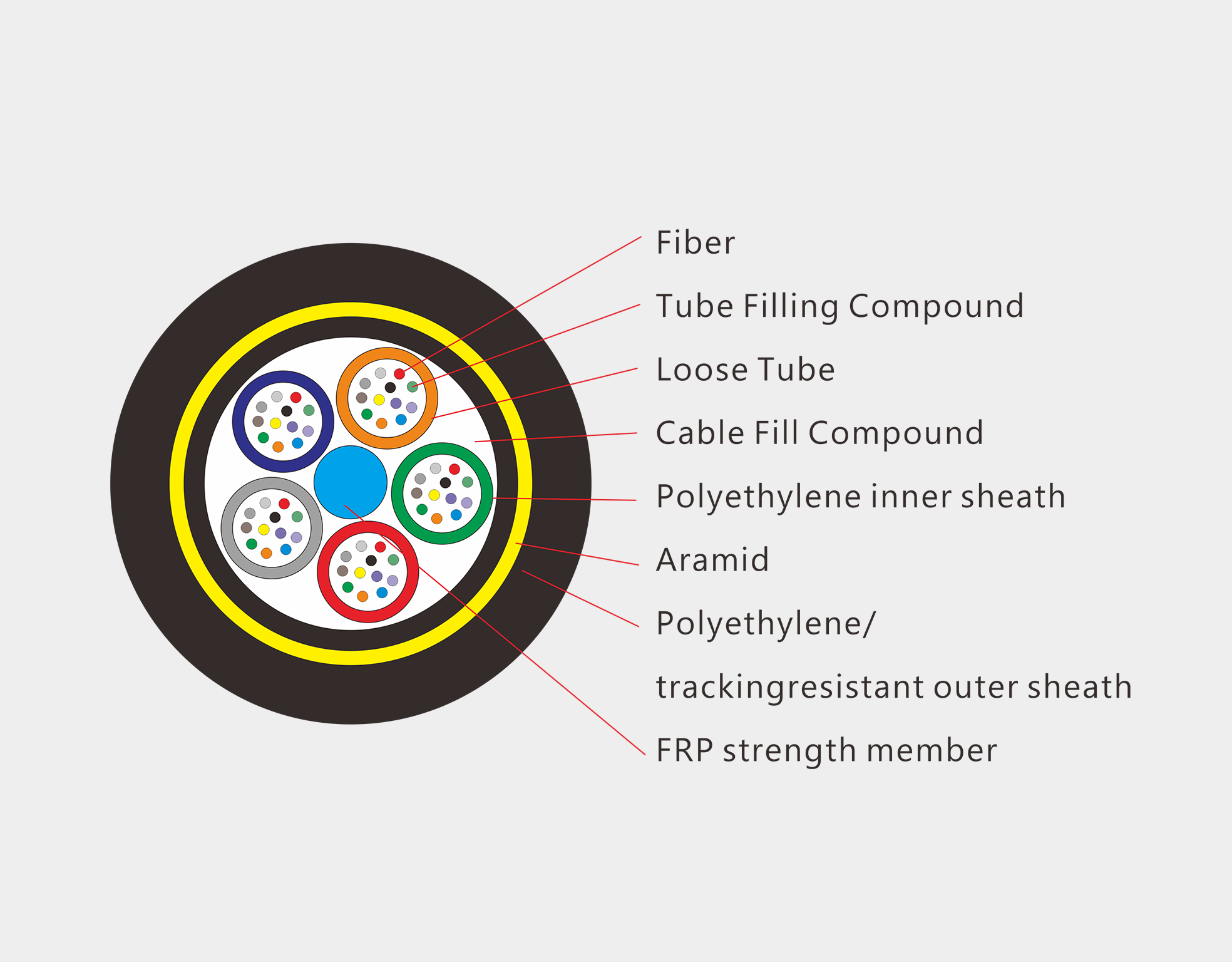
ADSS (All-Dielectric Self-Supporting) fiber optic cable is a type of outdoor aerial fiber optic cable designed for installation on overhead power transmission lines, utility poles, and communication networks without requiring a metallic messenger wire.
Unlike traditional aerial fiber cables, ADSS cable contains no metal components. Its fully dielectric structure allows it to be installed safely near high-voltage power lines because it is immune to electromagnetic interference (EMI).
ADSS fiber optic cable is widely used by:
- Telecom operators
- Power utilities
- Internet service providers (ISPs)
- FTTH network contractors
- Railway communication systems
- Smart grid projects
The main advantage of ADSS cable is that it combines high mechanical strength, lightweight design, corrosion resistance, and easy aerial installation.
Applications of ADSS Fiber Optic Cable
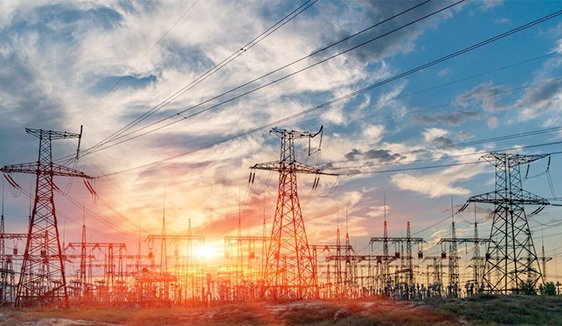
Long Span Fiber Optic Cable
ADSS cables offer high tensile strength and lightweight design, making them ideal for long span installations.
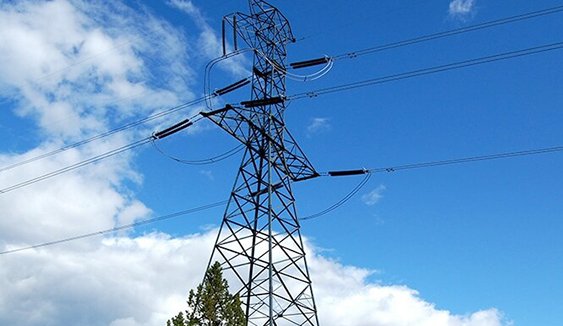
High Altitude Fiber Optic Cable
ADSS cables resist harsh weather and extreme temperatures, ensuring reliable performance in high-altitude environments.

High Voltage Environment
ADSS cables are non-metallic, making them ideal for high-voltage environments as they resist electrical interference.
ADSS Cable Specifications
| Fiber Count | 2 – 288 Core |
| Fiber Type | G652D, G657A1, G657A2 |
| Jacket Material | PE, AT |
| Color | black |
| Strength Member | FRP |
| Length | 1km, 2km, 3km, 4km, customizable |
| Ref. outerdiametermm | Ref.weightkg/km | Rec.daily max.workingtensionkN | MaxallowableworkingtensionkN | BreakstrengthkN | Strengthmember CSAmm² | Modulu ofelasticity kN/mm² | Heatexpansion coefficient×106/K | Suitable span(NESC Standard,m) | ||||
| PEsheath | ATsheath | A | B | C | D | |||||||
| 11.8 | 117 | 124 | 1.5 | 4 | 10 | 4.6 | 7.6 | 1.8 | 160 | 100 | 140 | 100 |
| 12.0 | 121 | 129 | 2.25 | 6 | 15 | 7.6 | 8.3 | 1.5 | 230 | 150 | 200 | 150 |
| 12.3 | 126 | 134 | 3.0 | 8 | 20 | 10.35 | 9.45 | 1.3 | 300 | 200 | 290 | 200 |
| 12.6 | 133 | 141 | 3.6 | 10 | 24 | 13.8 | 10.8 | 1.2 | 370 | 250 | 350 | 250 |
| 12.8 | 138 | 145 | 4.5 | 12 | 30 | 14.3 | 11.8 | 1.0 | 420 | 280 | 400 | 280 |
| 13.1 | 145 | 153 | 5.4 | 15 | 36 | 18.4 | 13.6 | 0.9 | 480 | 320 | 460 | 320 |
| 13.5 | 155 | 163 | 6.75 | 18 | 45 | 22.0 | 16.4 | 0.6 | 570 | 380 | 550 | 380 |
| 13.8 | 163 | 171 | 7.95 | 22 | 53 | 26.4 | 18.0 | 0.3 | 670 | 460 | 650 | 460 |
| 14.4 | 177 | 186 | 9.0 | 26 | 60 | 32.2 | 19.1 | 0.1 | 750 | 530 | 750 | 510 |
| 14.6 | 182 | 191 | 10.5 | 28 | 70 | 33.0 | 19.6 | 0.1 | 800 | 560 | 800 | 560 |
| 14.8 | 195 | 204 | 12.75 | 34 | 85 | 40.0 | 20.1 | 0.1 | 880 | 650 | 880 | 650 |
Why Choose YUNDA ADSS Fiber Optic Cable?
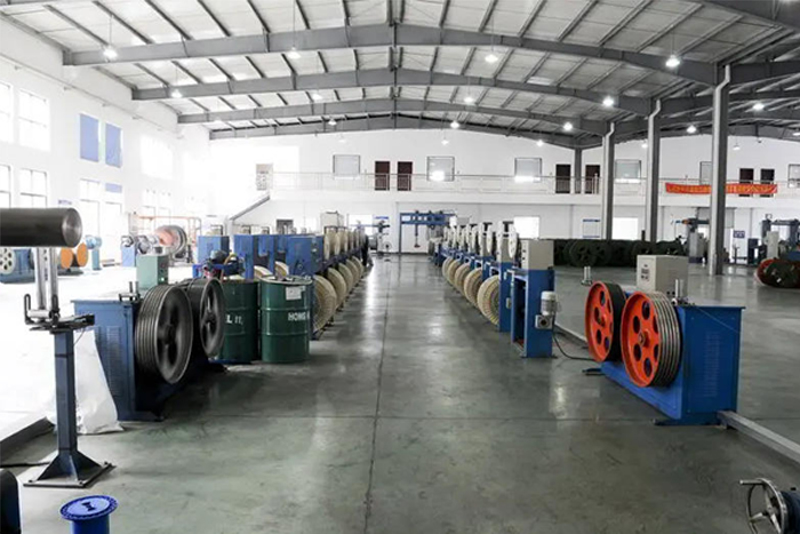
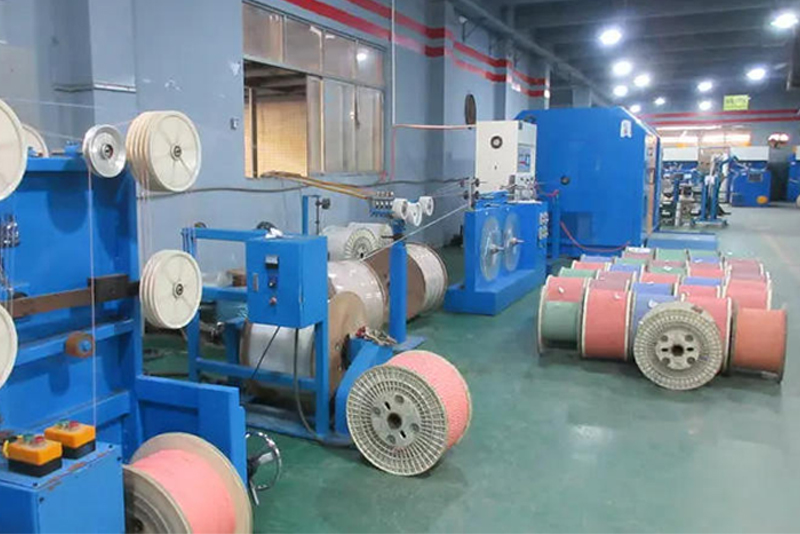
A professional ADSS cable manufacturer should provide:
✔ Factory-direct pricing
✔ Customized fiber counts
✔ OEM production
✔ IEC standard testing
✔ Fast delivery
✔ Technical support
For telecom contractors and distributors, choosing a reliable ADSS fiber optic cable supplier helps reduce project risks and improve network reliability.
Related Products
Share ADSS Fiber Optic Cable to Your Social Media
Ultimate FAQ Guide to Fiber Optic Cable
What types of fiber optic cables do you manufacture?
Our factory produces a wide range of fiber optic cables for different applications:
Outdoor Fiber Optic Cable
- ADSS Fiber Optic Cable
- OPGW Fiber Optic Cable
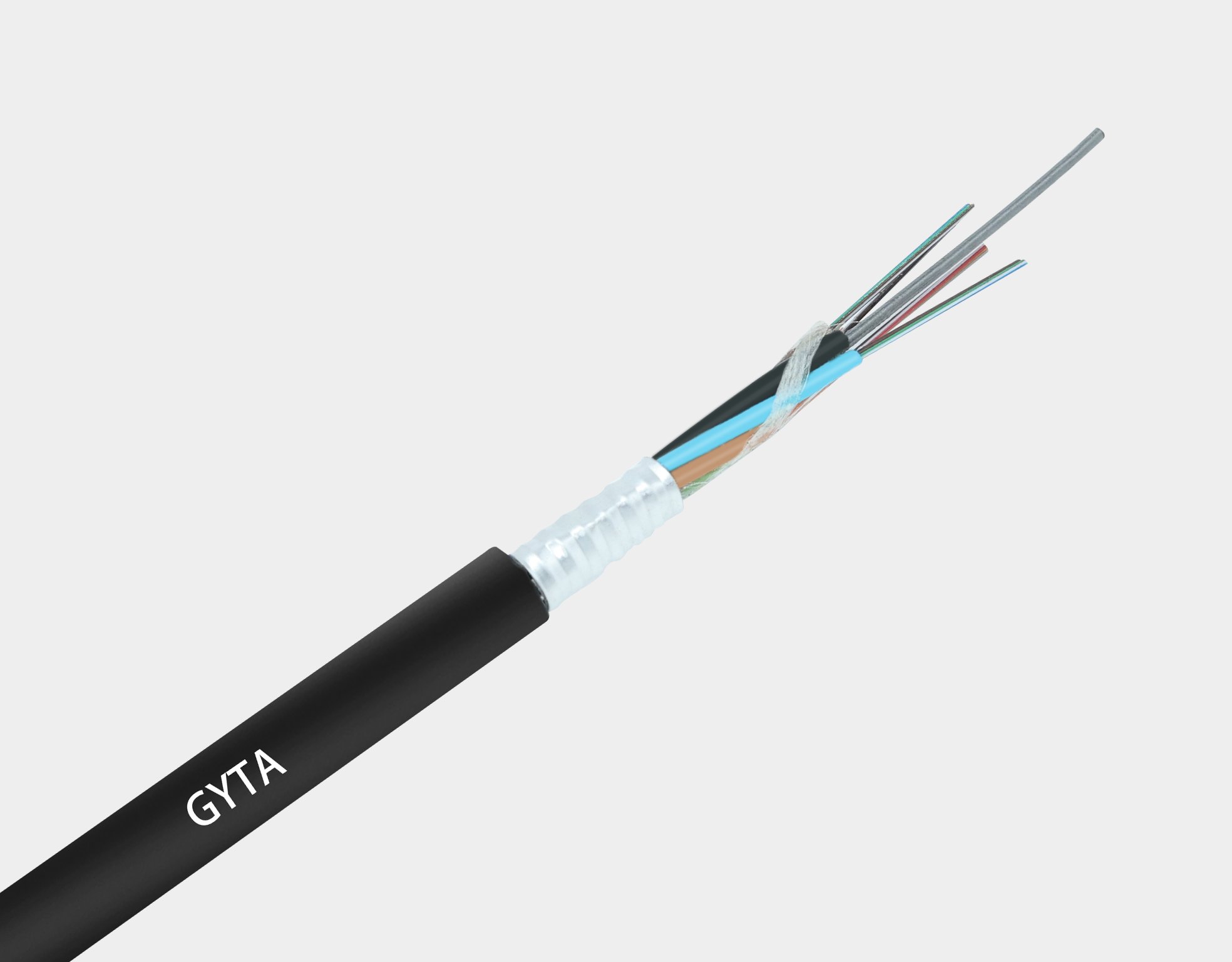
- GYTA Fiber Optic Cable
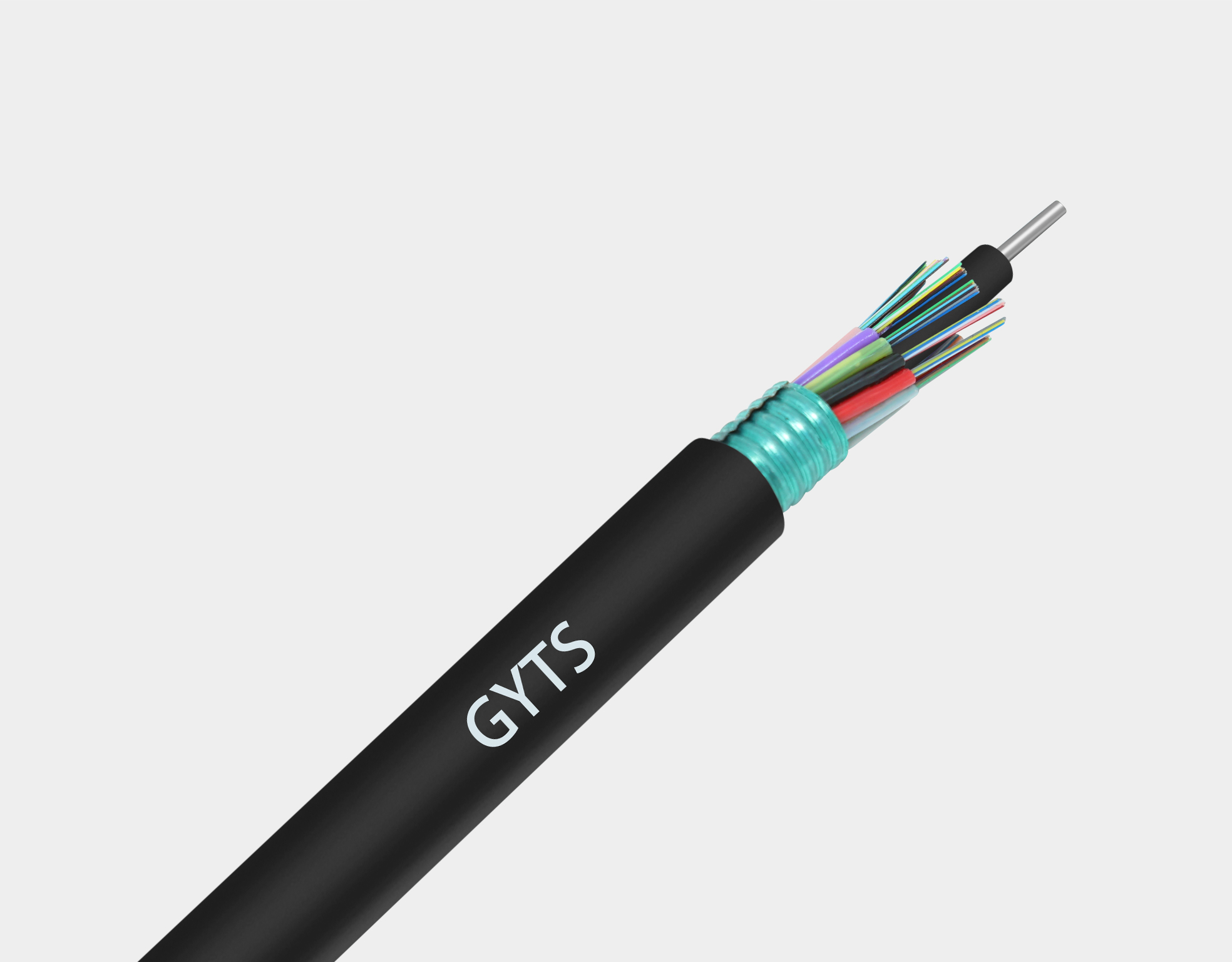
- GYTS Fiber Optic Cable
- GYXTW Fiber Optic Cable
- Armored Fiber Optic Cable
- Direct Burial Fiber Cable
- Duct Fiber Optic Cable
- Aerial Fiber Optic Cable
FTTH Fiber Optic Cable
- FTTH Drop Cable
- GJYXCH
- GJYXFCH
- Indoor Fiber Cable
Special Fiber Optic Cable
- Submarine Fiber Optic Cable
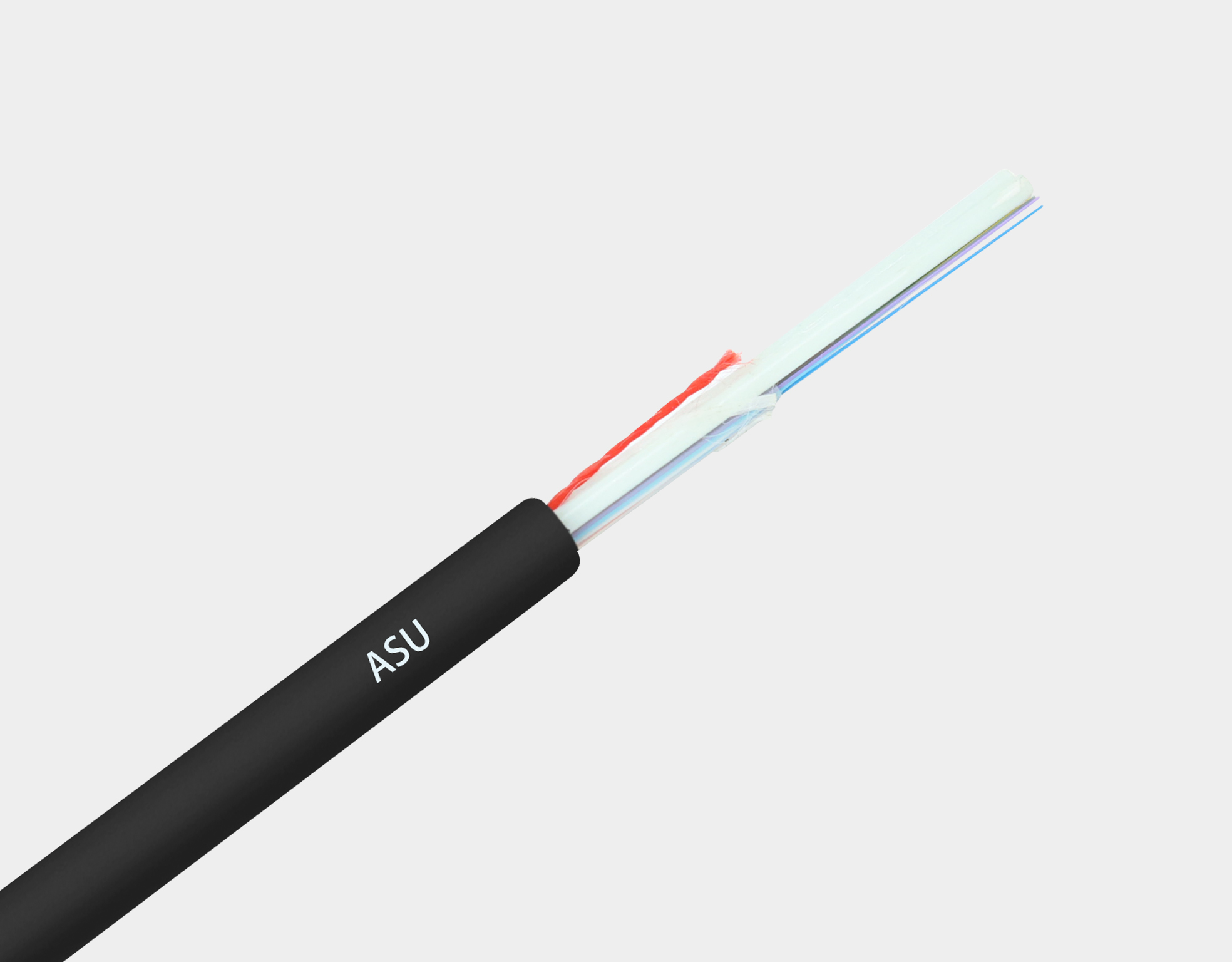
- ASU Fiber Optic Cable
- Hybrid Fiber Cable
- Air Blown Fiber Cable
We can provide fiber optic cable solutions for telecom operators, ISPs, contractors, distributors, and government projects.
Where is your fiber optic cable factory located?
Our fiber optic cable manufacturing facility is located in China, with modern production lines and complete testing equipment.
The factory includes:
- Fiber drawing and coloring equipment
- Cable extrusion production lines
- SZ stranding machines
- Armoring production lines
- Optical performance testing equipment
- Mechanical performance testing equipment
We have the ability to produce large-volume orders while maintaining consistent quality.
What is your monthly production capacity?
Our factory has strong production capacity to support both small and large projects.
Typical production capacity:
- ADSS Cable: thousands of kilometers per month
- GYTA/GYTS Cable: large-scale continuous production
- FTTH Drop Cable: high-speed mass production
For large projects, we can arrange dedicated production schedules to ensure stable delivery.
Can you provide customized fiber optic cables?
Yes. We provide OEM and ODM customization services according to customer requirements.
Customization options include:
- Fiber count (2 cores, 4 cores, 12 cores, 24 cores, 48 cores, 96 cores, 144 cores, etc.)
- Fiber type (G652D, G657A1, G657A2, OM1, OM2, OM3, OM4)
- Cable structure
- Jacket material
- Cable color
- Printing information
- Reel size
- Packaging requirements
Our engineering team can recommend the most suitable cable design based on your installation environment.
What fiber types do you use?
We mainly use high-quality optical fibers from reliable suppliers.
Available fiber types:
Single Mode Fiber
- G652D
- G657A1
- G657A2
Multimode Fiber
- OM1
- OM2
- OM3
- OM4
G652D is commonly used for backbone networks, while G657A1/A2 is widely used for FTTH applications because of its excellent bending performance.
What standards do your fiber optic cables meet?
Our fiber optic cables comply with international standards, including:
- IEC standards
- ITU-T recommendations
- RoHS requirements
- ISO quality management standards
Different cable types can meet specific requirements such as:
- IEC 60794 Fiber Optic Cable Standard
- ITU-T G.652/G.657 Fiber Standard
- ASTM and customer-specific requirements
How do you guarantee fiber optic cable quality?
Quality control is one of our factory priorities.
Each production stage is strictly inspected:
Raw Material Inspection
- Optical fiber quality
- Strength member
- Jelly compound
- HDPE jacket material
Production Testing
- Fiber attenuation testing
- Tensile strength testing
- Crush resistance testing
- Temperature cycling testing
Final Inspection
- Optical performance test
- Appearance inspection
- Length verification
- Packaging inspection
Every cable shipment is tested before delivery.
What testing equipment do you have?
Our factory uses professional testing equipment, including:
- OTDR testing equipment
- Tensile testing machines
- Crush resistance testers
- Environmental testing chambers
- Fiber attenuation testers
- Diameter measurement equipment
These tests ensure cable reliability during installation and long-term operation.
What is the minimum order quantity (MOQ)?
MOQ depends on the cable type and specifications.
Typical MOQ:
- Standard fiber optic cable: flexible MOQ
- Customized cable: depends on production requirements
- Large projects: negotiated according to project volume
Please contact our sales team for a customized quotation.