
China Direct Buried Fiber Optic Cable Manufacturer
Are you in need of a reliable manufacturer for direct buried fiber optic cables? DEKAM has you covered! We specialize in high-quality cables designed to endure harsh underground conditions. As a top supplier in China, we offer competitive pricing without sacrificing quality, perfect for telecommunications and infrastructure projects.
Selling Direct Buried Fiber Optic Cable
Direct buried fiber cable is a type of outdoor fiber optic cable specially designed to be buried directly underground without additional protective conduits. It adopts reinforced structure, anti-corrosion sheath, moisture barrier and tensile armor, which can withstand soil pressure, animal gnawing, temperature changes and underground mechanical impact. Common models include GYTA, GYTS, GYTA53, GYXTW.
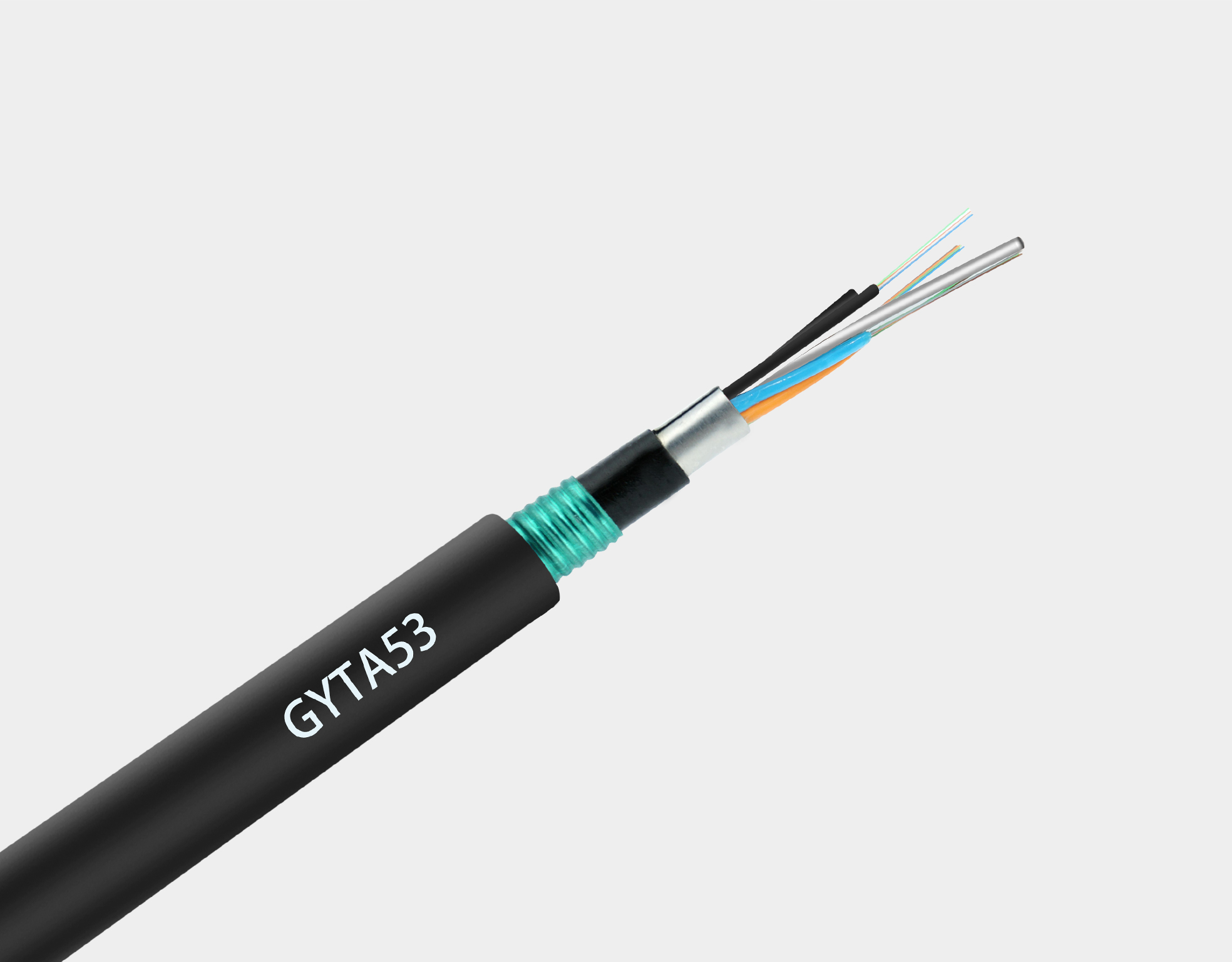
GYTA53 Fiber Optic Cable
Double protection structure: aluminum tape waterproof layer + steel tape mechanical armor
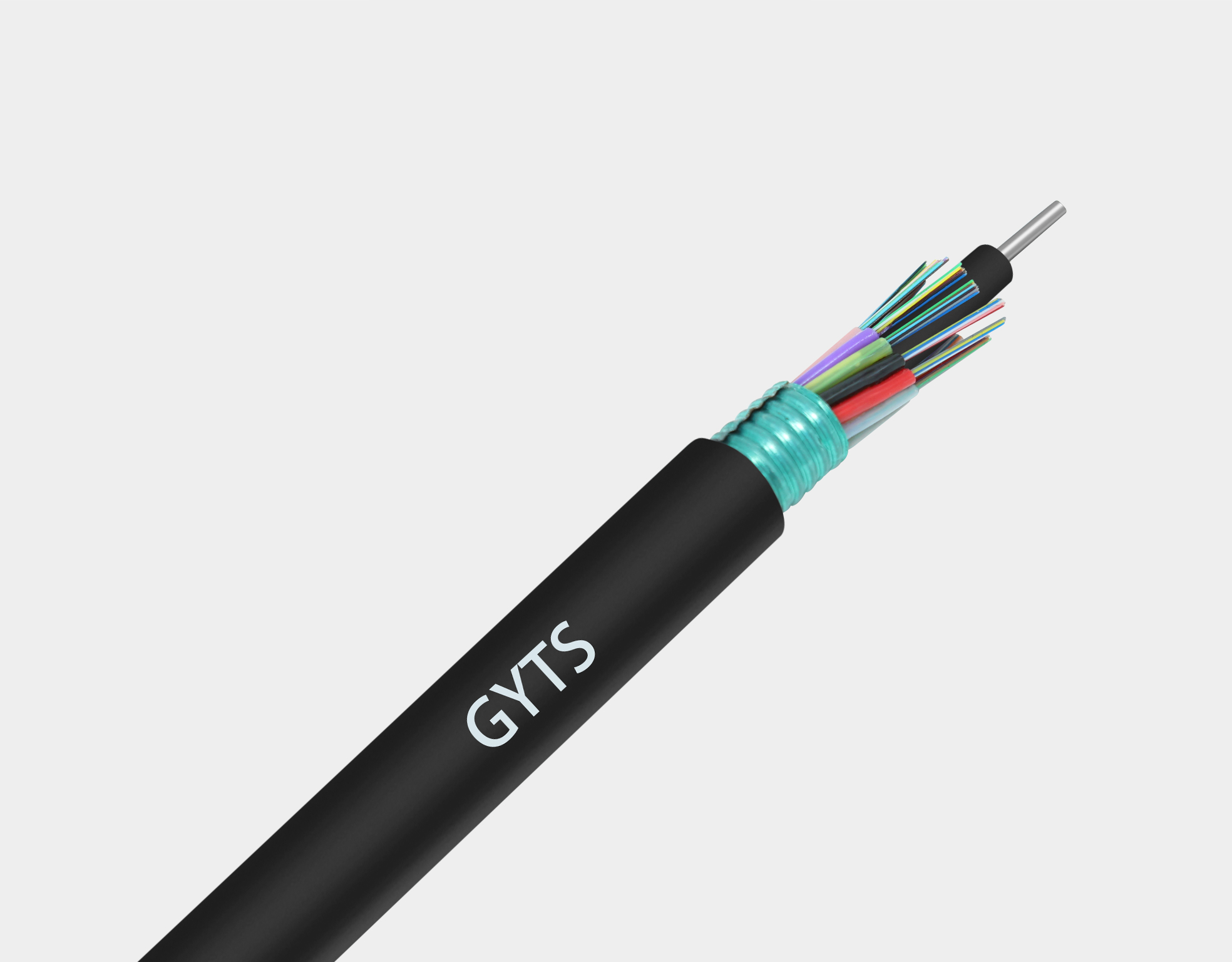
GYTS Fiber Optic Cable
Multi-layer water-blocking system: tube gel + core filling + steel tape barrier
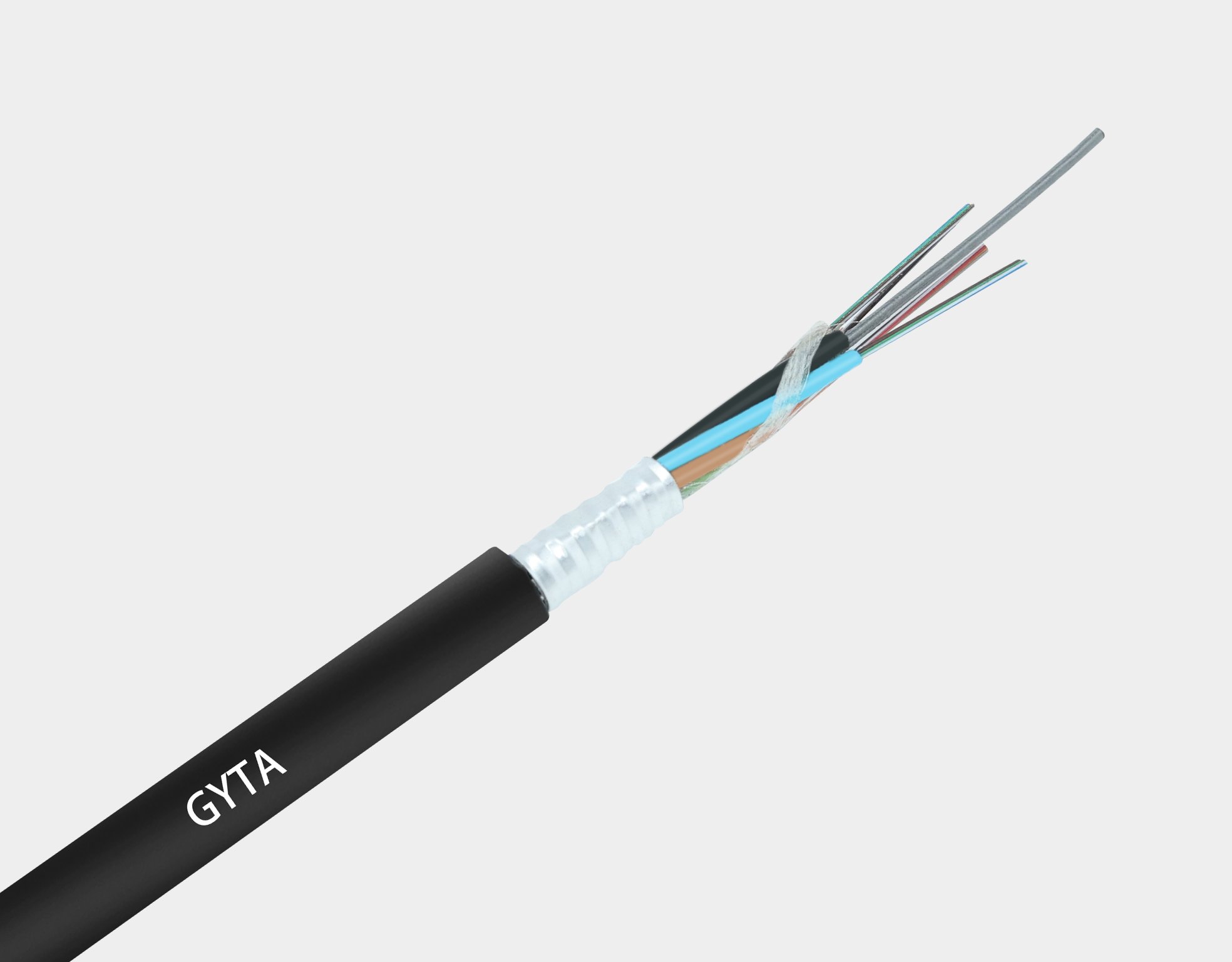
GYTA Fiber Optic Cable
Light weight compared with GYTS Excellent moisture barrier performance
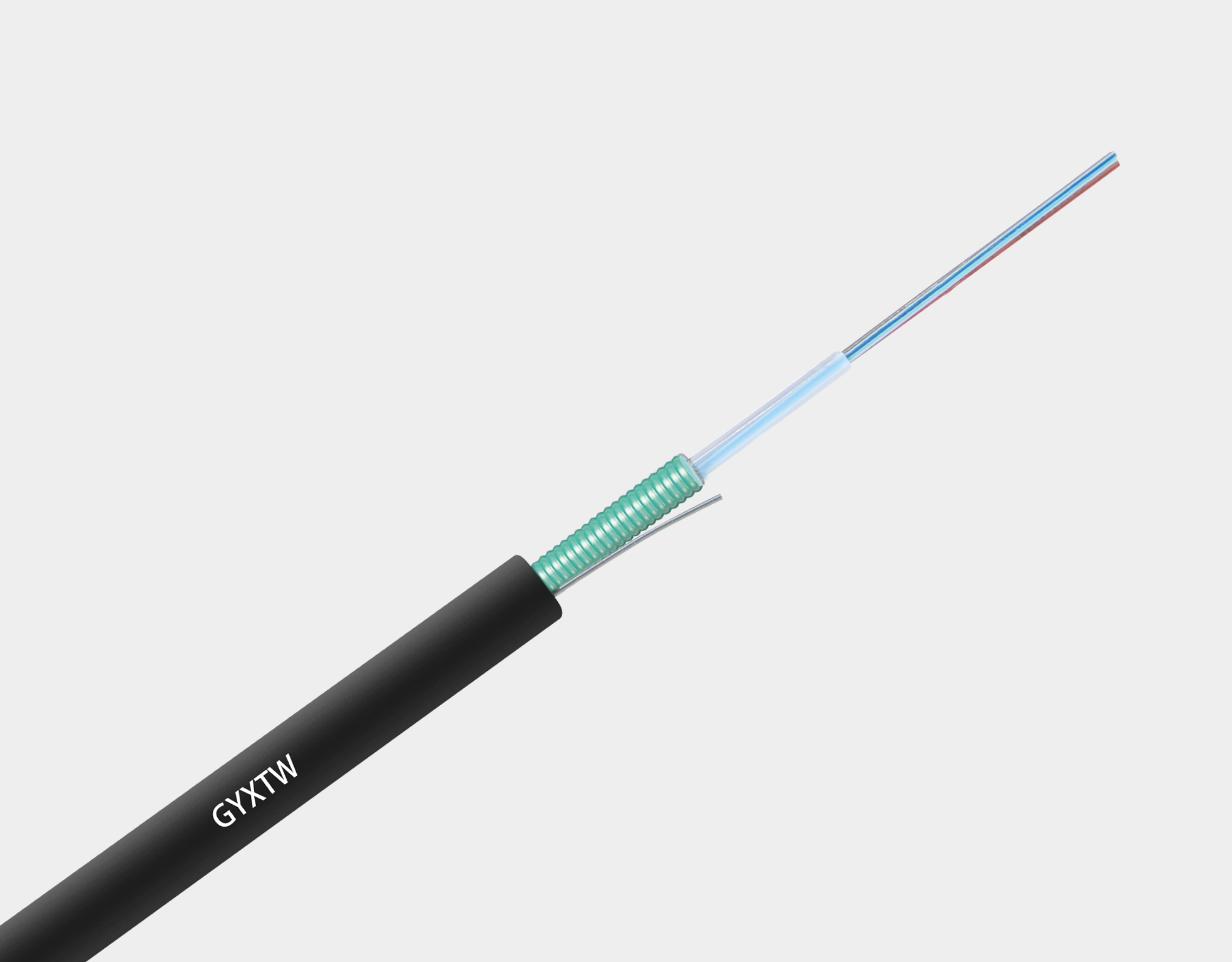
GYXTW Fiber Optic Cable
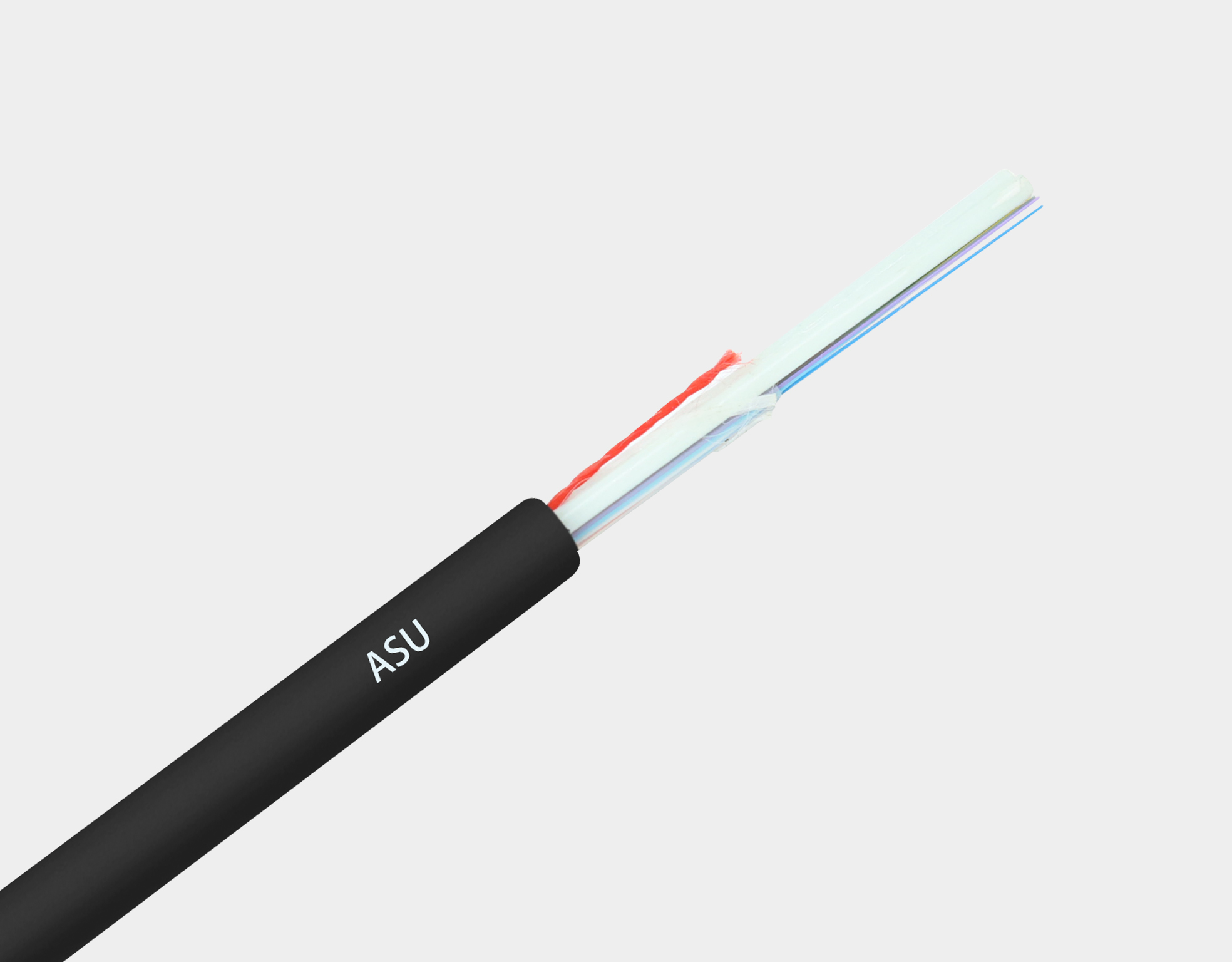
GYXTW fiber optic cable is constructed using high-quality materials for durability and performance.
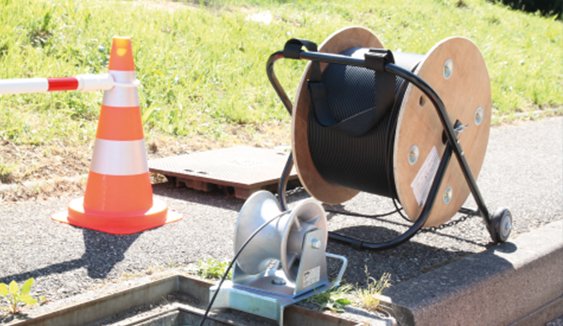
What Is Direct Buried Fiber Optic Cable?
Direct buried fiber optic cable is designed for underground installation without the need for additional protective conduits. These cables feature robust outer jackets and often include water-blocking materials to prevent moisture ingress. They are engineered to withstand harsh environmental conditions, including soil pressure and temperature fluctuations, making them suitable for direct burial applications in various terrains.
Specifications of Direct Buried Fiber Optic Cables
No matter the type or specifications of direct-buried fiber optic cable you require, our extensive experience enables us to manufacture it precisely to your needs.
- Fiber Count: 1 – 288 Core
- Fiber Type: G652D, G657A1, G657A2…OM2, OM3, OM4…OS1, OS2…
- Core Type: Single mode, Multimode
- Jacket Material: PE, HDPE, AT…
- Application: Self-supporting, Hanging Lines…
- Length:1km, 2km, 4km, 6km…
- Span: 50m, 100m, 150m, 200m…
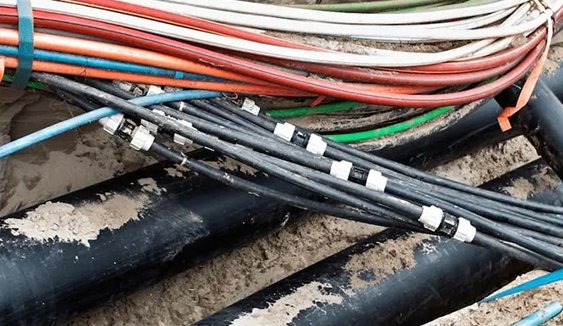
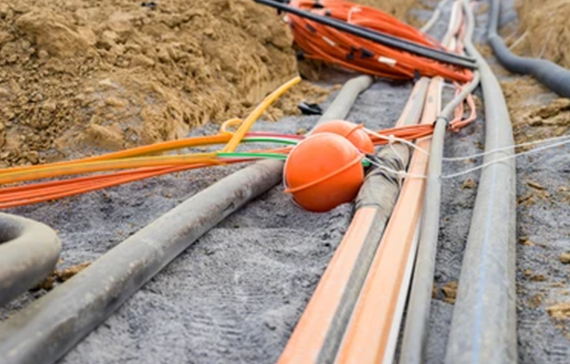
Custom Direct Buried Optical Cables For Your Project
As a leading manufacturer of direct-buried fiber optic cables, DEKAM offers extensive customization options, including cable color, jacket material, diameter, core count, length, and packaging. We also provide branding with your company’s logo. Whether you need standard or specialized solutions, DEKAM is dedicated to delivering high-quality, tailored direct-buried fiber optic cables to meet your project requirements.
Related Products
Share Direct Buried Fiber Optic Cable to Your Social Media
Ultimate FAQ Guide to Direct Buried Fiber Optic Cable
What is the difference between direct buried fiber and ordinary aerial fiber?
- Direct buried cable: Double sheath, optional steel tape armor, anti-pressure, anti-rodent, anti-soil corrosion, suitable for underground laying.
- Aerial fiber cable: Lightweight structure, focus on tensile resistance, generally without heavy armor, not suitable for direct underground burial.
What does the model suffix 53 mean (GYTA53 / GYTS53)?
- Inner sheath + longitudinal wrapped steel tape armor + outer PE sheath
- Effectively resist lateral pressure, rock friction and rodent damage.
Can direct buried fiber be laid in areas with rodents?
Yes. GYTA53/GYTS53 steel tape armored direct buried cable is basic anti-rodent solution.
For severe rodent-infested regions, steel wire armored (GYTA33/GYTS33) direct buried fiber is recommended for stronger bite resistance.
What fiber types are available for direct buried cables?
- G.652D: Standard single-mode fiber, most widely used for telecom backbone, access network
- G.657A1 / G.657A2: Low bending loss fiber, suitable for routes with many bends
- G.655: Non-zero dispersion shifted fiber, applied to long-distance high-speed DWDM transmission
What laying depth is required for direct buried fiber optic cable?
- Highway green belts, general farmland: ≥1.2 m
- Roadside, sidewalk: ≥1.0 m
- Crossing provincial roads, urban main roads: ≥1.2–1.5 m
- Rocky areas: After trenching, cover cable with sand or protective slabs to avoid sharp rock piercing
Note: Always comply with local communication engineering construction specifications.
Is sand bedding mandatory during direct burial construction?
- Trench bottom laid with fine sand (10–15 cm)
- Place fiber cable
- Cover another layer of fine sand (10–15 cm)
- Backfill soil or place concrete protection slabsFine sand prevents sharp stones from damaging the outer sheath under soil settlement.
Can direct buried fiber be installed in waterlogged or swamp soil?
Standard PE sheath direct buried cable can be used in general humid soil.
For long-term water immersion, swamp, saline-alkali land:
Choose cables with aluminum moisture barrier (LAP) and enhanced anti-corrosion outer sheath; avoid prolonged immersion without extra protection. Saline soil needs anti-aging HDPE sheath.
What temperature range can direct buried fiber withstand?
Typical operating temperature: -40 ℃ ~ +70 ℃
Installation temperature: ≥ -15 ℃
Do not pull or bend cables violently when temperature is below the minimum installation temperature to prevent sheath cracking.
Minimum bending radius of direct buried fiber optic cable
- Static bending (permanent laying): ≥15 × cable outer diameter
- Dynamic bending (during pulling & construction): ≥20 × cable outer diameterExcessive small bending will cause permanent fiber attenuation increase.