
Category
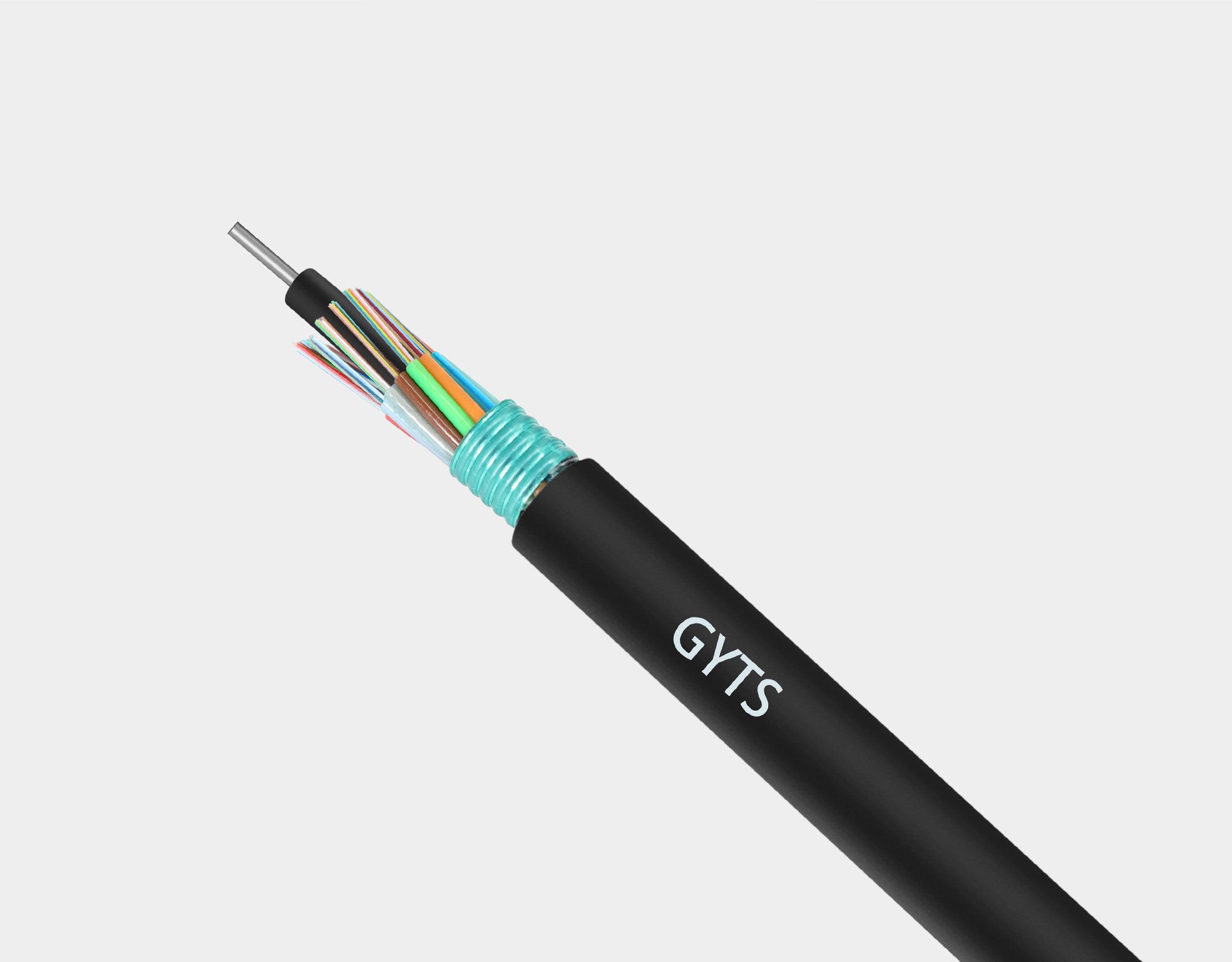
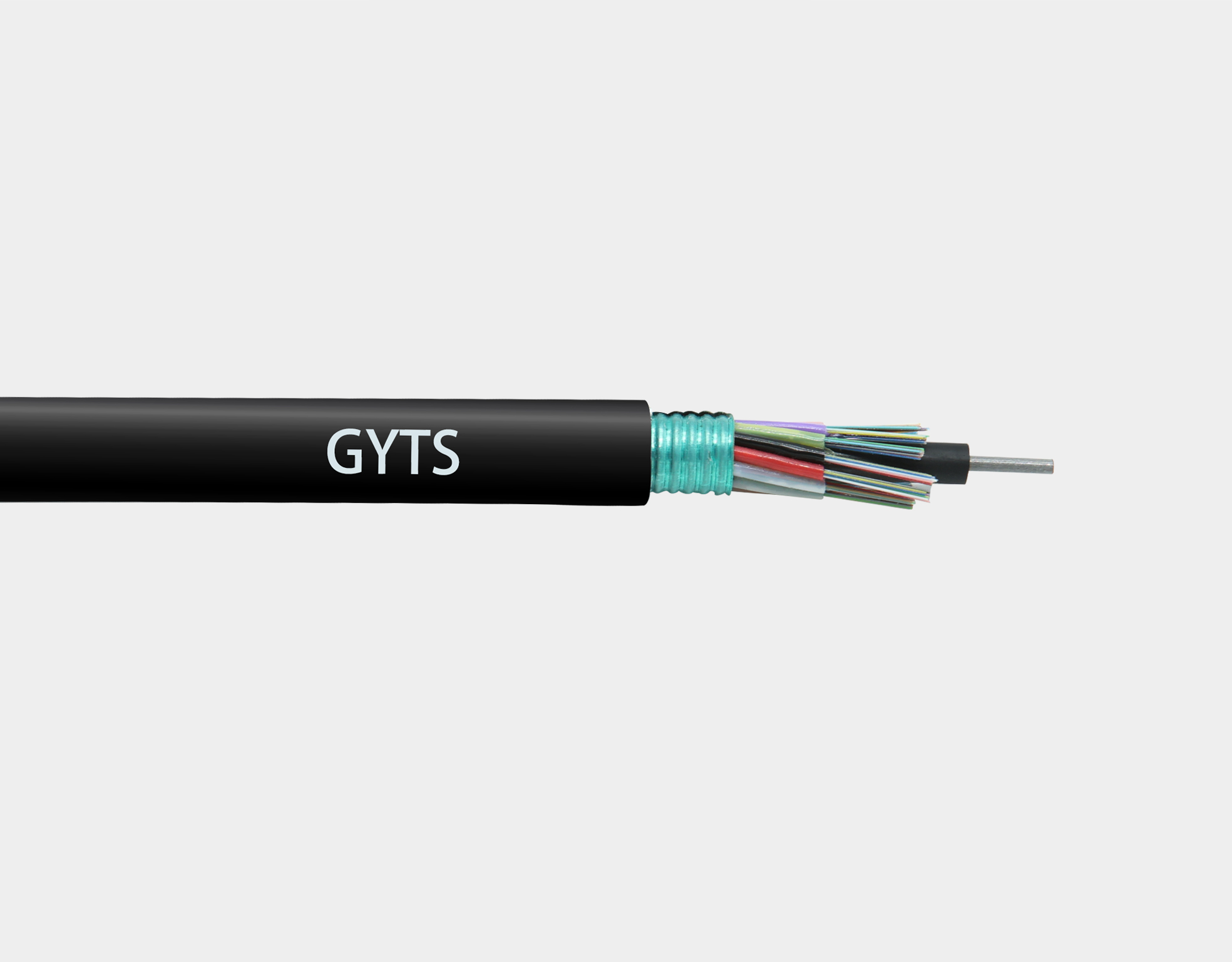
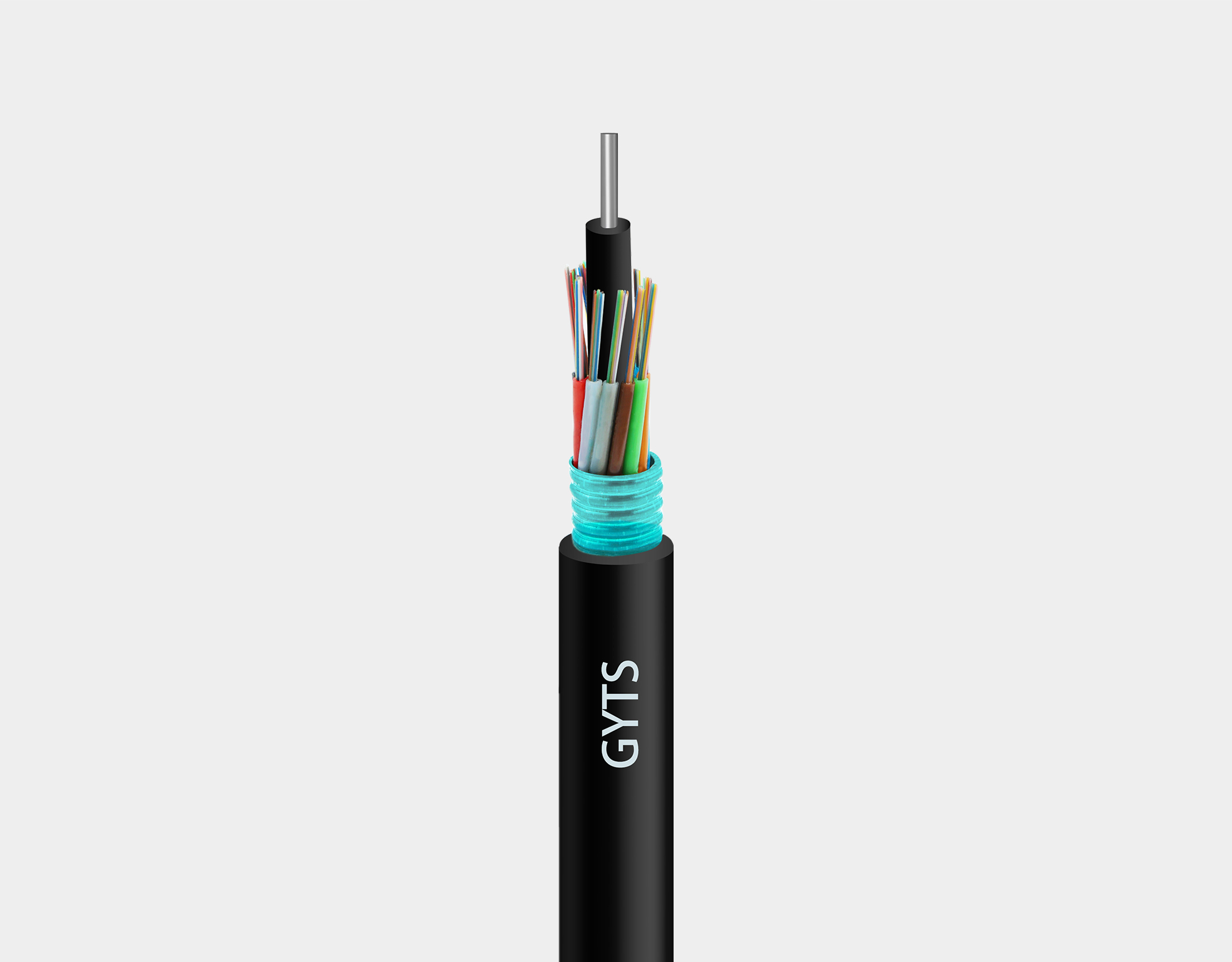
GYTS Fiber Optic Cable
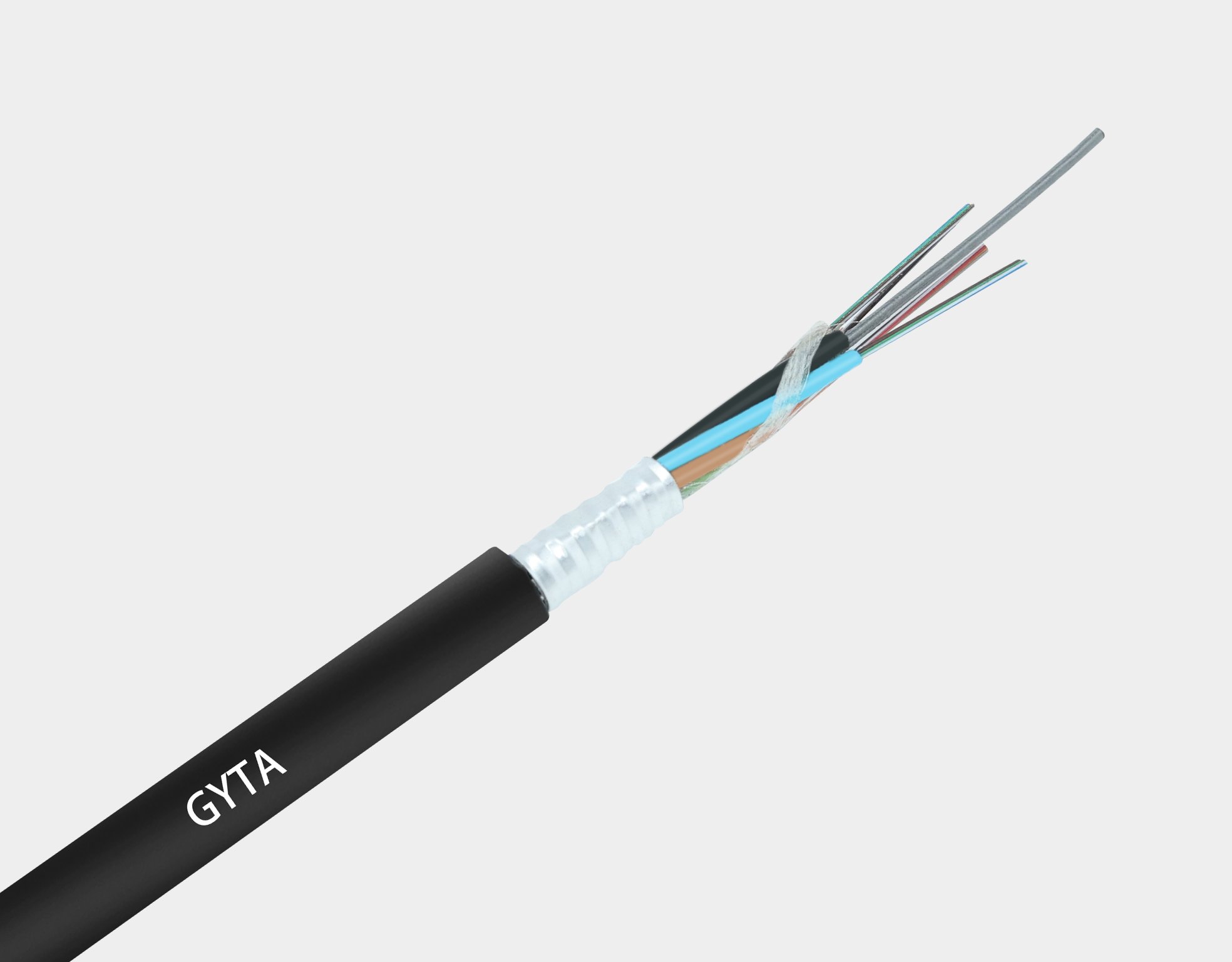
- Superior crush resistance compared with GYTA aluminum tape cable
- Multi-layer water-blocking system: tube gel + core filling + steel tape barrier
- Precisely controlled fiber excess length, stable tensile & temperature performance
- Good flexibility, easy pulling during installation
- PE sheath anti-ultraviolet, suitable for outdoor long-term service
- PE sheath anti-ultraviolet, suitable for outdoor long-term service
- Economical universal outdoor armored fiber cable
GYTS Fiber Optic Cable
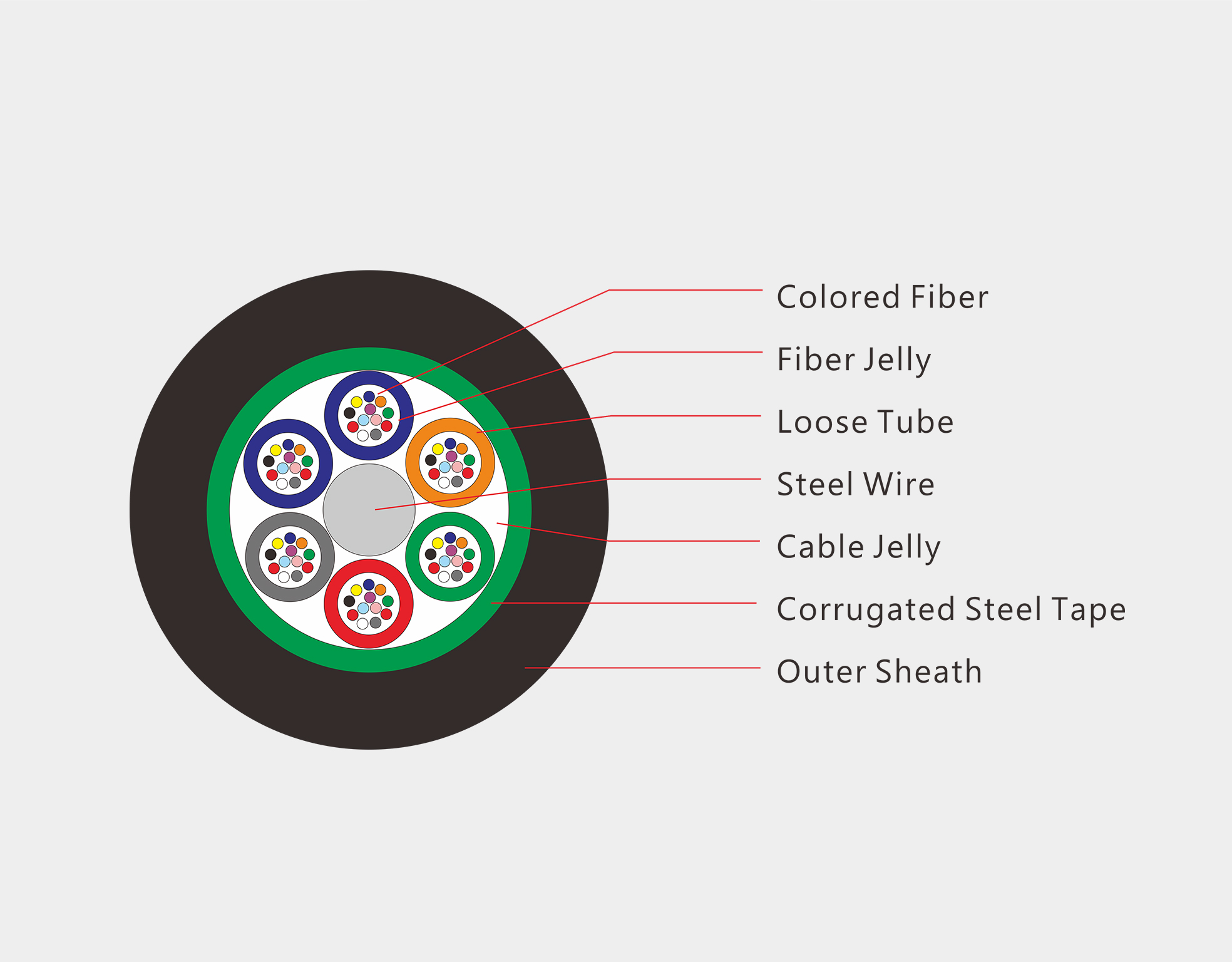
GYTS fiber optic cable is loose tube layer stranded steel tape armored outdoor optical cable. Equipped with PSP corrugated steel tape for excellent anti-crush and moisture-proof capacity. Available from 2 cores to 288 cores with G.652D, G.657A2 single mode fiber. Widely used for aerial, duct and light direct burial projects, telecommunication backbone and 5G site connections.
YUNDA: Meeting Your Network Needs!

Lasting Worth
Create an optical infrastructure that uses longlasting components for construction. The sheath utilizes high-density polyethylene material for powerful protective security measures. Its armor shields against impacts, and environmental aggressions. The product comes with a powerful construction that guarantees extended operational periods. Its protective core defends against rodent attacks so it enhances installation safety. Your signal will retain its reliability for a 30-year operational lifespan. You can save replacement costs due to the product’s 0.15mm armored protection.
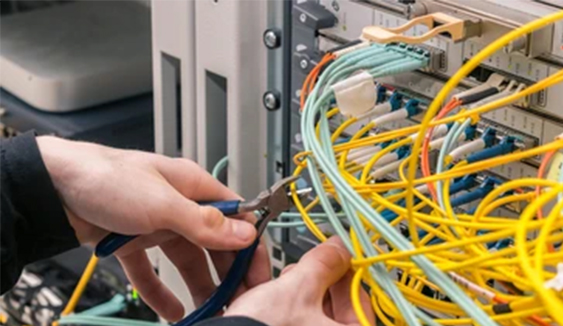
Simple Setup
Install your duct cable easily, using the right procedure. Pull the duct cable smoothly, avoiding undue stretching. The 1.6 mm steel wire, central element, imparts high strength. Respect a straight trajectory, during fixing, minimizing curvatures. Facilitate handling due to outer diameter construction. Apply appropriate pulling force for the different configurations. Subsequently, securing connections using appropriate fusion splice protectors. For quick fixing use 5mm width cable ties.
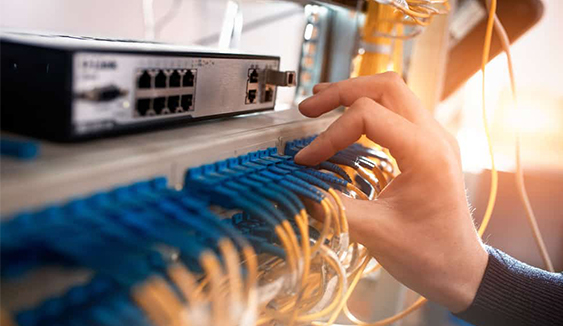
Connector Types
Utilize different connection standards according to the needs. Achieve coupling with minimal insertion loss with SC/APC terminations. Secure links with push-pull locking mechanism employing LC connectors. Opt for robust joining using FC fittings, ensuring precise alignment. Prefer ST bayonet style terminations to minimize back-reflection in delicate applications. While, working up to 1.0 dB insertion loss. Moreover, improving performance, using 0.2um ferrule polishing.
GYTS Fiber Optic Cable Specifications
| Feature | 2-12 Core | 24-48 Core | 72-96 Core | 144-216 Core | 288 Core |
| Fiber Type | G.657.A1 | G.652.D | G.657.A2 | G.652.D | G.655 |
| Central Strength | 1.2mm Steel | 1.6mm FRP | 1.8mm Steel | 2.0mm FRP | 2.4mm Steel |
| Crush (N/100mm²) | 1000 N | 1500 N | 2200 N | 3000 N | 4000 N |
| Sheath Material | MDPE Black | HDPE Black | HDPE UV | LSZH Black | LSZH UV |
| Tube Material | PBT 2.0mm | PBT 2.2mm | PBT 2.5mm | PBT 2.8mm | PBT 3.0mm |
| Outer Diameter(mm) | 8.5 mm | 9.8 mm | 10.5 mm | 12.8 mm | 15.5 mm |
| Weight (kg/km) | 85 kg | 110 kg | 135 kg | 180 kg | 240 kg |
Keeping Your GYTS in Top Shape!
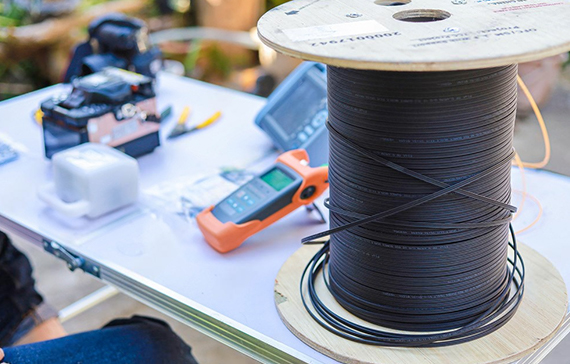
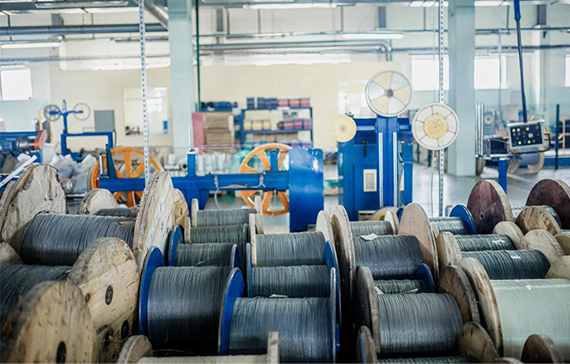
Regular Checks
Perform routine evaluations of your optical fiber setup. Inspect the 1.6mm central strength member for rigidity. Assess 0.15±0.015 mm steel tape for damage or corrosion. Check the cable’s outer 1.8 ±0.20mm PE jacket condition. Confirm that the bending during installation respects the 20D minimum radius.
Verify the 12 colored fibers’ state. Ensure the 242±7 um fiber coating is intact, and preserve long-term pulling force below 600N.
Keeping Clean
Maintain cleanliness for optimal functioning of the stranded loose tube cable. Ensure the gel, filling the 2.5±0.1 um PBT loose tubes, remains free of dirt. Prevent accumulation on the external 10.5 ±0.20mm diameter. Regularly wipe the surface, avoiding harsh 50-grit cleaning agents.
Clean any exposed 125.0±0.1 um cladding diameter. Because, without careful cleaning, affecting the 0.4 ±0.015 corrugated steel. maintain 1000 N/100mm² crush resistance, for optimal functionality.
Cable Order
Organize optical fiber cables to avoid operational issues. Verify the correct alignment of blue, orange, and up to violet, fibers. Secure the cable, preventing exceeding the 1500N short-term tension limit.
Facilitate tracing using labeling along the sheath. Observe any kinks affecting the fibers within the 0.3±0.05mm thick tubes. Use supports distanced at 0.8m intervals. enable consistent identification, using sequential meter marking. Thus, simplifying by maintaining chromatic order.
Environment Limits
Consider operating temperatures affecting your optical cable. Respect operational values between -40°C and +70°C. Note that direct exposure to ultraviolet radiation shortens its lifespan.
Ensure water does not penetrate affecting its internal jelly. Protect the armor of the 2-12 core from prolonged submersion. Avoid installing in places with constant 95% humidity levels. By confirming stable climatic condition, the 10D static bend radius. Therefore, increasing durability.
Related Products
Share GYTS Fiber Optic Cable to Your Social Media
Ultimate FAQ Guide to Fiber Optic Cable
What types of fiber optic cables do you manufacture?
Our factory produces a wide range of fiber optic cables for different applications:
Outdoor Fiber Optic Cable
- ADSS Fiber Optic Cable
- OPGW Fiber Optic Cable
- GYTA Fiber Optic Cable
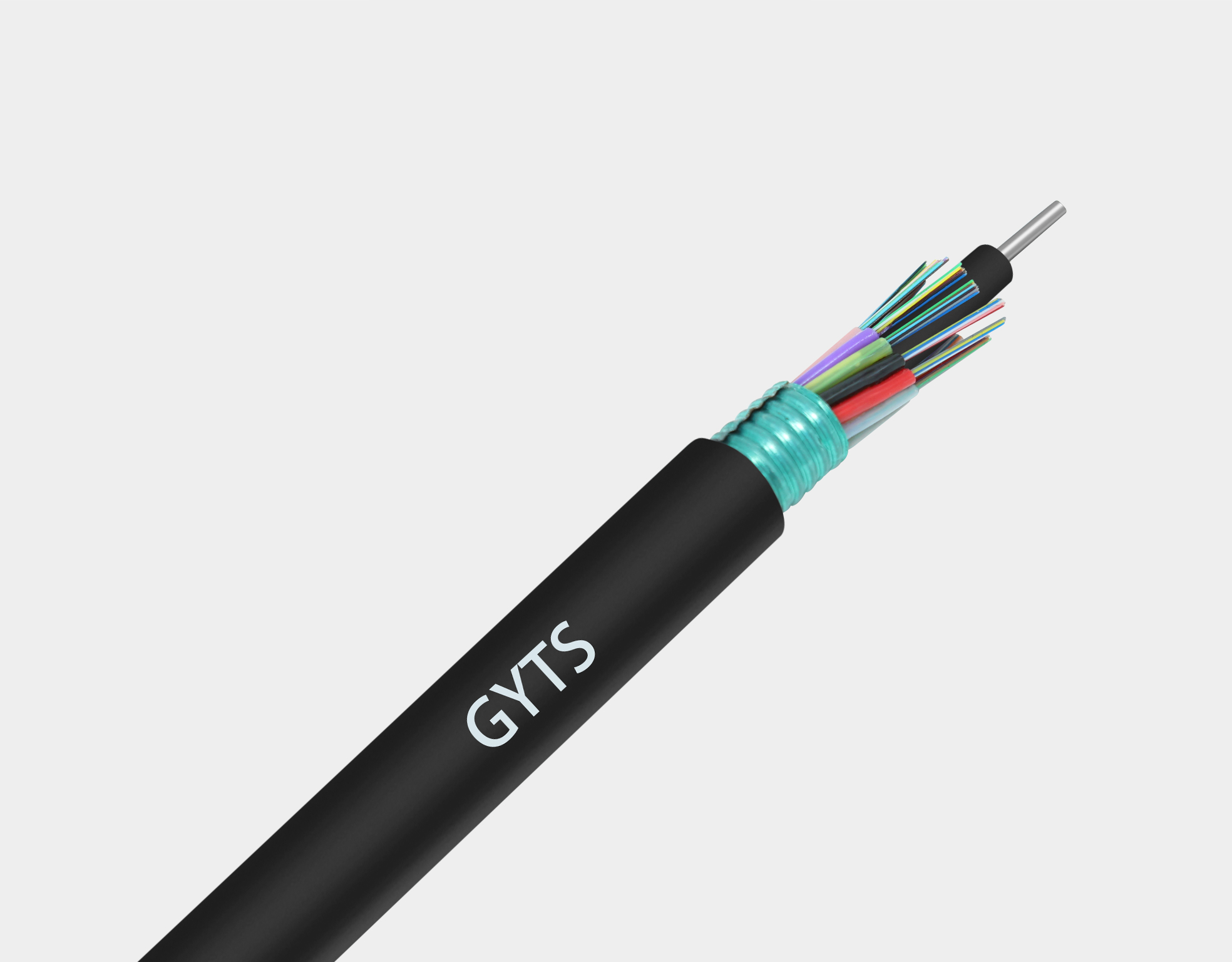
- GYTS Fiber Optic Cable
- GYXTW Fiber Optic Cable
- Armored Fiber Optic Cable
- Direct Burial Fiber Cable
- Duct Fiber Optic Cable
- Aerial Fiber Optic Cable
FTTH Fiber Optic Cable
- FTTH Drop Cable
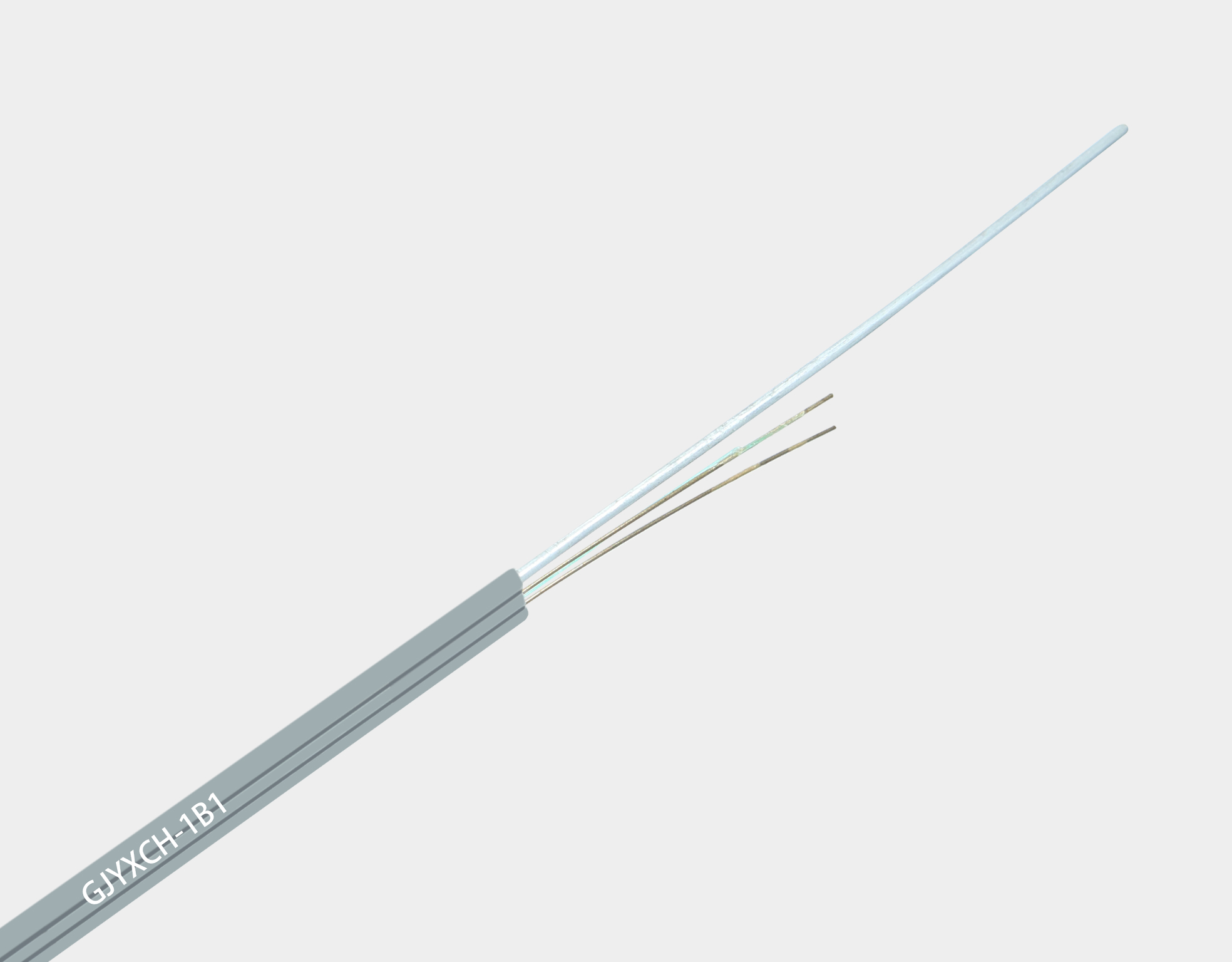
- GJYXCH
- GJYXFCH
- Indoor Fiber Cable
Special Fiber Optic Cable
- Submarine Fiber Optic Cable
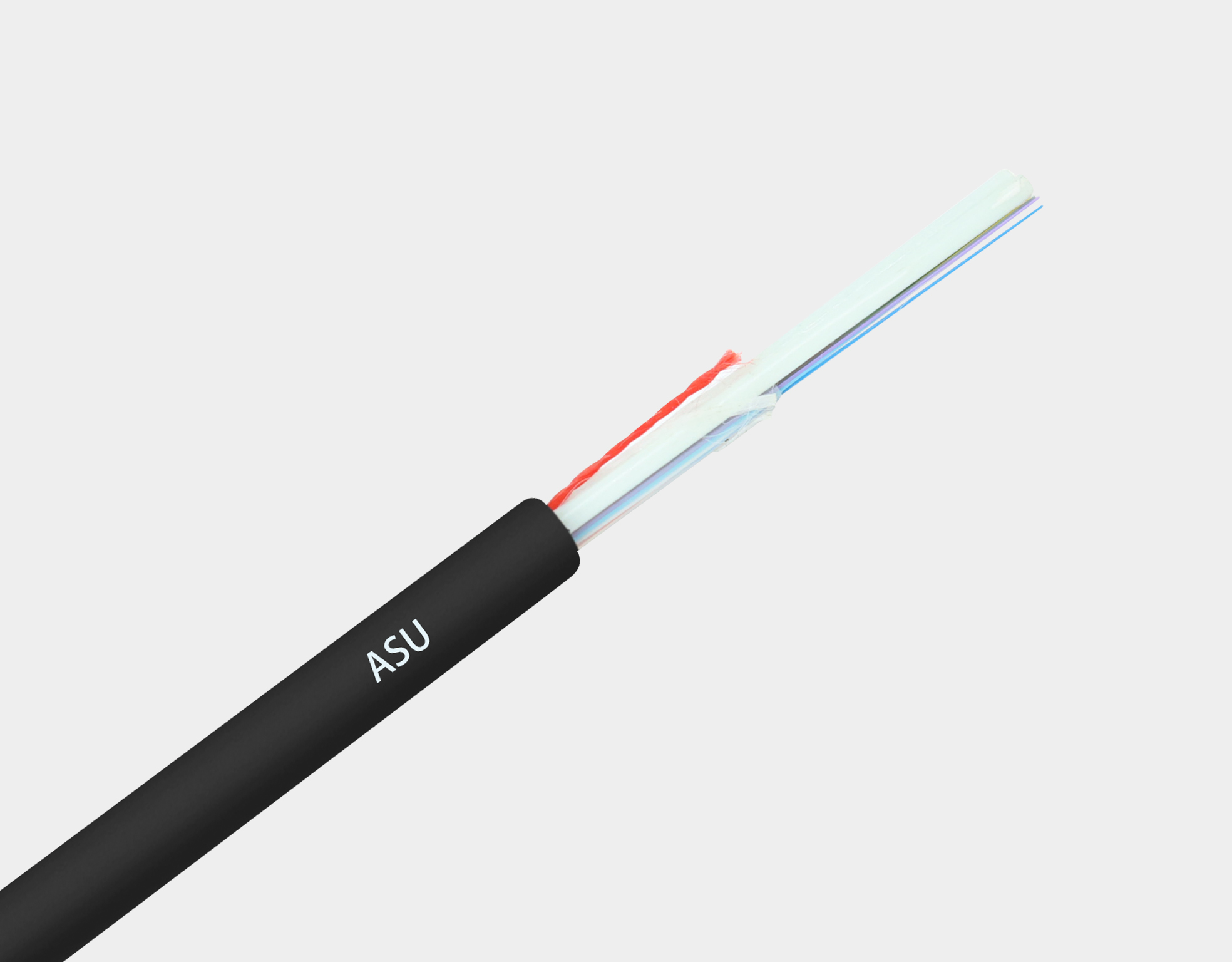
- ASU Fiber Optic Cable
- Hybrid Fiber Cable
- Air Blown Fiber Cable
We can provide fiber optic cable solutions for telecom operators, ISPs, contractors, distributors, and government projects.
Where is your fiber optic cable factory located?
Our fiber optic cable manufacturing facility is located in China, with modern production lines and complete testing equipment.
The factory includes:
- Fiber drawing and coloring equipment
- Cable extrusion production lines
- SZ stranding machines
- Armoring production lines
- Optical performance testing equipment
- Mechanical performance testing equipment
We have the ability to produce large-volume orders while maintaining consistent quality.
What is your monthly production capacity?
Our factory has strong production capacity to support both small and large projects.
Typical production capacity:
- ADSS Cable: thousands of kilometers per month
- GYTA/GYTS Cable: large-scale continuous production
- FTTH Drop Cable: high-speed mass production
For large projects, we can arrange dedicated production schedules to ensure stable delivery.
Can you provide customized fiber optic cables?
Yes. We provide OEM and ODM customization services according to customer requirements.
Customization options include:
- Fiber count (2 cores, 4 cores, 12 cores, 24 cores, 48 cores, 96 cores, 144 cores, etc.)
- Fiber type (G652D, G657A1, G657A2, OM1, OM2, OM3, OM4)
- Cable structure
- Jacket material
- Cable color
- Printing information
- Reel size
- Packaging requirements
Our engineering team can recommend the most suitable cable design based on your installation environment.
What fiber types do you use?
We mainly use high-quality optical fibers from reliable suppliers.
Available fiber types:
Single Mode Fiber
- G652D
- G657A1
- G657A2
Multimode Fiber
- OM1
- OM2
- OM3
- OM4
G652D is commonly used for backbone networks, while G657A1/A2 is widely used for FTTH applications because of its excellent bending performance.
What standards do your fiber optic cables meet?
Our fiber optic cables comply with international standards, including:
- IEC standards
- ITU-T recommendations
- RoHS requirements
- ISO quality management standards
Different cable types can meet specific requirements such as:
- IEC 60794 Fiber Optic Cable Standard
- ITU-T G.652/G.657 Fiber Standard
- ASTM and customer-specific requirements
How do you guarantee fiber optic cable quality?
Quality control is one of our factory priorities.
Each production stage is strictly inspected:
Raw Material Inspection
- Optical fiber quality
- Strength member
- Jelly compound
- HDPE jacket material
Production Testing
- Fiber attenuation testing
- Tensile strength testing
- Crush resistance testing
- Temperature cycling testing
Final Inspection
- Optical performance test
- Appearance inspection
- Length verification
- Packaging inspection
Every cable shipment is tested before delivery.
What testing equipment do you have?
Our factory uses professional testing equipment, including:
- OTDR testing equipment
- Tensile testing machines
- Crush resistance testers
- Environmental testing chambers
- Fiber attenuation testers
- Diameter measurement equipment
These tests ensure cable reliability during installation and long-term operation.
What is the minimum order quantity (MOQ)?
MOQ depends on the cable type and specifications.
Typical MOQ:
- Standard fiber optic cable: flexible MOQ
- Customized cable: depends on production requirements
- Large projects: negotiated according to project volume
Please contact our sales team for a customized quotation.