
Category
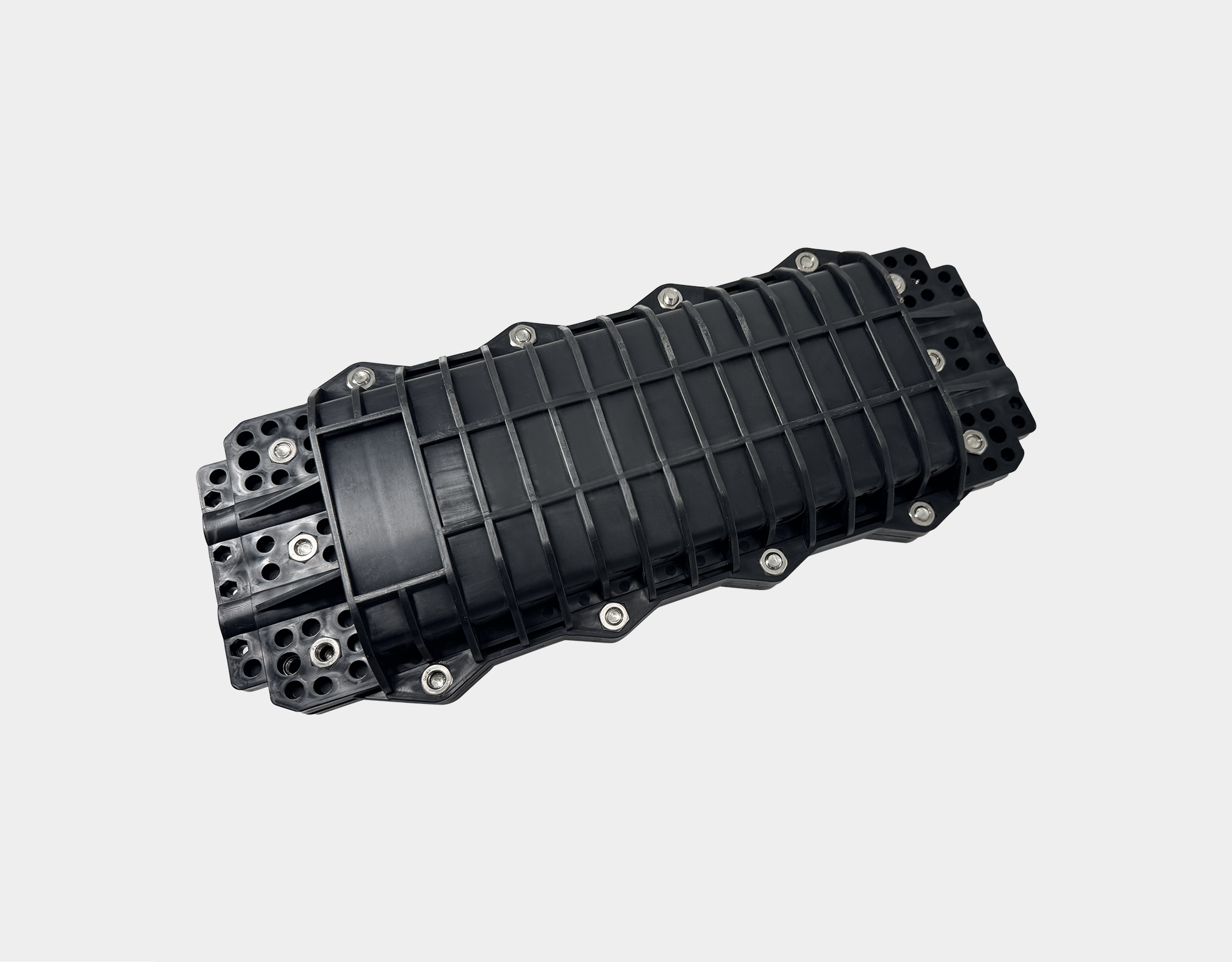
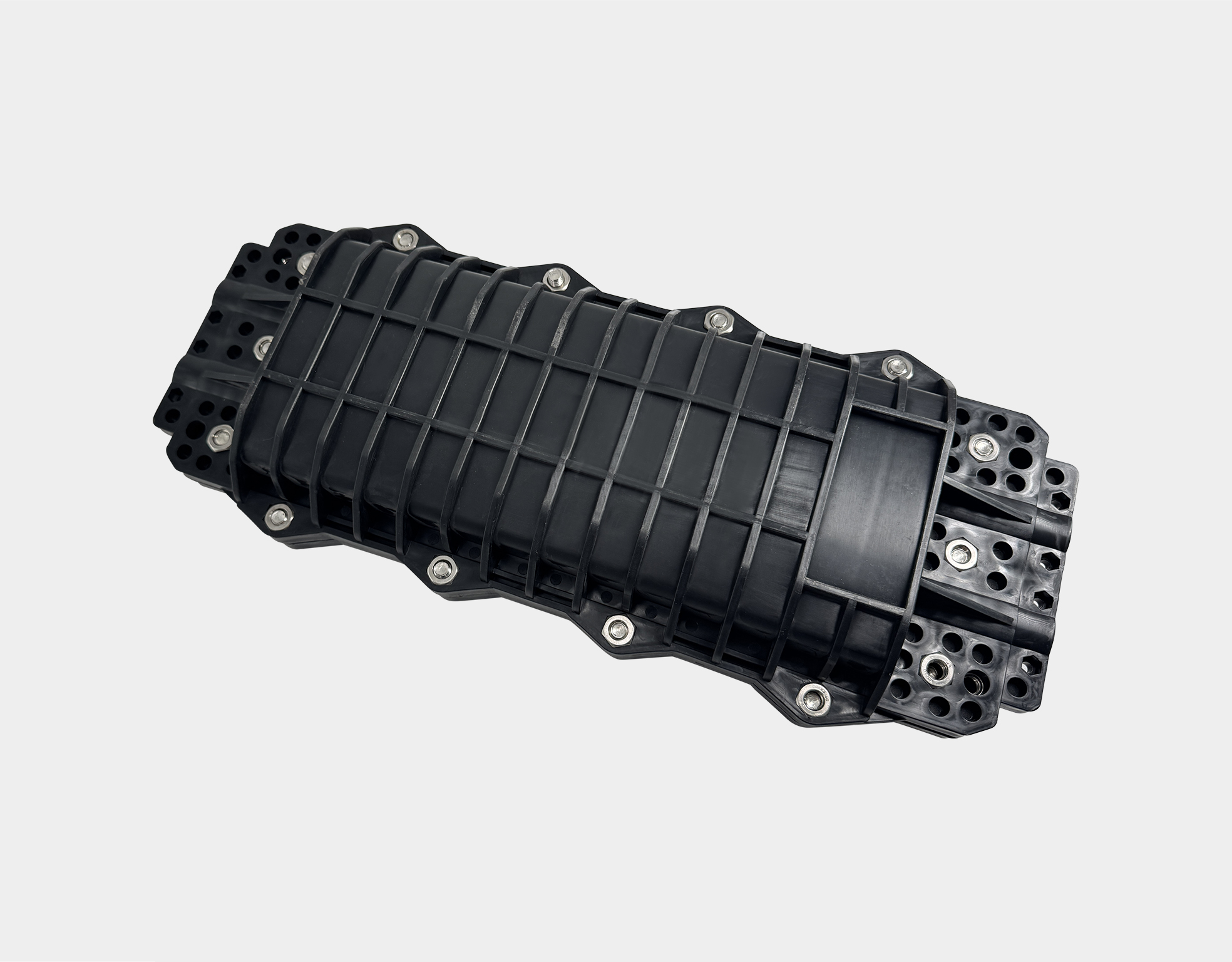
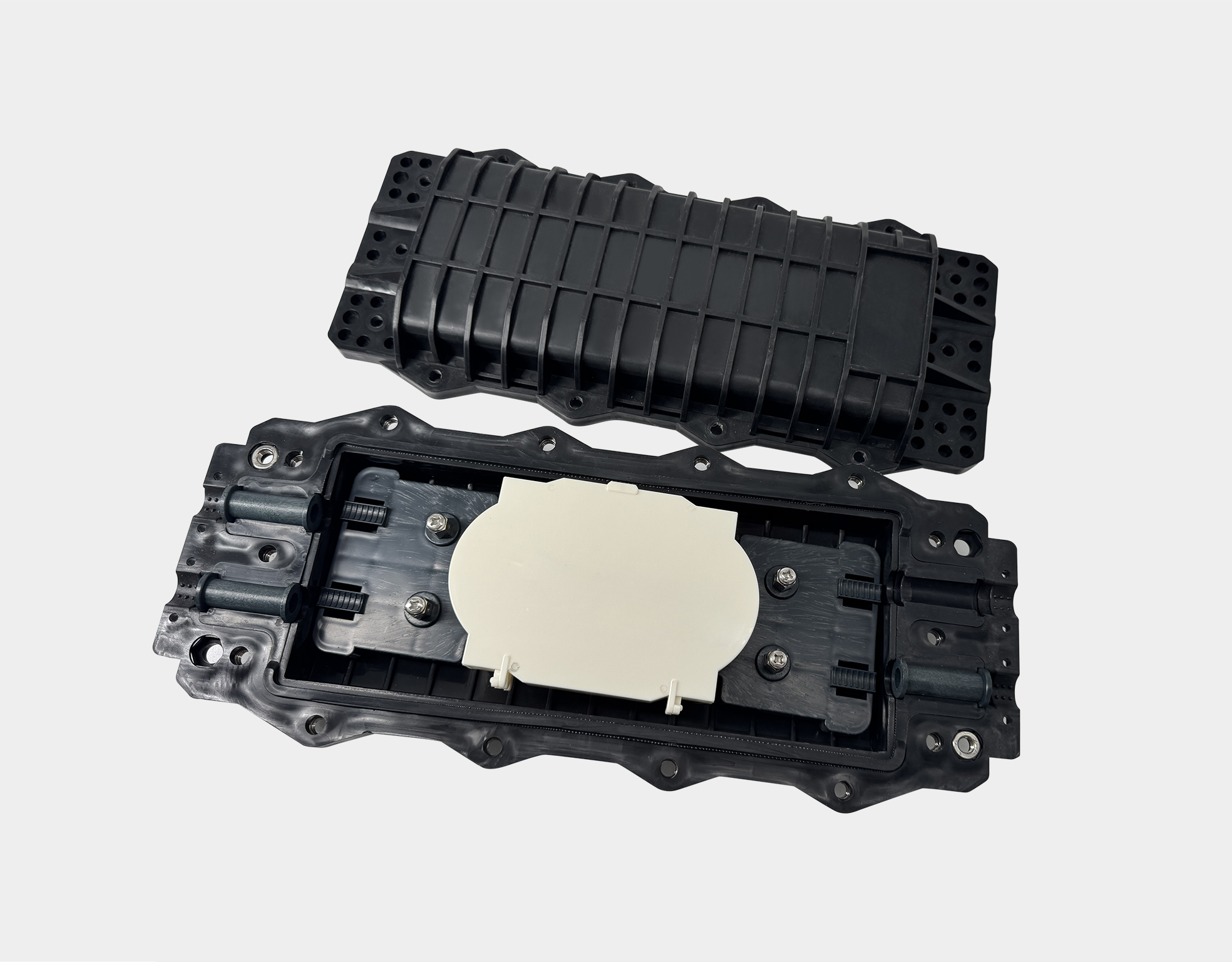
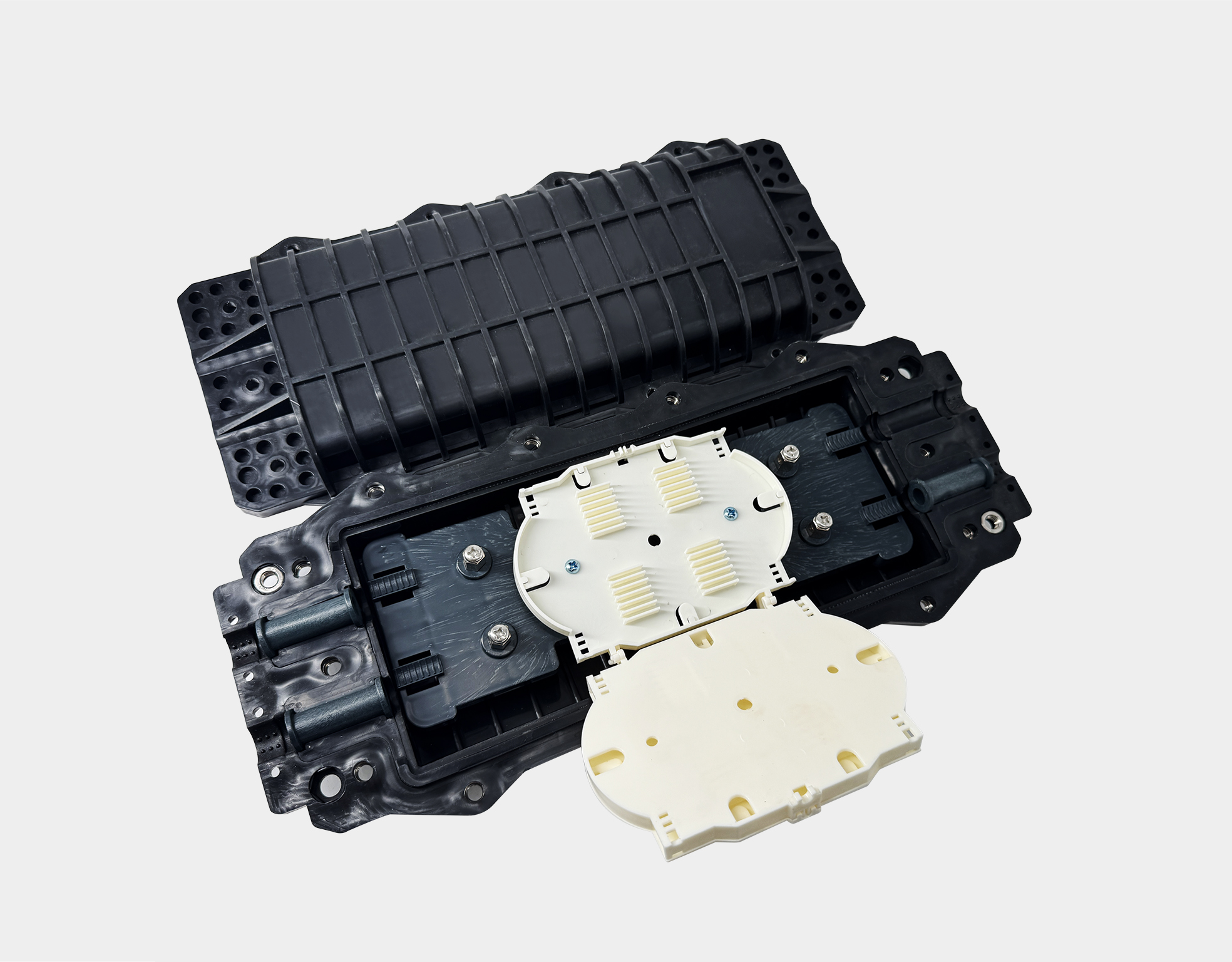
Fiber Optic Splice Closure
- Fiber optic splice closure protects links. It’s a strong box for wires. This closure has a two-part base. Plus, it includes six entry ports. Closures keep water out well. They have an IP68 rating, ensuring safety. Mounting on poles is easy. Also, wall placement is simple.
What is a Fiber Optic Splice Closure?
A fiber optic splice closure is vital. It’s a shell for joining the fiber. Think of a vault for cables. This device has 48 adapters. Protecting with heat-shrink is key. The closure holds two splice trays.
Supporting various cables is possible. Shielding from all dust occurs. Applying mechanical splices is easy. Also, fusion splices work within. Durable polycarbonate forms. The closure is built for air. Protecting from sun rays. Storing extra slack cable. This closure supports ribbon cables.
Therefore, grommets seal input areas. Diameter reaches up to 16 mm. Humidity ranges up to 95%. Because of design, splice loss is low.
Key Benefits of Fiber Optic Splice Closures
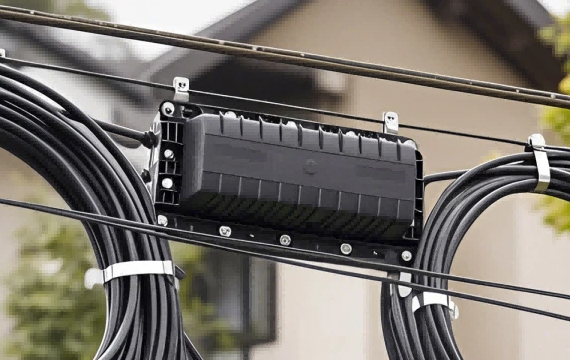
Environmental Protection
The enclosure shields delicate optical fibers. Its IP68 rating gives full dust safety. Submersion protection goes to 1.5 meters deep. The increasingly popular, 3m fiber optic splice closure provides great sun protection. The special material resists sun exposure. So, operating range is -40°C to +80°C.
The 24 ports have tight seals. Fiber optic splice closures keep things safe. Gaskets create an airtight space inside. Preventing condensation is key for these. The closure’s hermetic seal works perfectly.

Mechanical Strength and Durability
The shell of ABS is very strong. It can resist 500N of force. Internal brackets offer more support. Also, a steel lock adds much security. Hinges withstand many openings. This design also damps any shaking.
Walls are 10mm thick for safety. Clamps secure cables to prevent bends. Therefore, fiber optic splice closures prevent impacts. The design offers a long-lasting answer.
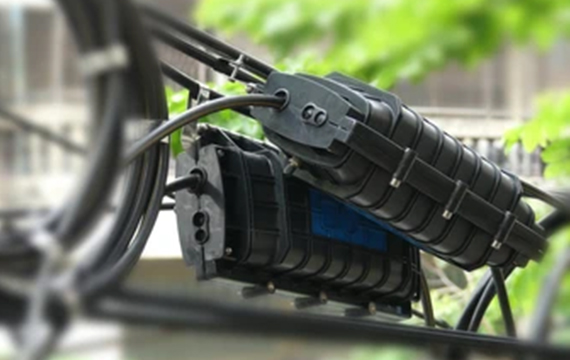
Versatile Deployment Options
Mount fiber optic splice closures in the air. Or, place them below the ground. You can also fix them to walls. A kit gives 12 steel bolts. Holes make mounting very easy. The small size fits tight places.
So, it supports cable sizes of 8mm-25mm. It allows access or branch setups. This is providing you needed flexibility. The closure holds 96 fiber links.
Fiber Optic Splice Closure Specifications
| Specification | FOSC-H96A | FOSC-DOME96B | FOSC-INLINE144C | FOSC-AERIAL48D | FOSC-UG288E | FOSC-WALL24F |
| Fiber Count | 96 cores | 96 cores | 144 cores | 48 cores | 288 cores | 24 cores |
| Entry/Exit | 4 ports, circular | 5 Ports, mixed | 6 Ways, circular | 2 ports, round | 8 entries, round | 2 ports, oval |
| Closure Seal | Thermoplastic | Gel Integrated | Rubber Compression | Grommet Seal | Heat Shrink | Latch System |
| Shell Material | Impact PP | UV PC | Modified ABS | Fiber Reinforced PP | High-Density PC | Rugged ABS |
| Protection Level | IP68 Certified | IP68 Compliant | IP68 Rated | IP67 Standard | IP68 Submersible | IP65 Enclosure |
| Installation | Pole, Wall Mount | Vault, Pedestal | Pole, Strand | Strand Mount | Duct, Direct Bury | Wall, Surface |
| Tray Quantity | Max. 4 | Up to 8 | Max. 6 | Holds 2 | Up to 12 | 1 included |
Simplified Fiber Management
Four trays organize up to 96 fibers. Also, each tray can hold 24 protectors. Guides help with fiber ID too. Fiber optic splice closures include slack storage. Limiters prevent bends over 30mm.
Entry ports use a cold-shrink style. Clear labels help with all records. The neat appearance comes from using tie-off points. Installing is much faster now.
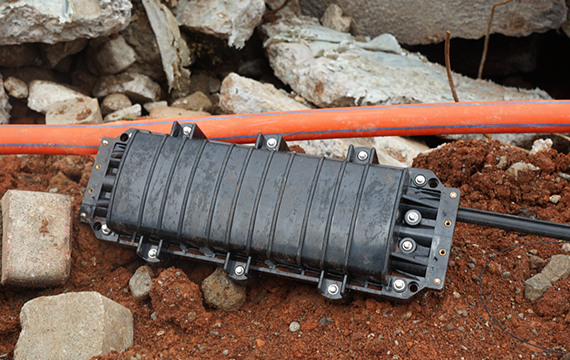
Choosing the Right Closure
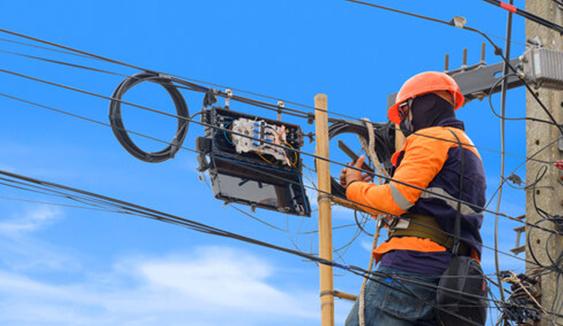
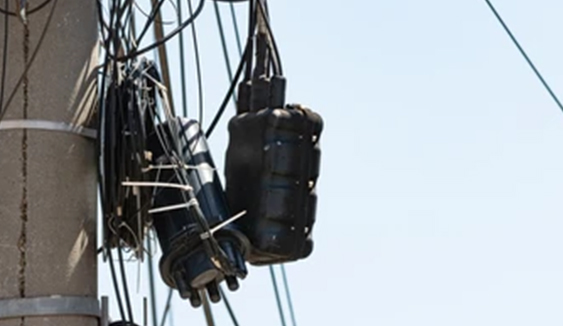
Choosing a closure needs careful thought. You must assess fiber capacity needed. Consider how many entry ports you want. Check the IP rating, use IP68. Select fusion or mechanical trays. Check that the components operate within their proper temperature range. The materials used for closures should be polycarbonate or ABS. Proper protection is provided by a durable, fiber optic splice closure. Verify correct fiber type compatibility needed.
Think about where to mount it. Evaluate sealing, heat shrink or perhaps mechanical. Assess cable size fit, 8 to 18mm. Review loop space, like 2 meters. Check size: 400mm x 180mm x 100mm.
Consider weight, for example, 2.5 kg. Follow standards like Telcordia GR-771 here. A lock offers extra security now. Check for splice protection sleeves also. Bend radius is critical, use 30mm. A 2-year deal is great.
Share Fiber Optic Splice Closures to Your Social Media
Ultimate FAQ Guide to Fiber Optic Splice Closures
What are the mainstream types of fiber optic splice closures?
Classified by Structural Shape
- Horizontal splice closure (inline type): Cables enter from both ends, mainly used for straight-through connection along fiber routes, aerial and duct pipelines.
- Dome splice closure (vertical / capsule type): Cables can access from multiple directions, support straight-through and branch connections, the most popular type for direct buried, pole-mounted FTTH backbone networks.
Classified by Installation Environment
- Outdoor waterproof splice closure (Standard mainstream type, IP65 / IP68 sealing grade)
- Indoor splice enclosure (rarely used, no strict waterproof requirements)
Classified by Fiber Capacity
Classified by Cable Access Mode
What materials are used for fiber splice closures?
- High-strength engineering plastic (PP+GF reinforced plastic): Most common commercial model, impact-resistant, anti-aging, lightweight, low cost, suitable for aerial, pipeline and general buried environment.
- Stainless steel / cold rolled steel closure: High mechanical strength, anti-extrusion, used for road crossing, heavy-load direct-buried and mining special scenarios.
- Imported LLDPE material: Excellent low-temperature resistance, suitable for high-latitude cold regions.
All qualified outdoor closures are added with anti-UV additives to prevent aging and cracking under long-term sunlight exposure.
What internal components does a complete splice closure contain?
- Fiber splice trays: Carrier for fiber fusion joints, place heat-shrinkable protection sleeves; stacked expandable design for most models.
- Cable fixing brackets / strain relief clamps: Fasten outer optical cables, transfer pulling force to cable sheath and avoid tension on bare optical fibers.
- Sealing rubber gasket / sealing tape: Core waterproof component of the enclosure shell.
- Cable entry sealing components: Rubber cable glands, heat shrink sealing tubes, cold-applied sealing accessories.
- Fiber routing slots: Store surplus fiber loops, ensure sufficient fiber bending radius.
- Grounding terminals: Used to connect the metal armor and strength member of optical cables for lightning induction protection.
- Mounting accessories: Hoops for pole installation, expansion bolts for wall mounting.
What IP waterproof ratings do splice closures support?
- IP65: Dust tight, resistant to low-pressure water jet; applicable for covered poles, pipeline well with little ponding.
- IP68: Fully dust-proof, long-term immersion under a certain water depth; the highest grade for direct buried, underwater pipeline, low-lying waterlogged manholes.
Important reminder: IP rating test results are based on standardized correct installation. Improper sealing construction will cause water ingress even for IP68 products.
Can splice closure realize both straight-through connection and branch connection?
- Yes. Dome-type splice closures support two wiring schemes simultaneously:
- Straight-through connection: Main optical cable passes through the closure, only realizing continuous transmission.
- Branch tapping: One incoming main cable, multiple outgoing branch cables for distributing fiber resources to different areas, widely used in rural FTTH and smart city networks.Inline horizontal closures are mostly designed for simple straight-through connection, with limited branch expansion capability.
Minimum bending radius requirement for optical fibers inside splice closure?
- Static placement (long-term storage inside closure): ≥30 mm
- Dynamic bending during construction: ≥40 mmAll surplus fibers must be neatly coiled inside the routing area. Sharp bending will cause huge additional optical loss or permanent fiber breakage.
Do splice closures need lightning protection and grounding?
Application scenarios of fiber optic splice closures
- Long-distance backbone optical fiber transmission network
- FTTH / FTTB access network (aerial & buried community trunk lines)
- Highway, railway monitoring optical cable engineering
- Underground pipeline communication network
- Rural remote optical communication projects
- Smart city, street lamp IoT, park monitoring system
- Oil field, mine outdoor communication wiring
- Island, coastal optical cable projects
How to select suitable fiber core capacity for splice closure?
- Suggestion: Reserve at least 30% spare capacity for future network expansion.
- Rural branch lines, small area tapping: 24 core / 48 core closure
- Community main trunk, urban access network: 72 core / 96 core / 144 core
- Large backbone transmission project: 288 core / 576 core large-capacity dome closure
It is not recommended to purchase a closure fully matched to the current used cores without spare trays.