
What Makes Underground Fiber Optic Cable Different?
Underground fiber optic cable is built tougher. It faces harsh conditions below ground. Think about moisture and pressure there. GYXTDW cable offers dual-layer armor protection. The AT jacket material adds extra defense. The cable is used for duct installations.You find greater crush resistance here. Cables may use gel filling compounds. This prevents water from damaging the 288 fibers. It might feature OS2 single-mode fiber. This allows for long distances. Consider a rodent-resistant design, therefore, is crucial. A GYTC8S has steel armor. Installation depths can vary, from 0.8m. Get up to 1.2m.
Underground Fiber Optic Cable
An Underground Fiber Optic Cable is a type of optical communication cable designed to be installed beneath the ground to provide high-speed, reliable, and long-distance data transmission. Unlike aerial fiber optic cables that are installed on poles, underground fiber cables are buried in trenches, ducts, or conduits to protect them from weather conditions, physical damage, and environmental factors.
Underground fiber optic cables are widely used in:
- Telecommunications networks
- FTTH (Fiber to the Home) deployments
- Data centers
- Internet backbone networks
- Railway and highway communication systems
- Utility networks
- Industrial communication systems
- Military and security communication infrastructure
With the rapid growth of cloud computing, 5G networks, AI data centers, and smart cities, underground fiber optic cable infrastructure has become one of the most important foundations of modern digital communication.
You need a strong connection. It must remain unseen, below the ground. The GYXTW cable is robust. It resists water perfectly. This cable works for direct burial. Underground fiber optic cable gives you speed. Consider the G652D fiber type.
It carries data fast. You get 1 to 288 cores. The jacket uses durable PE material. The cable’s length can be 1km. Or it extends to 2km, 4km, even 6km. The diameter is custom, so it fits. DEKAM offers various customizations. The HDPE jacket shields the fiber.
Single mode sends signals far. Choose OM3 for fast networks. We support different packaging that you need. The cable uses loose tube design. It will protect the core.
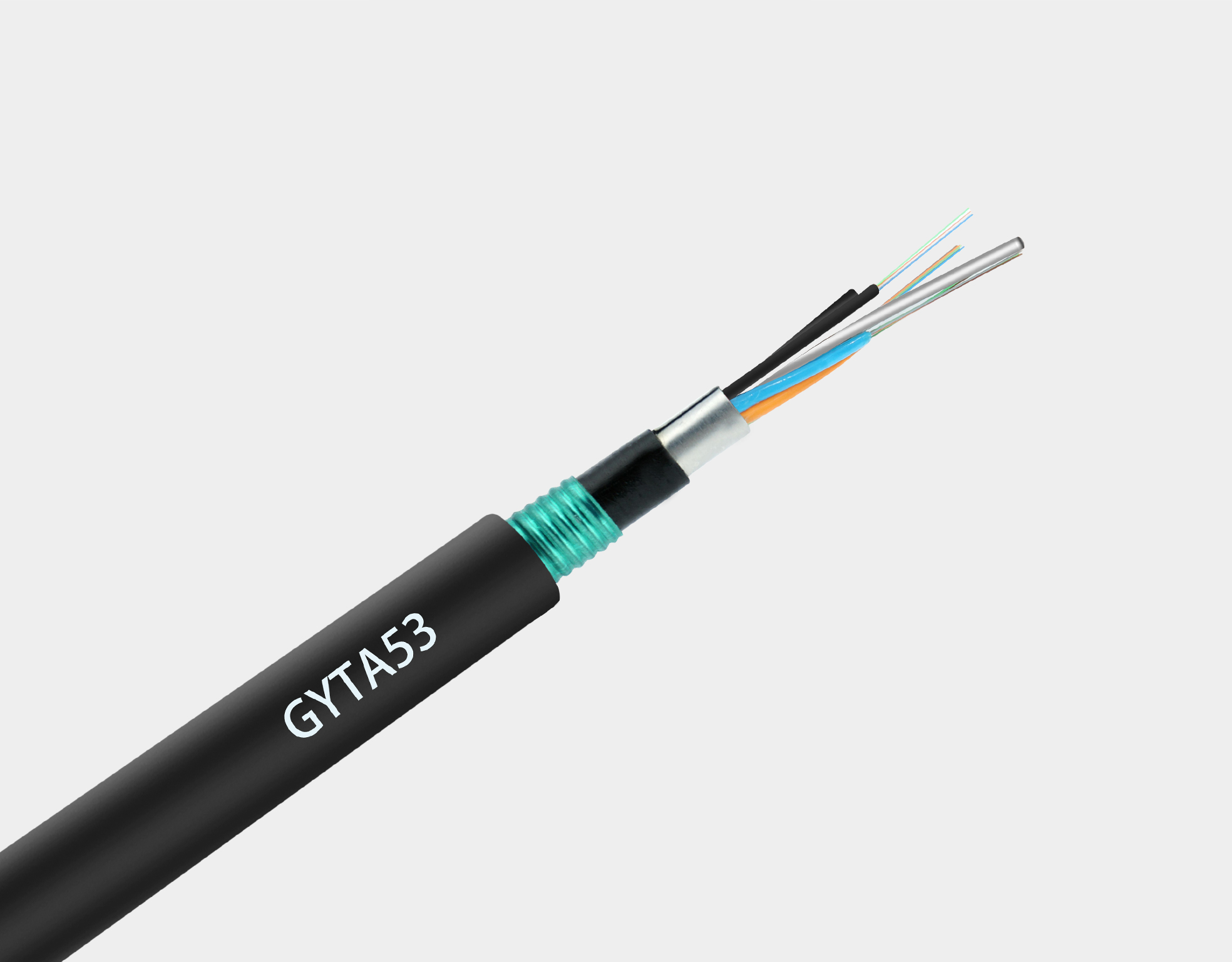
GYTA53 Fiber Optic Cable
Double protection structure: aluminum tape waterproof layer + steel tape mechanical armor
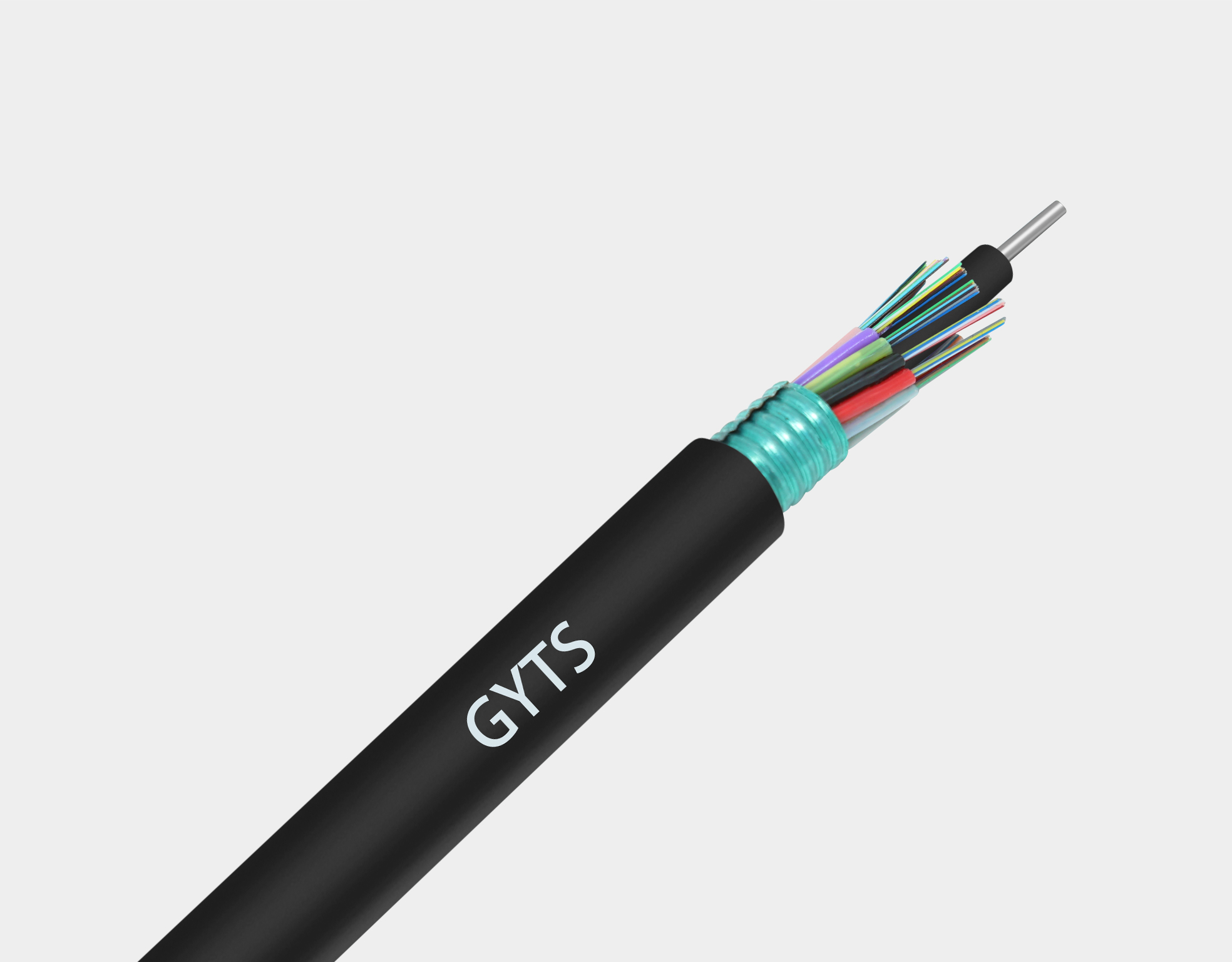
GYTS Fiber Optic Cable
Multi-layer water-blocking system: tube gel + core filling + steel tape barrier
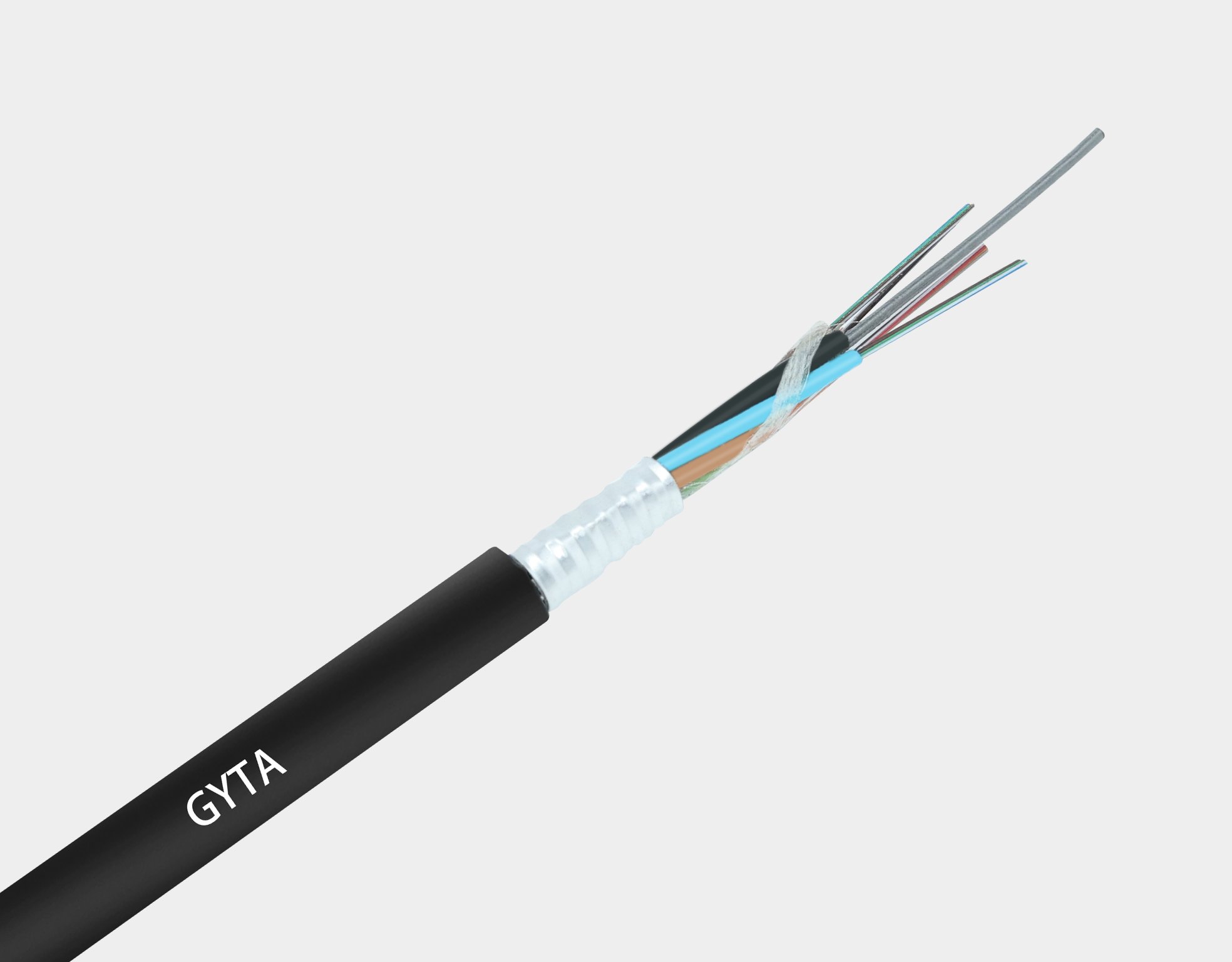
GYTA Fiber Optic Cable
Light weight compared with GYTS Excellent moisture barrier performance
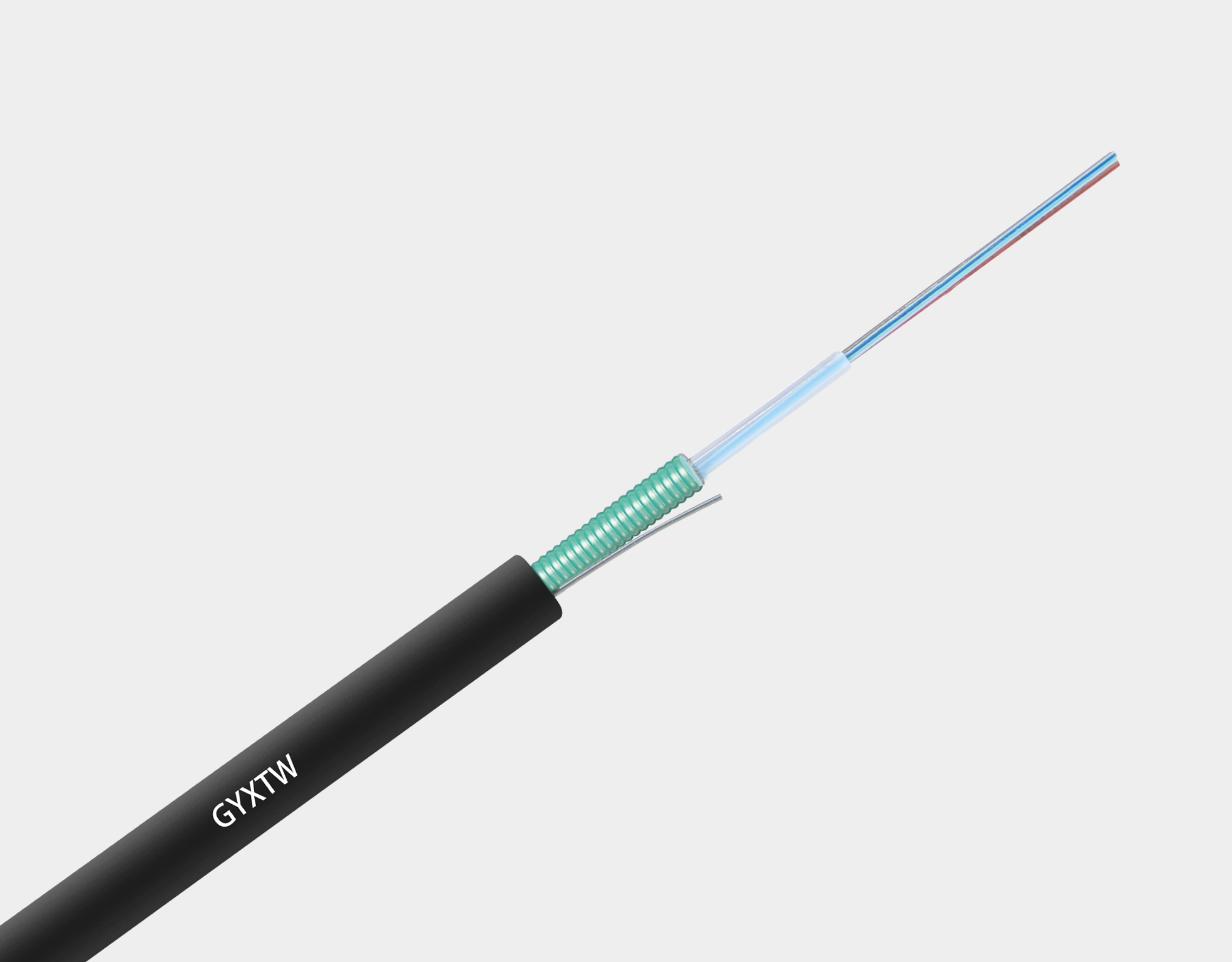
GYXTW Fiber Optic Cable
GYXTW fiber optic cable is constructed using high-quality materials for durability and performance.
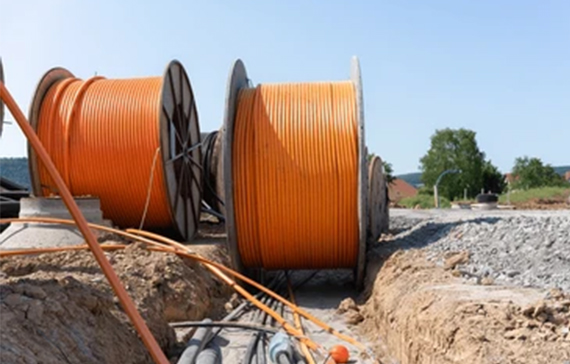
Outer Shell
The first defense is crucial for you. The jacket uses special materials. GYFTY cable offers a non-metallic build. Then, this resists electrical interference. It uses FRP (Fiber Reinforced Plastic). It endures harsh conditions. ASU cable provides robust performance. Consider the 50m, 100m, 150m, 200m span options. The outer layer uses LSZH (Low Smoke Zero Halogen). Underground fiber optic cable is safe.
Water Barrier
Moisture is the enemy so, protect your cable. Some cables use a water-blocking tape. The GYXTC8Y features a figure-8 design. Further, this adds aerial support. The G657A1 fiber bends easily. Also, G657A2 improves bend resistance. The filling compound is key. The 1km, 2km, lengths. Underground fiber optic cable needs this blocking feature. DEKAM provides quality.
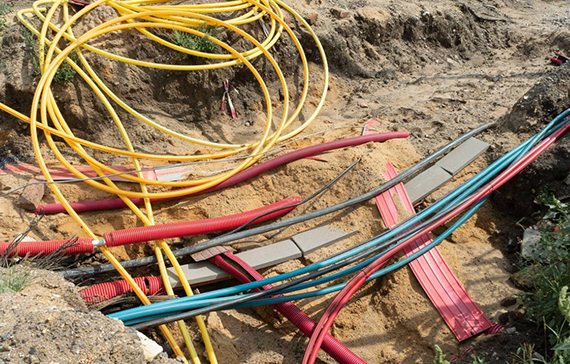
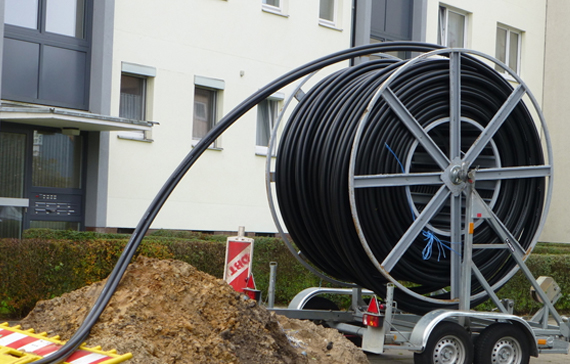
Strength Core
The center must hold and so must endure. A central strength member is present. GYTC8S cable has steel armor. Thus, offers great strength. Look for high tensile strength. Because, it helps during installation pulling. Cables feature OM4 multimode fiber. Also, OM2 is use. Also, it includes steel wire strength members. You could choose different core types.
Related Products
Share Underground Fiber Optic Cable to Your Social Media
Ultimate FAQ Guide to Underground Fiber Optic Cable
How long does underground fiber optic cable last?
A properly installed underground fiber optic cable can typically last 25–30 years or more.
The actual lifespan depends on:
- Cable construction quality
- Installation method
- Soil conditions
- Water protection performance
- Mechanical stress
- Maintenance practices
Armored underground fiber cables usually have a longer service life because they provide better protection against moisture, rodents, and external pressure.
How deep should underground fiber optic cable be buried?
The recommended burial depth depends on local regulations and environmental conditions.
Typical installation depths:
| Environment | Recommended Depth |
|---|---|
| Residential areas | 60–90 cm |
| Roads and highways | 90–120 cm |
| Industrial areas | 80–120 cm |
| Agricultural land | 100 cm or deeper |
Always follow local construction standards before installation.
Can fiber optic cable be buried directly underground?
Yes. Some fiber optic cables are specifically designed for direct burial installation.
Direct burial cables usually include:
- Steel tape armor
- Steel wire armor
- Waterproof layers
- PE outer sheath
Common direct burial fiber optic cables include:
- GYTA53
- GYTS53
- GYTA33
These cables do not require additional protective conduits in many applications.
What is the difference between underground fiber optic cable and aerial fiber optic cable?
| Feature | Underground Fiber Cable | Aerial Fiber Cable |
|---|---|---|
| Installation | Buried underground | Installed on poles |
| Protection | Higher | Lower |
| Weather resistance | Excellent | Moderate |
| Installation cost | Higher | Lower |
| Maintenance | Less frequent | More frequent |
| Visual impact | Invisible | Visible |
Underground fiber is preferred where reliability and long-term protection are important.
What types of fiber optic cable are used underground?
Common underground fiber optic cable types include:
Armored Fiber Optic Cable
Used for direct burial and harsh environments.
Examples:
- GYTA53
- GYTS53
Duct Fiber Optic Cable
Installed inside underground pipes.
Examples:
- GYTA
- GYTS
- GYXTW
Non-Metallic Fiber Cable
Used near power facilities where electrical isolation is required.
Why does underground fiber optic cable need armor?
Armor provides additional protection against:
- Rodent attacks
- Rock damage
- Crushing forces
- Construction activities
- Underground pressure
Steel tape armor and steel wire armor are the most common protection methods.
What fiber type is commonly used in underground fiber cables?
The most common fiber types are:
G.652.D Single Mode Fiber
Advantages:
- Low attenuation
- Long transmission distance
- Cost-effective
Used for:
- Backbone networks
- Metropolitan networks
- Long-distance communication
G.657.A1/A2 Fiber
Advantages:
- Excellent bending resistance
- Suitable for tight installation spaces
Used mainly for:
- FTTH networks
- Access networks
How many cores are available for underground fiber optic cable?
Underground fiber optic cables are available in many fiber counts, including:
- 4 cores
- 8 cores
- 12 cores
- 24 cores
- 48 cores
- 72 cores
- 96 cores
- 144 cores
- 288 cores
- Higher fiber counts for backbone networks
The correct fiber count depends on current network requirements and future expansion plans.
Is underground fiber optic cable waterproof?
Yes, high-quality underground fiber optic cables are designed with waterproof protection.
Common waterproof technologies include:
- Water-blocking tape
- Water-blocking yarn
- Filling gel
- Waterproof PE sheath
These prevent water penetration that can cause fiber attenuation and cable failure.