
Category
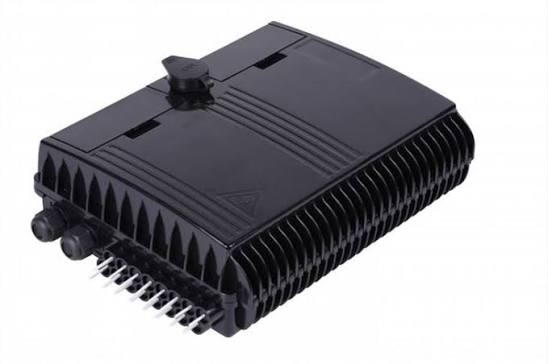
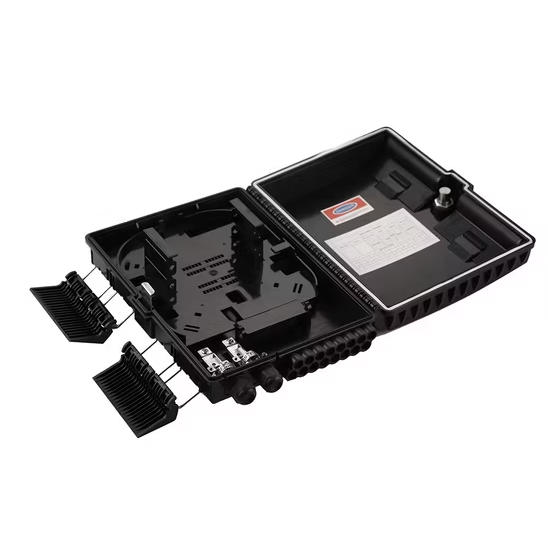
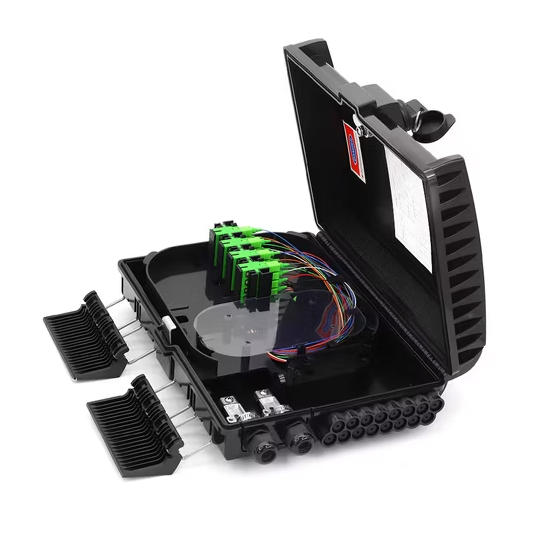
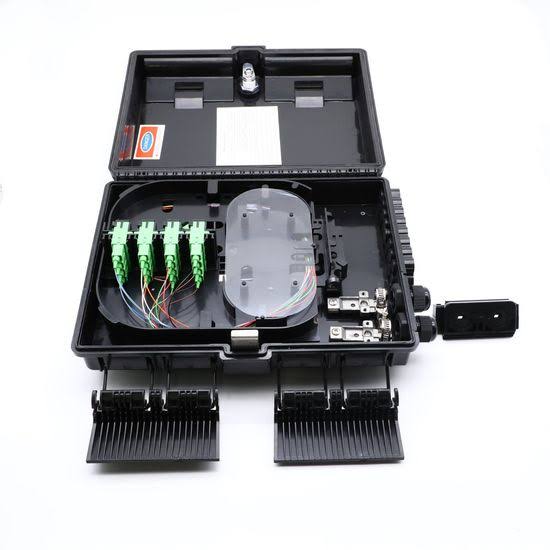
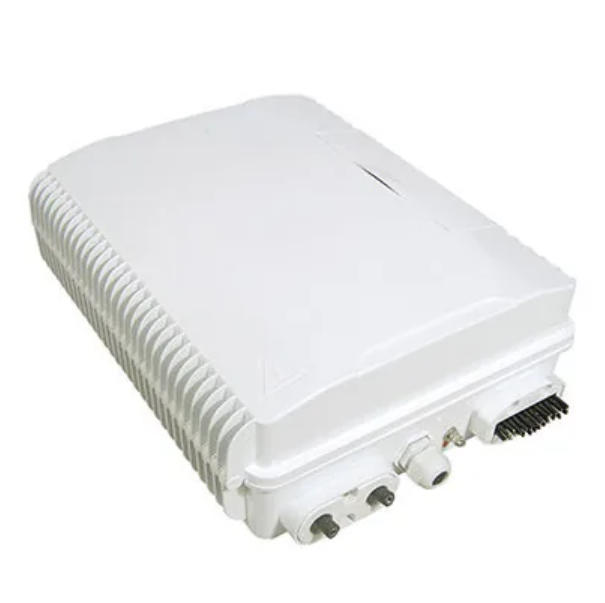
Fiber Termination Box
- FTTH fiber-to-the-home community network
- Indoor weak current rooms of office buildings, hospitals, schools, shopping malls and hotels
- Computer rooms and small data centers
- Urban security monitoring, traffic camera system, smart city projects
- Industrial parks, photovoltaic power stations, wind farms, mining monitoring
- Railway station, bridge and tunnel monitoring system
- Power communication, broadcasting CATV network
What is Fiber Termination Box?
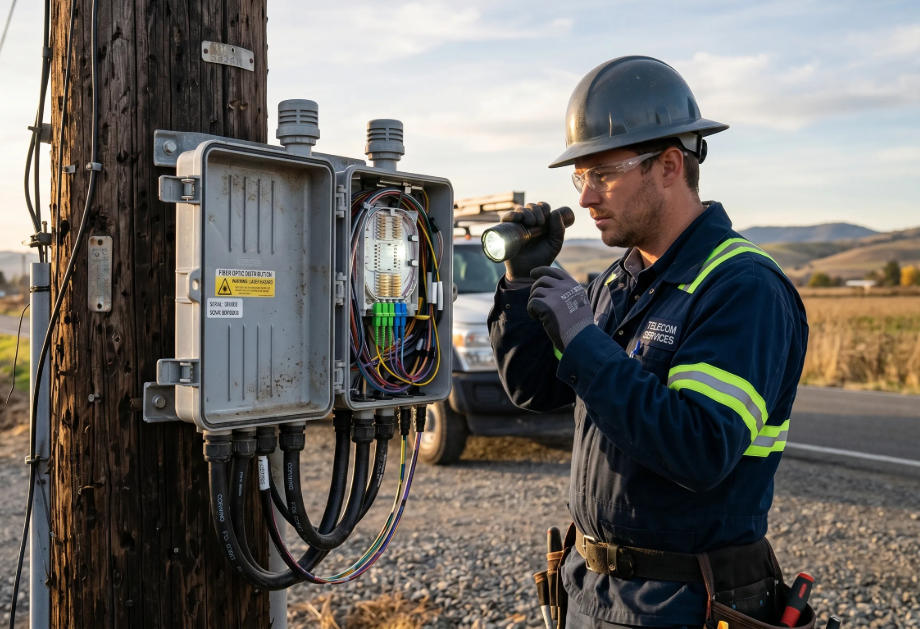
The fiber termination box (FTB) serves as the termination point for fiber optic cables in FTTx, LAN, security monitoring and campus network systems. It offers reliable protection for fiber splices, manages slack fibers neatly, and supports SC, LC, FC and ST adapters. Indoor metal models and outdoor waterproof ABS versions are available with various core options. The cable entry ports are sealed effectively to block dust and moisture, ensuring stable optical transmission for long-term operation.
Advantages of Fiber Termination Box
Fiber Termination Box, also known as fiber distribution box, fiber terminal box, serves as the terminal connection point for optical fiber cables. It realizes fiber splicing, fiber termination, cable management and signal distribution. Below is a comprehensive sorting of its core advantages, suitable for product introduction, independent station SEO, foreign trade product description.
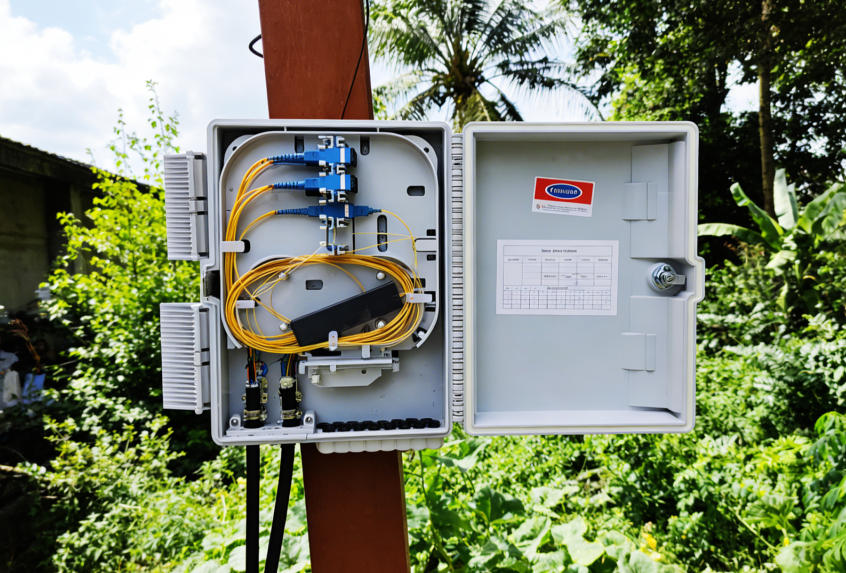
Centralized Fiber Management & Clear Wiring
- Concentrates incoming trunk optical cables and jumpers inside one enclosure, separating bare fiber, spliced fiber pigtails and patch cords.
- Standard internal routing brackets, cable fixing clamps and fiber storage trays prevent fiber tangling.
- Easy identification of each fiber core with labeling positions, greatly simplifying maintenance, fault troubleshooting and fiber core allocation.
- Avoid messy scattered fiber connections commonly seen in random direct splicing.
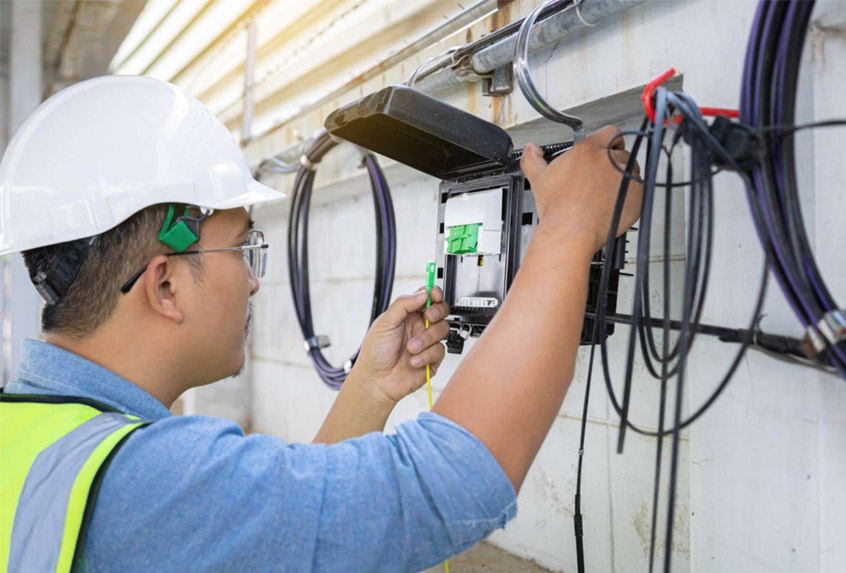
Effective Mechanical Protection for Fragile Optical Fibers
- Rigid metal / ABS plastic housing shields fiber splices from external collision, extrusion.
- Built-in cable strain relief structure locks incoming cables to prevent pulling force from transferring to fusion splice points.
- Specified minimum bend radius guides avoid excessive fiber bending which causes signal attenuation and fiber breakage.
- Protects fusion splice sleeves from friction and damage.
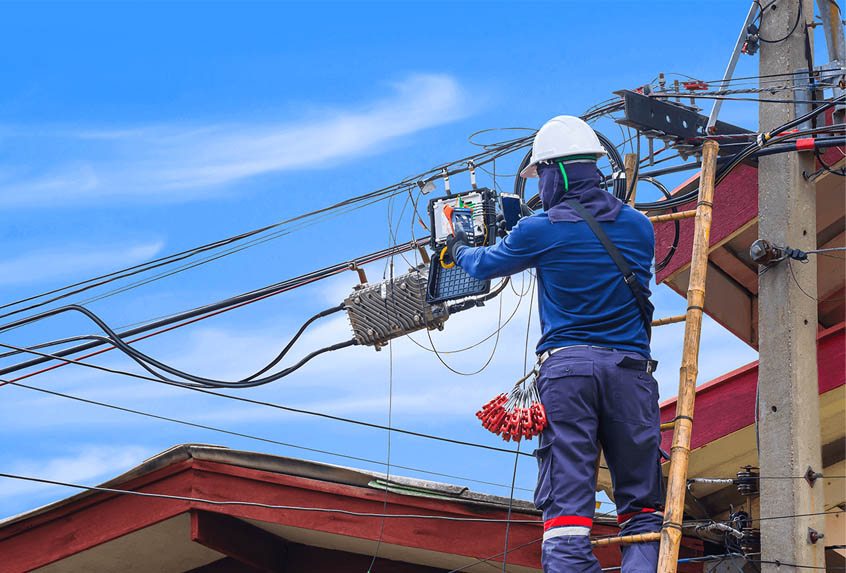
Reliable Environmental Isolation
- Sealed structure options (IP65 waterproof dustproof models for outdoor; IP54 for indoor) block dust, moisture, dew.
- Outdoor-type fiber termination boxes resist temperature fluctuation, ultraviolet radiation, light rain and humidity.
- Prevent dust contamination on fiber end faces; dirty fiber connectors are the top cause of high insertion loss.
- Reduce risks of oxidation and dampness at splicing points, extend service life of fiber links.
Flexible Network Expansion & Scalability
- Multiple specification options: 4/8/12/24/48 core termination boxes to match different fiber counts.
- Support two mainstream connection modes:
- Fusion splicing: trunk cable fusion with pigtails inside the box
- Pre-terminated fiber direct plug-in
- Reserve extra space for future fiber core expansion. When upgrading the network, only add adapters and jumpers without reconstructing the whole cable route.
- Compatible with SC, LC, FC, ST adapters to adapt different transmission equipment (switches, OLT, ONU).
FAQ of Lorem ipsum dolor sit amet
- Centralized fiber management, neat wiring and convenient line inspection
- Comprehensive protection for fiber splices, prevent stretch, crush and excessive bending
- Waterproof, dustproof housing optional for indoor and outdoor deployment
- Support SC/LC/FC/ST adapters, flexible for various network devices
- Good scalability, convenient for later network expansion
- Stabilize optical signal, reduce transmission loss and fiber break risk
- Easy wall/pole installation, simplify field construction
- Prevent unauthorized damage, improve communication system stability
Wide Application Compatibility
Suitable for multiple scenarios:- FTTH access network, residential community communication
- Enterprise campus, office building LAN
- Highway monitoring, smart city, security system
- Duct optical cable, aerial optical cable indoor terminal
- Data center branch wiring
Share Fiber Termination Box to Your Social Media
Ultimate FAQ Guide to Fiber Termination Box
What are the main types of fiber termination boxes?
- Wall-mounted fiber termination box: Widely used in buildings, residential corridors, small communication rooms.
- Rack-mounted fiber termination box (19-inch standard): Deployed in server cabinets, central equipment rooms.
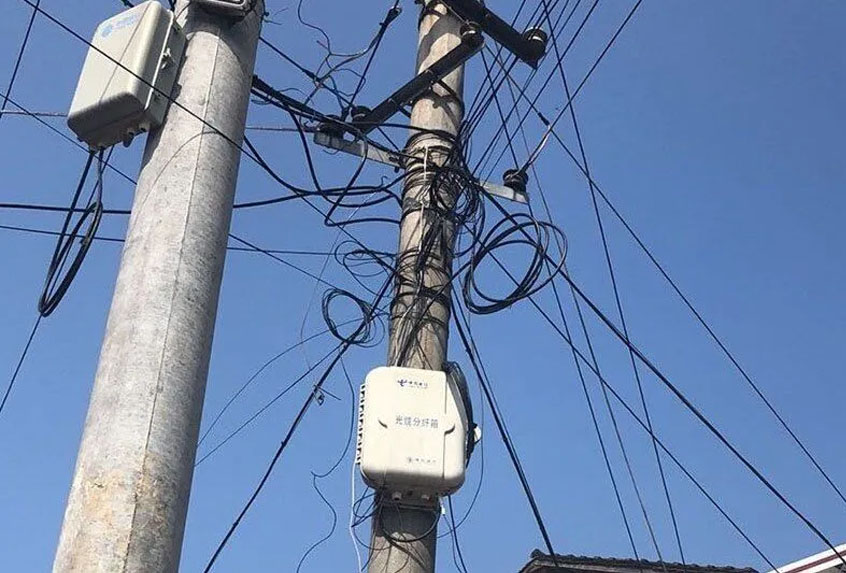
- Pole-mounted fiber termination box: Outdoor aerial network deployment.
- Indoor fiber termination box
- Outdoor waterproof fiber termination box (IP54 / IP65 rated)
What materials are fiber termination boxes made of?
- Indoor model: Cold rolled steel (spray anti-static plastic), ABS engineering plastic; lightweight and low cost.
- Outdoor waterproof model: Thick cold rolled steel, stainless steel or high-strength ABS+PC alloy. Equipped with rubber sealing strips to prevent water, dust and moisture ingress.
What core internal components does a fiber termination box include?
- Fiber splice tray: For storing fiber fusion splices and protecting heat shrink sleeves.
- Cable fixing bracket: Fix incoming optical cables to avoid fiber tension damage.
- Strain relief device: Prevent pulling force acting on fiber cores.
- Adapter panel: Install SC, LC, FC, ST fiber adapters.
- Cable entry ports: For feeding trunk cables and drop cables.
- Grounding terminal: Lightning protection and electrostatic discharge for outdoor use.
Which fiber adapters can be installed inside termination boxes?
- SC/UPC, SC/APC (Most popular for FTTX, broadband access)
- LC/UPC, LC/APC (High-density applications, data centers)
- FC/UPC, FC/APC (Telecom backbone, test equipment)
- ST (Enterprise LAN, traditional campus network)
Difference between UPC and APC connectors in fiber termination boxes?
- UPC: Flat polished end face, typical return loss ≥55dB, suitable for data transmission, Ethernet, private lines.
- APC: Angled 8° polished end face, return loss ≥60dB. Preferred for PON, CATV, video signal transmission to avoid signal reflection interference.
Can fiber termination boxes realize both fiber splicing and direct termination?
- Fusion splicing mode: Trunk fiber fusion spliced with fiber pigtails inside the box; pigtails connect to adapters. This is the most widely used telecom standard method.
- Direct termination mode: Field assembly quick connectors installed directly on fiber ends without fusion splicing, suitable for temporary projects and quick on-site deployment.
What is the IP rating of outdoor fiber termination boxes?
- IP54: Prevent dust accumulation and splashing water; suitable for covered outdoor areas.
- IP65: Fully dust-proof, resistant to low-pressure water jet; standard for open-air pole-mounted outdoor FTTH networks.
What is the difference between fiber termination box and fiber optic splice closure?
- Fiber Termination Box: Equipped with adapters, provides active fiber ports for plugging patch cords; used as distribution node, convenient for later network expansion and maintenance.
- Fiber Splice Closure: Only for fiber fusion splicing without adapter ports, just for cable joint connection, no signal distribution function, mostly buried or aerial along trunk routes.
Difference between fiber termination box and ODF fiber distribution frame?
- Fiber Termination Box: Small capacity (4–96 cores), wall/pole mounted, used on building floors, community nodes, remote distribution points.
- ODF Optical Distribution Frame: Large capacity (144 cores and above), standard 19-inch rack-mounted, placed in central computer rooms for backbone fiber management.