
China Underwater Fiber Optic Cable Factory
Are you in need of a dependable manufacturer for custom underwater fiber optic cables? YUNDA specializes in producing high-quality underwater fiber optic cables designed to withstand the challenging underwater environment. As a leading supplier in China, we offer competitive prices and outstanding customer service. Contact YUNDA today for a custom quote and discover why we're trusted worldwide!
What Is an Underwater Fiber Optic Cable?
An underwater fiber optic cable is a specially designed fiber optic cable installed underwater to transmit data between different geographic locations.
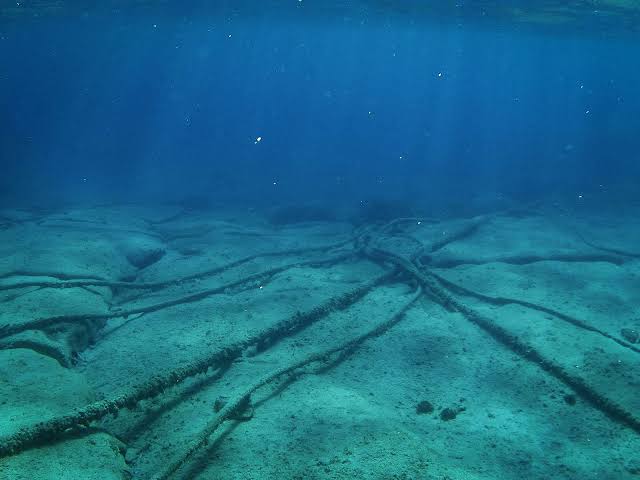
These cables can be installed:
- Across oceans
- Under seas
- Through rivers
- Across lakes
- Between islands and mainland areas
Unlike ordinary outdoor fiber optic cables, underwater cables must withstand extreme environmental conditions, including:
- High water pressure
- Corrosion from seawater
- Ocean currents
- Fishing activities
- Ship anchors
- Earthquakes
- Temperature changes
The main purpose of underwater fiber optic cables is to create high-speed communication links between countries, cities, and remote areas.
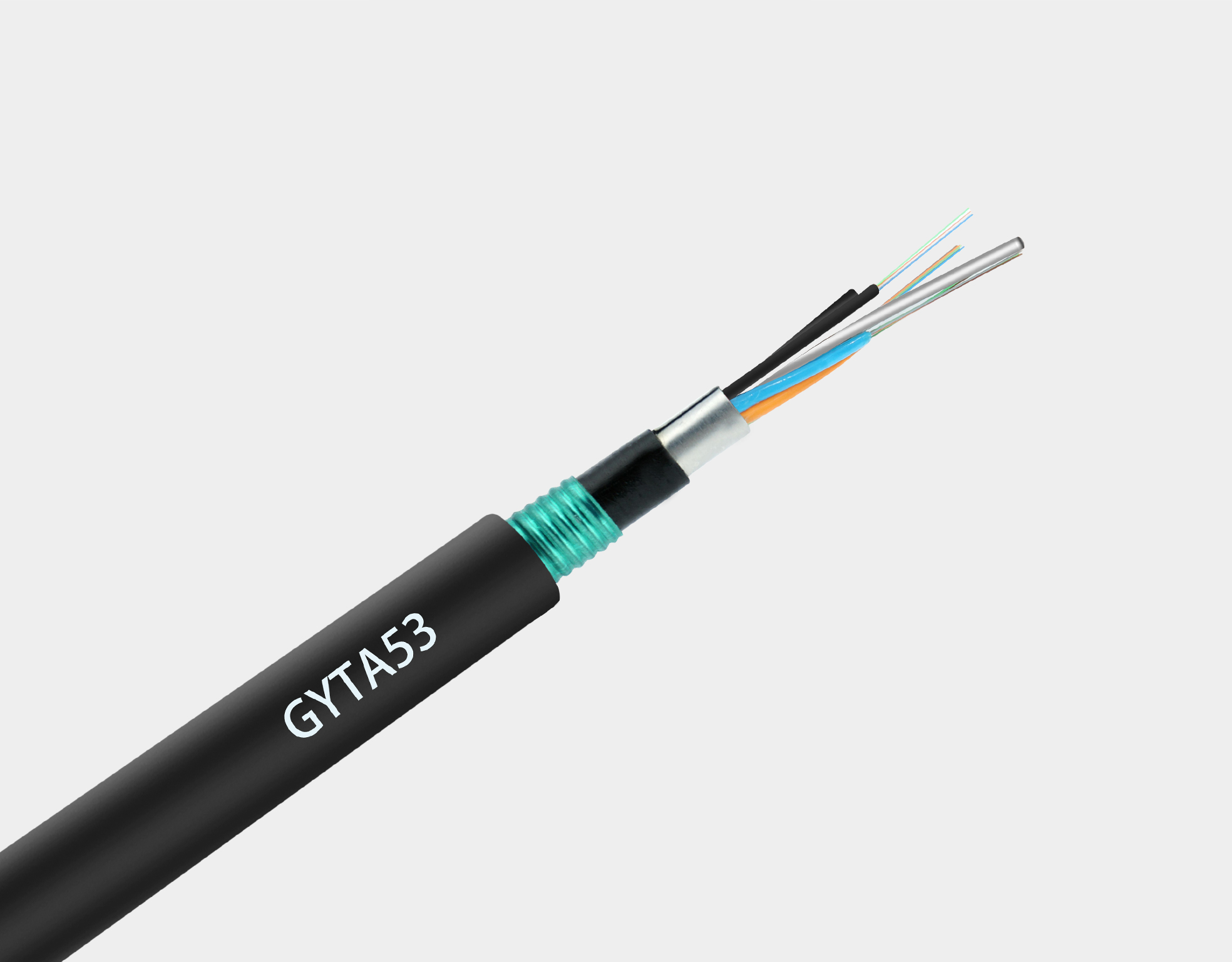
GYTA53 Fiber Optic Cable
Double protection structure: aluminum tape waterproof layer + steel tape mechanical armor
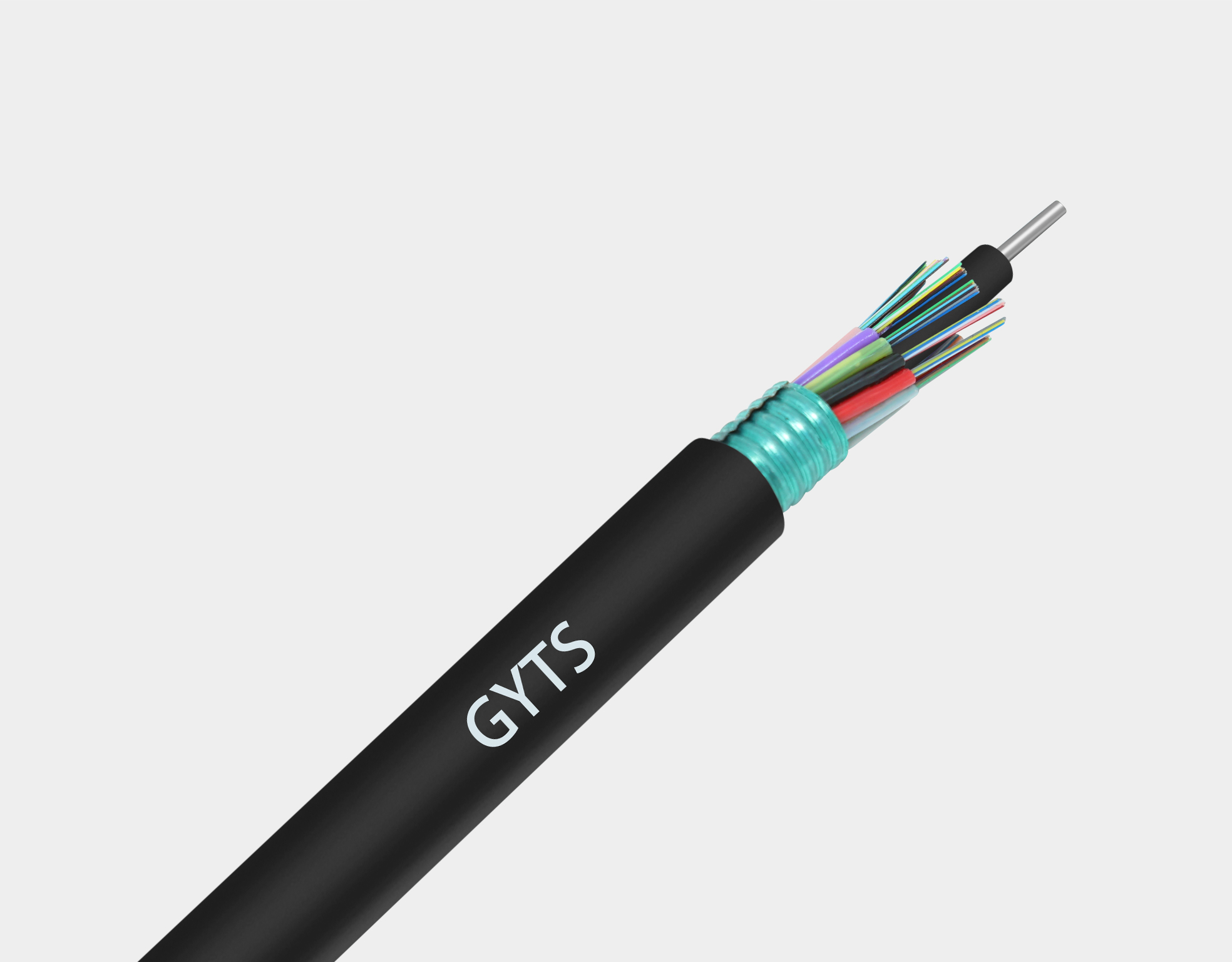
GYTS Fiber Optic Cable
Multi-layer water-blocking system: tube gel + core filling + steel tape barrier
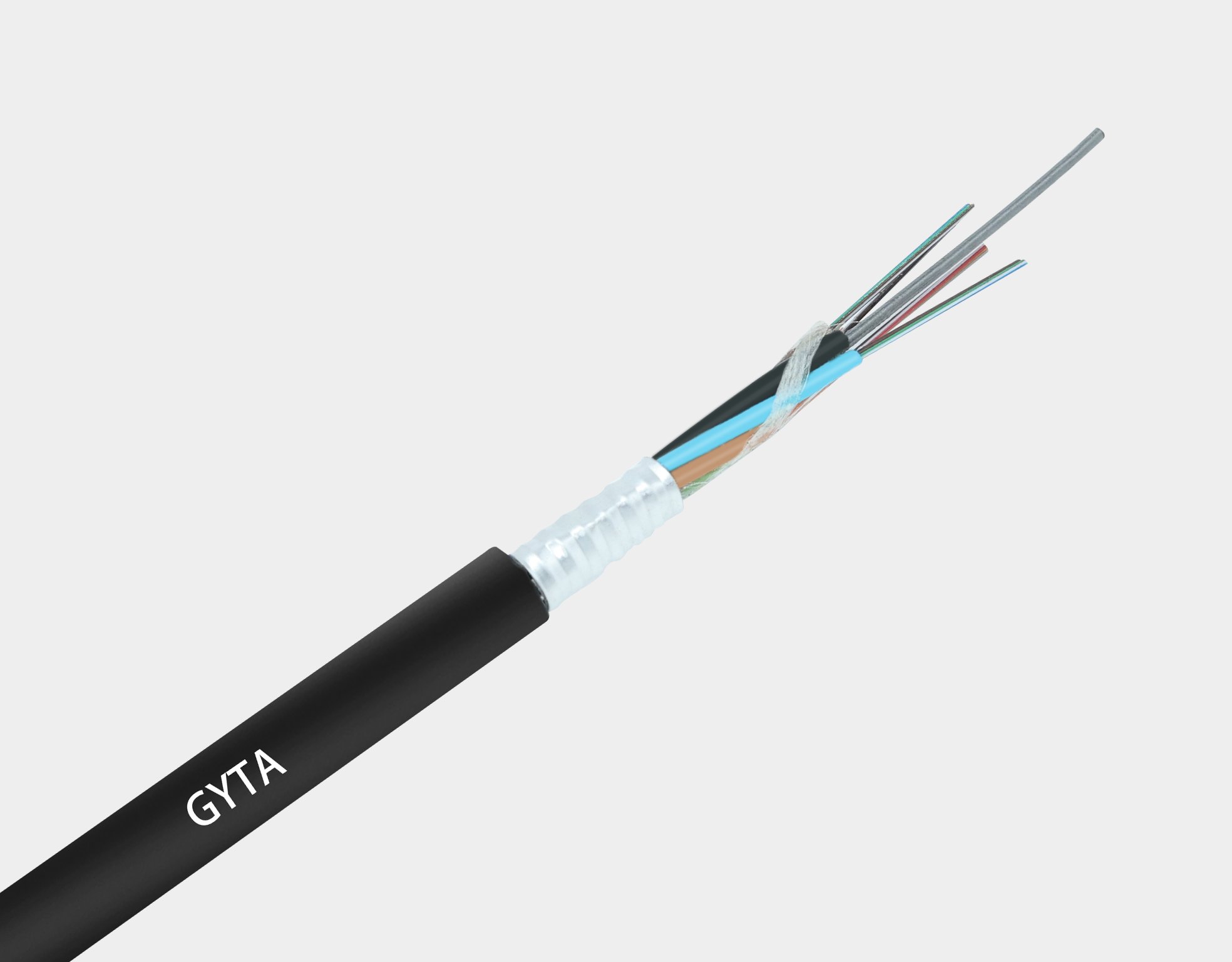
GYTA Fiber Optic Cable
Light weight compared with GYTS Excellent moisture barrier performance
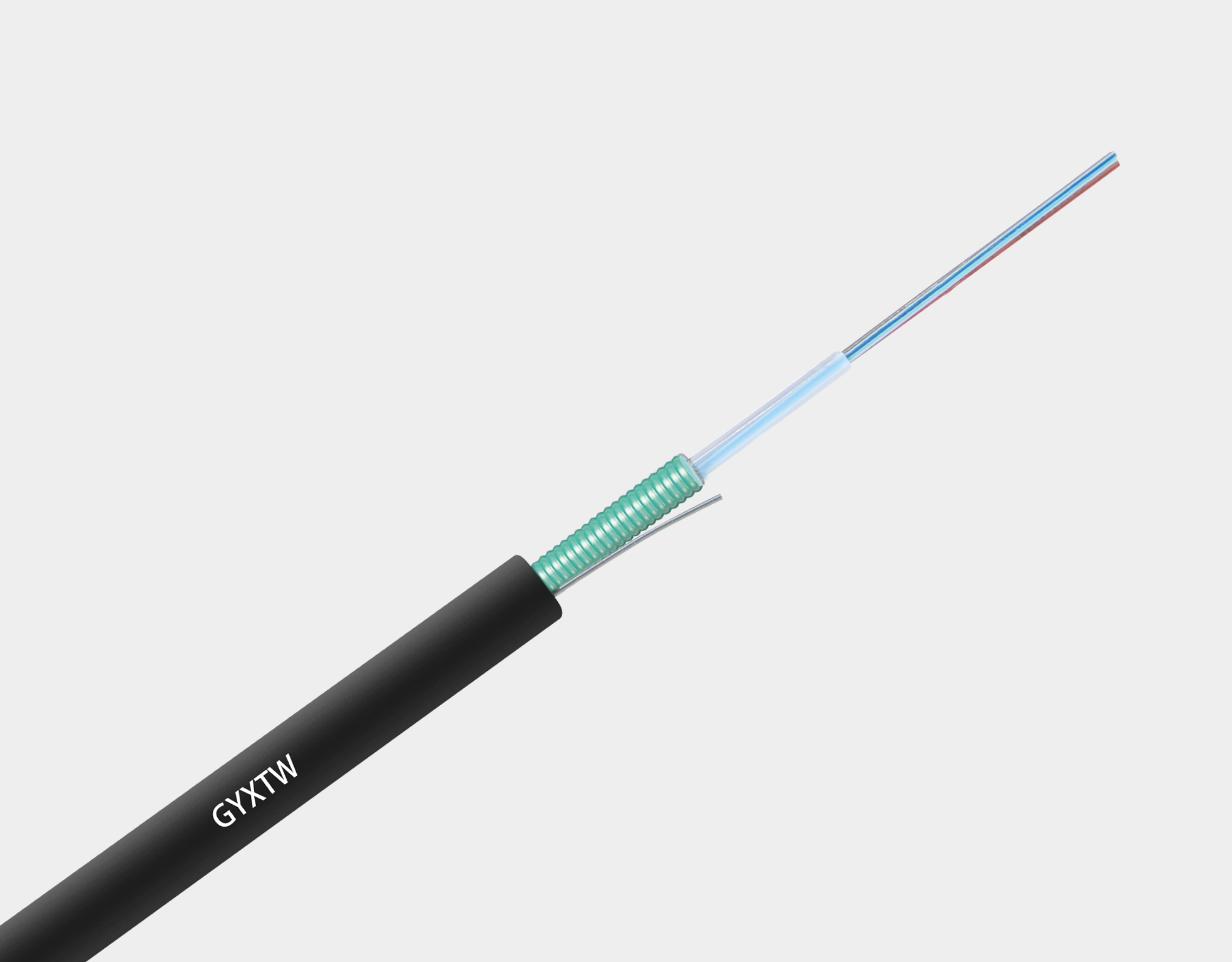
GYXTW Fiber Optic Cable
GYXTW fiber optic cable is constructed using high-quality materials for durability and performance.
Extremely High Bandwidth
Fiber optic cables can carry enormous amounts of data.
Modern submarine cables can transmit:
- Terabits per second
- Millions of internet connections simultaneously
Underwater Fiber Optic Cable Installation Standards
Common standards include:
- ITU-T G.652D optical fiber requirements
- IEC submarine cable testing standards
- ISO quality management systems
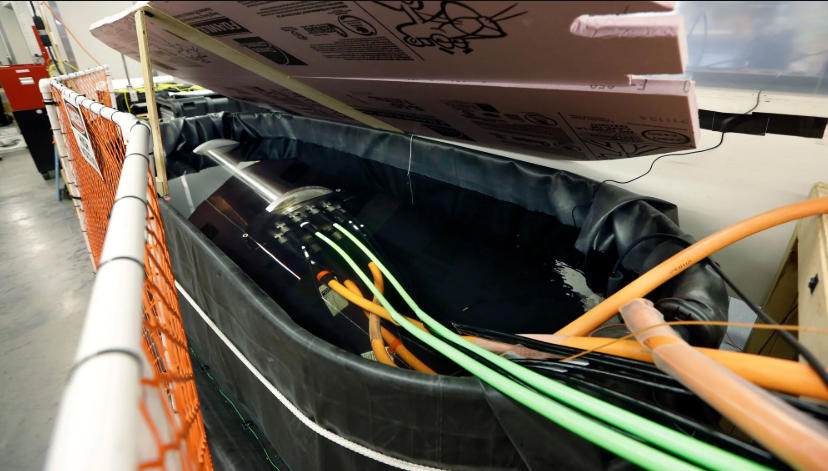
Professional manufacturers provide cables tested for:
- Waterproof performance
- Tensile strength
- Optical attenuation
- Environmental durability
Low Signal Loss
Optical fiber has very low attenuation.
Typical single mode fiber attenuation:
- Around 0.35 dB/km at 1310 nm
- Around 0.20 dB/km at 1550 nm
Related Products
Share Underwater Fiber Optic Cable to Your Social Media
Ultimate FAQ Guide to Underwater Fiber Optic Cable
How does an underwater fiber optic cable work?
Underwater fiber optic cables transmit data through pulses of light traveling inside optical fibers.
The basic transmission process:
- Electrical data is converted into optical signals.
- Laser transmitters send light pulses through the fiber core.
- Light travels through the glass fiber with minimal signal loss.
- Optical receivers convert the light back into electrical signals.
Because fiber uses light instead of electrical current, underwater fiber optic cables provide:
- Extremely high bandwidth
- Low latency
- Long-distance transmission
- Immunity to electromagnetic interference
How deep can underwater fiber optic cables be installed?
The installation depth depends on cable design.
Typical ranges:
| Cable Type | Installation Depth |
|---|---|
| River/Lake Cable | 10–100 meters |
| Coastal Cable | 100–1,000 meters |
| Deep Sea Submarine Cable | Over 8,000 meters |
Modern submarine cables can operate at extreme ocean depths, including areas deeper than the Mariana Trench.
How long does an underwater fiber optic cable last?
A properly designed underwater fiber optic cable can typically last:
25–30 years or more
Service life depends on:
- Cable structure
- Installation quality
- Water depth
- Marine environment
- Protection against external damage
High-quality submarine cables are designed for decades of continuous operation.
What fiber type is used in underwater fiber optic cables?
Most underwater communication cables use:
Single Mode Fiber (SMF)
Common standards:
- G.652D
- G.655
- G.657
Advantages:
- Low attenuation
- Long-distance transmission
- High bandwidth
For most underwater networks, G.652D single-mode fiber is widely used.
Can underwater fiber optic cables be repaired?
Yes. Repairs are possible but require specialized equipment.
Repair process:
- Locate the damaged section.
- Recover the cable from the water.
- Cut out damaged parts.
- Install a new cable section.
- Perform fiber splicing.
- Return the cable underwater.
Submarine cable repair usually requires:
- Cable repair ships
- ROV equipment
- Professional technicians
Can underwater fiber optic cables carry internet traffic?
Yes. The majority of global international internet traffic is transmitted through submarine fiber optic cable networks.
They connect:
- Continents
- Countries
- Islands
- Data centers
Are underwater fiber optic cables waterproof?
Yes. They use multiple waterproofing technologies:
- Gel filling
- Water-blocking tape
- Sealed jackets
- Metal armor protection
However, waterproof performance depends on cable design and installation quality.
Why choose a professional underwater fiber optic cable manufacturer?
A reliable manufacturer provides:
- Customized cable design
- Strict quality control
- International standards compliance
- Fiber performance testing
- OEM/ODM services
- Global delivery support
Professional production ensures long-term reliability in demanding underwater environments.