
Category
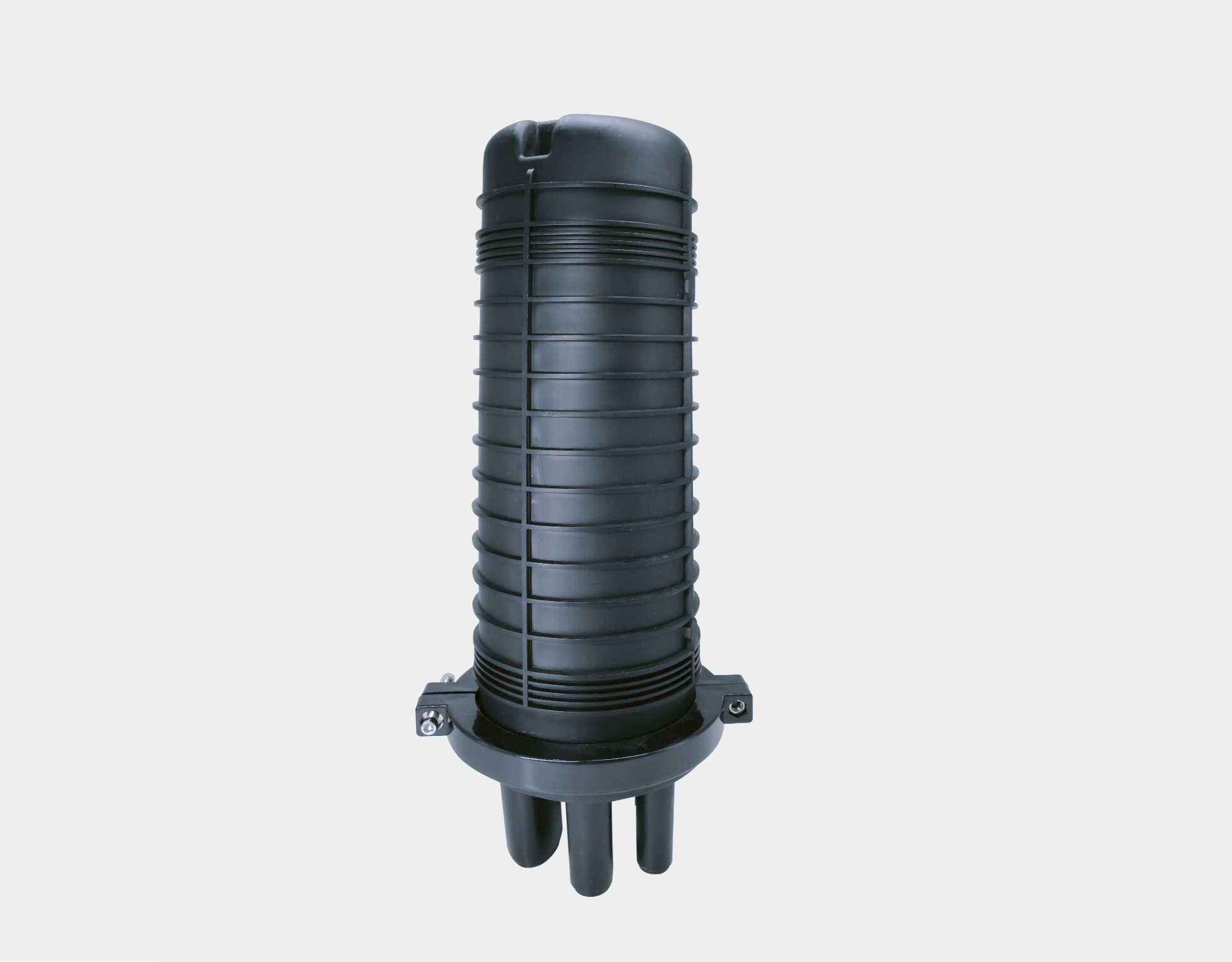
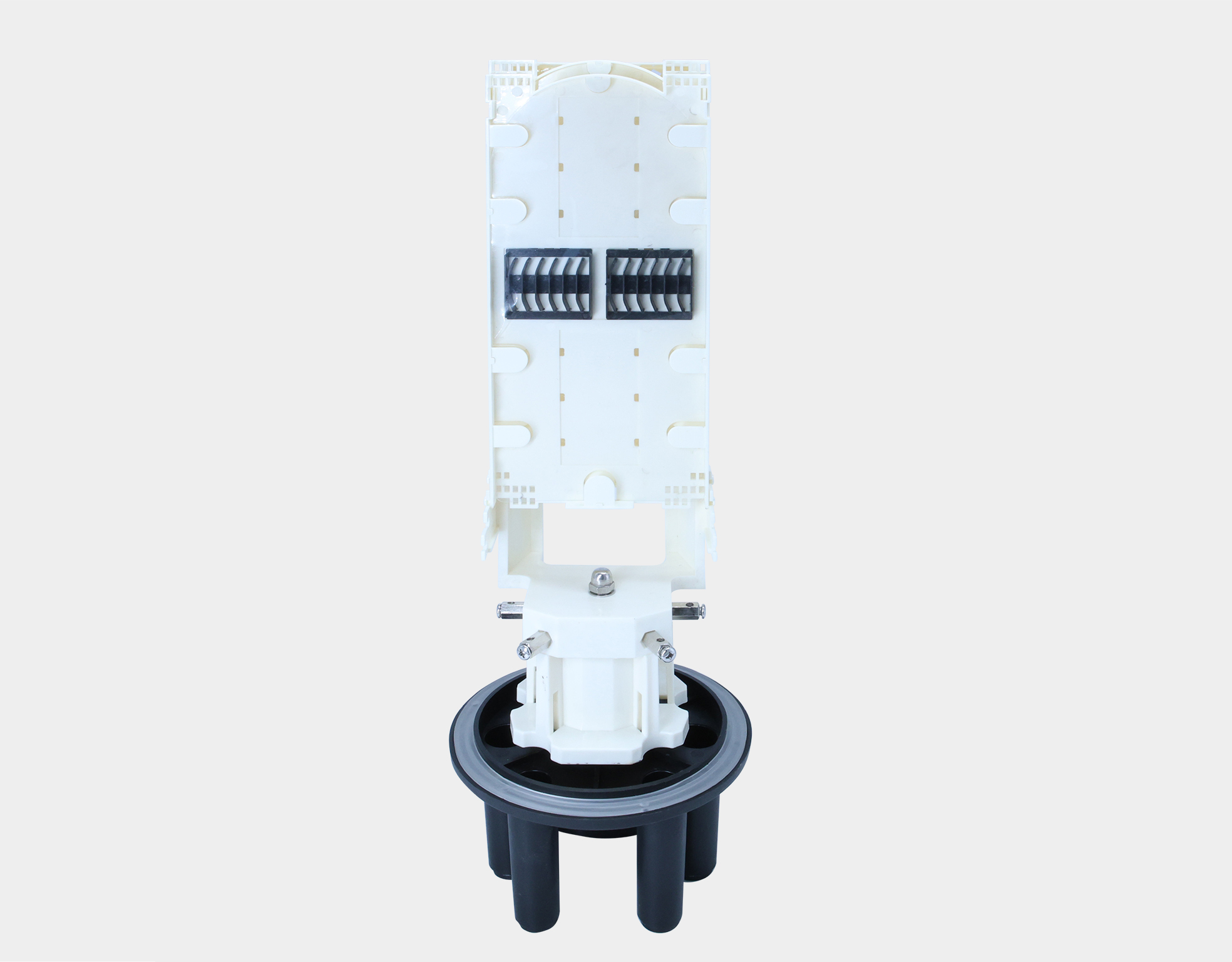
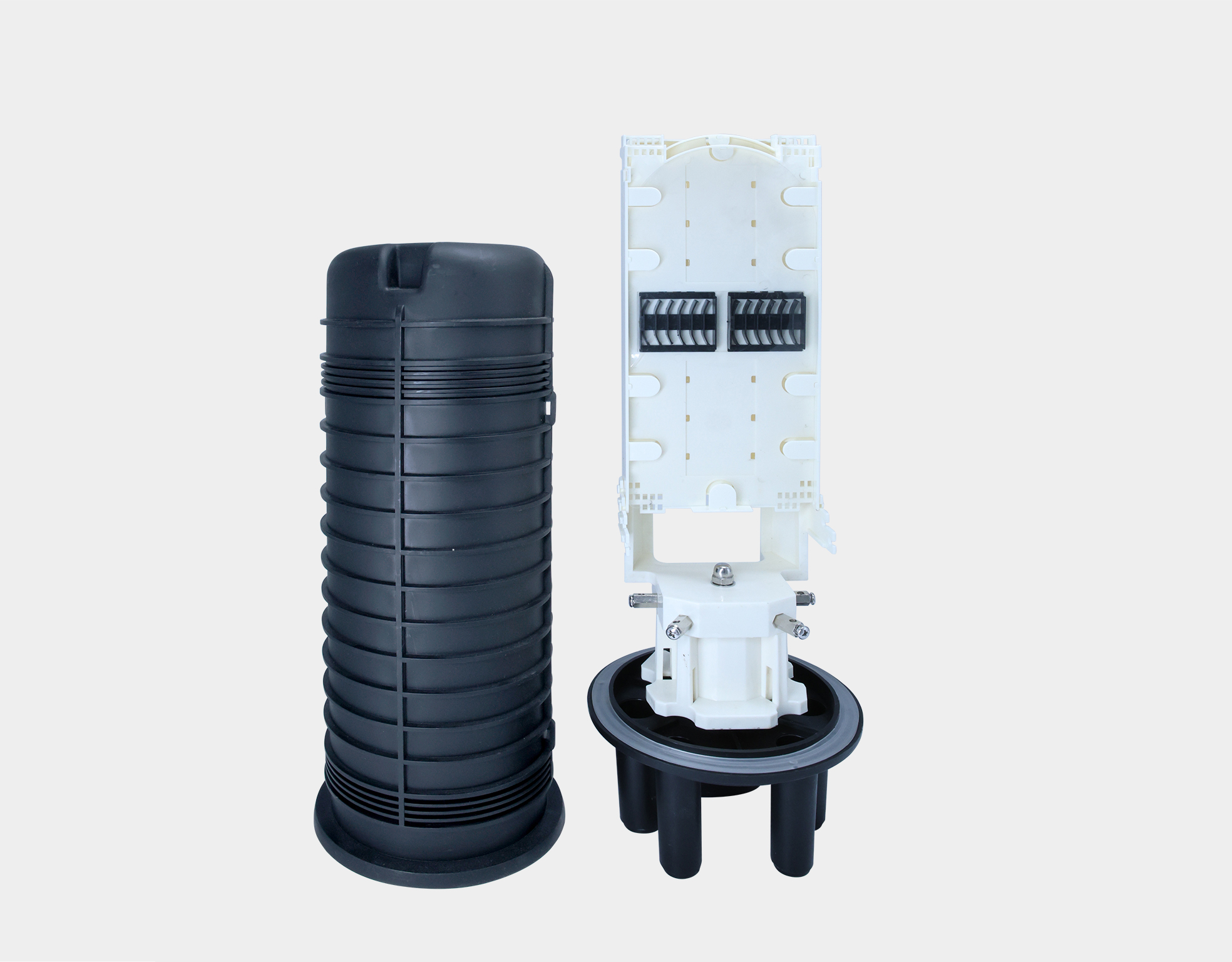
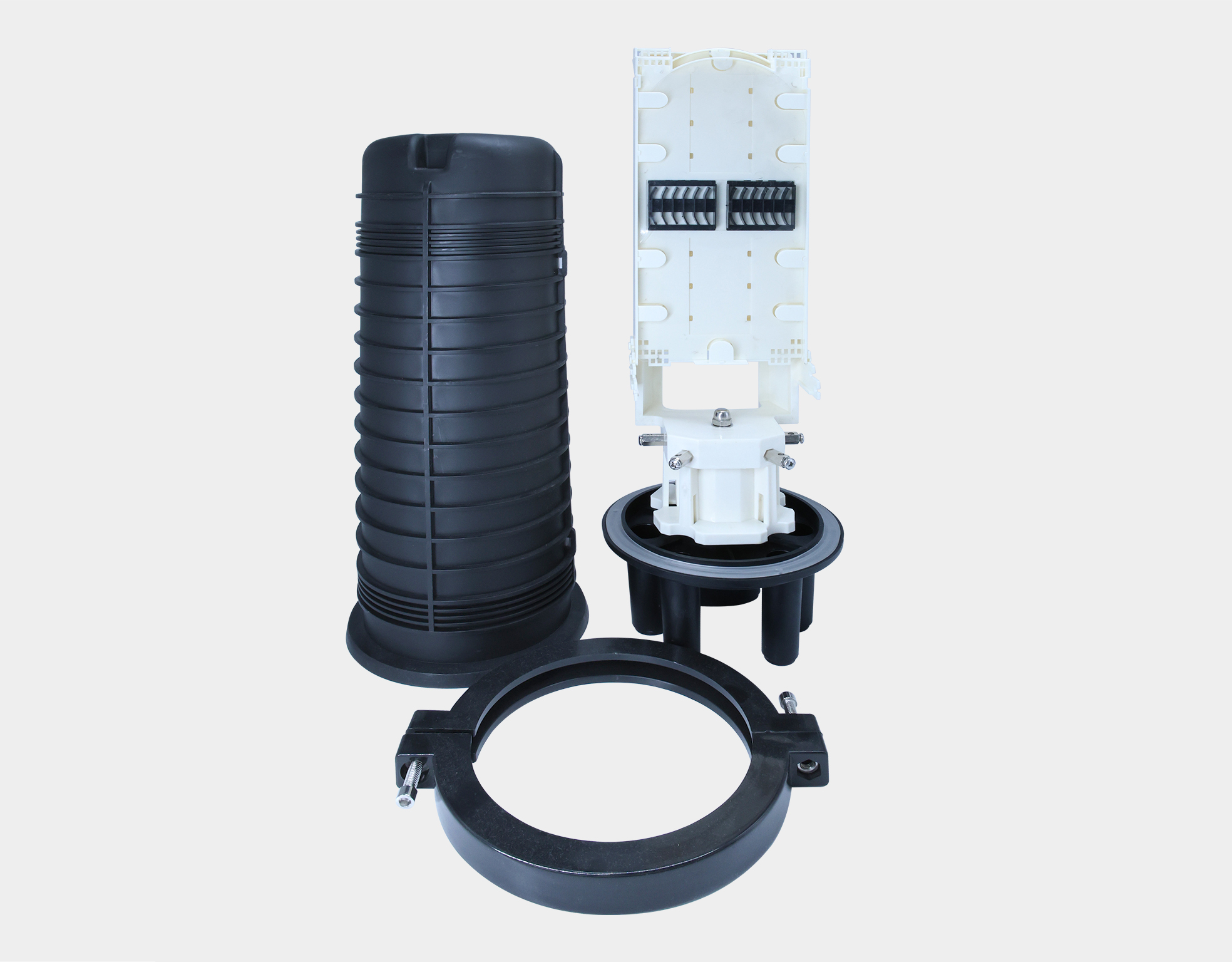
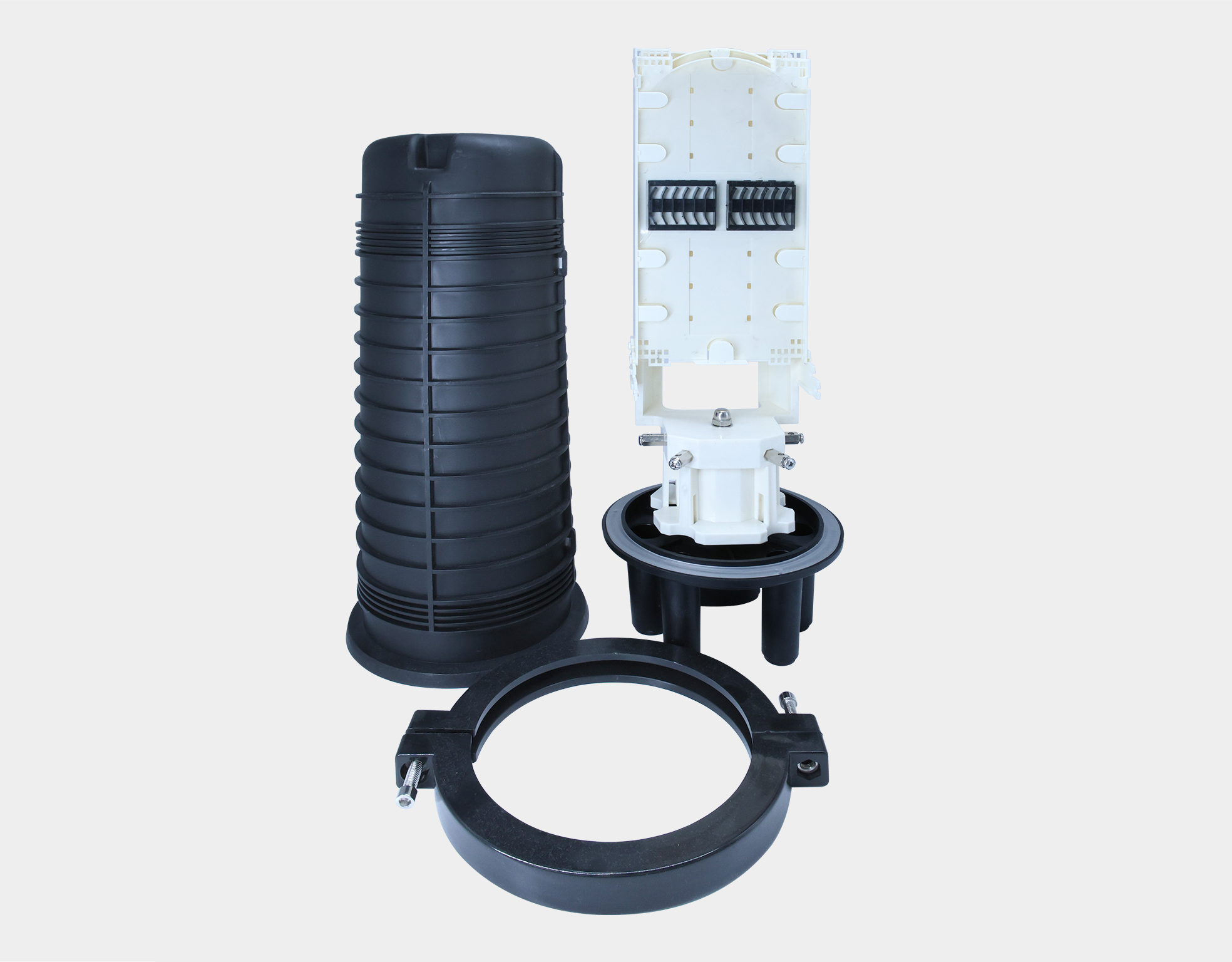
Fiber Optic Enclosure
- A strong housing protects optical fibers inside. This shields 2.5 mm ferrules carefully. The Fiber Optic Enclosure body is IP68-rated. So, dust is blocked completely by it. Also, water cannot enter easily. Made of strong polycarbonate, the enclosure lasts. You can secure cables up to 15mm wide.
Why is a Fiber Optic Enclosure Indispensable for Your Network?
This housing is crucial for network reliability. It uses 1.2mm thick plastic. Because, components need protection from different forces. The Fiber Optic Enclosure maintains stable signals. That is within 1310nm to 1550nm wavelengths. As a result, internal guides keep a 30mm bend radius.
A 3-point lock offers security. Because, cable retention force is over 100N. You can fit up to 48 SC adapters. Moreover, this enclosure works in 85% humidity. The Fiber Optic Enclosure lasts over 25 years. Thus, its dimensions are 400 x 185 x 95. Further, pigtails are ready for instant use. Finally, this box holds 12 protection sleeves.
Types of Fiber Optic Enclosures for Diverse Needs
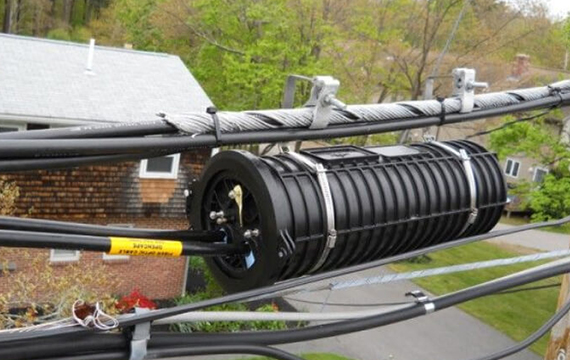
Splice Enclosures
Inline splice types have a round shape. The dimensions are about 450mm by 120mm. Subsequently, they are for direct burial only. The sturdy wall mount fiber optic enclosure uses a 2:1 heat-shrink seal.
The Fiber Optic Enclosure uses a 2:1 heat-shrink seal. It holds up to 288 fiber splices. Also, mechanical protectors are 45mm long. Consequently, helping with G.652.D standard fibers.
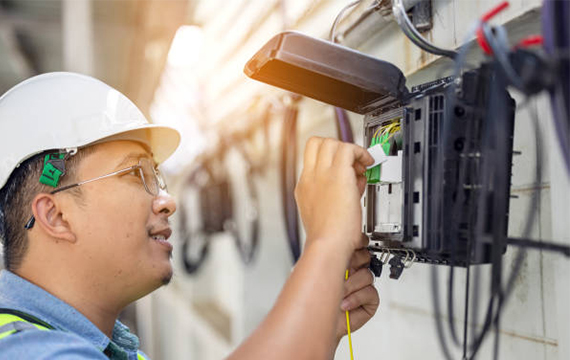
Outdoor Fiber Enclosures
These boxes mount on poles. Using stainless steel bands is beneficial. Plus, robust design uses strong thermoplastic material. The fiber optic wall mount enclosure features an IP67 rating for protection.
The Fiber Optic Enclosure features IP67 rating. Thus, they splice up to 144 fibers. Additionally, heat-shrink seals create a strong barrier. While, these ensure protection for 5mm cables. Finally, organizers help.
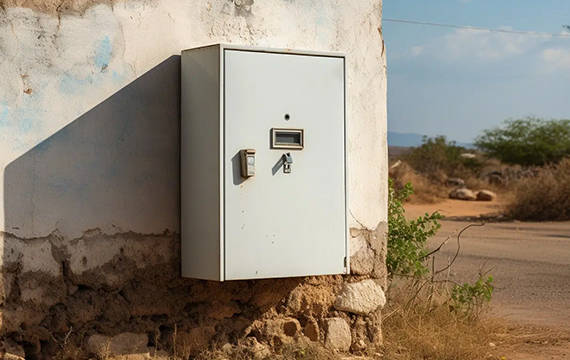
Wall Mount Enclosures
These boxes have a small 200x300x80 mm size. Thus, surface-mount design works for outside use. These boxes, like a fiber optic enclosure outdoor, have IP65 environmental safety.
These boxes have IP65-rated environmental safety. Polycarbonate, with UV, gives long life. Yet, these securely hold up to 24 fibers. Doors offer real physical safety. Also, the Fiber Optic Enclosure has many entry points. Consequently, managing spools are inside.
Fiber Optic Enclosure Specifications
| Feature | Dome Type (Vertical) | Inline Type | Wall Mount | Rack Mount (1U) | Aerial Closure | Buried Closure |
| Material | UV PP, PC Blend | UV ABS | PC, UV Stable | Cold Rolled Steel | HDPE, UV Resist | Stainless Steel |
| Max. Capacity | 288f | 144f | 96f | 48f | 192f | 576f |
| IP Rating | IP68 | IP67 | IP65 | IP20 | IP68 | IP68 |
| Entry Ports | 1 Oval, 8 Round | 2 Oval | 4 Grommet | Pre-cut Adapters | 6 Round, 1 Oval | 4 Round |
| Sealing | Heat Shrink | Gel, Mechanical | Rubber Gasket | Brush Entry | Heat Shrink | Mechanical, O-ring |
| Temp. Range (°C) | -40 to +65 | -30 to +60 | -20 to +50 | -10 to +50 | -40 to +70 | -40 to +80 |
| Impact Resist | IK10 | IK09 | IK08 | IK07 | IK10 | IK10 |
Rack Mount Enclosures
These fit 19-inch standard server racks. Consequently, you install them in server rooms. 1U chassis height saves valuable space. A fiber optic rack mount enclosure provides access to ninety-six fibers. Moreover, trays provide access to 96 fibers. Connectors, like LC, ensure wide compatibility. Cold-rolled steel offers good structural integrity. The Fiber Optic Enclosure organizes cables. Front panels include many pre-cut adapter ports.
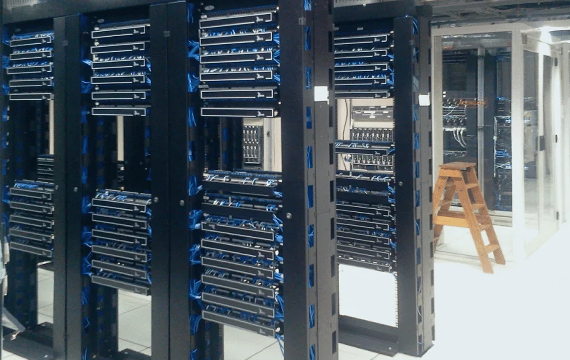
Your Path to Optimal Fiber Network Performance Starts Here
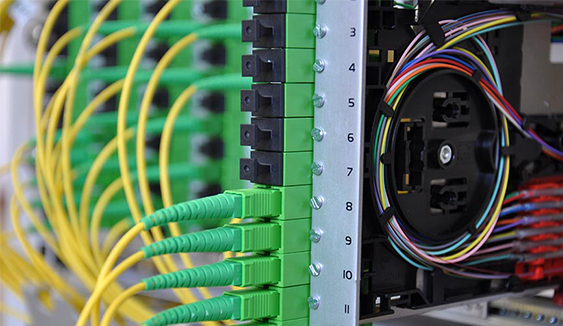
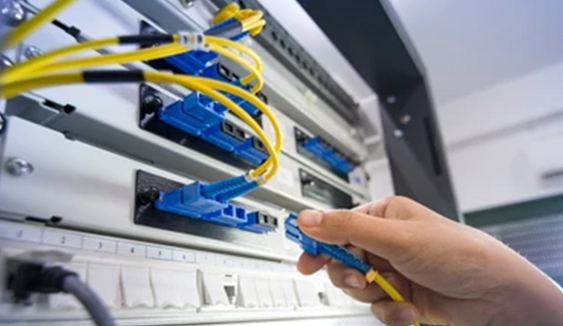
Choose the right housing for best results. Proper selection of the Fiber Optic Enclosure is critical. Consider port density, like 12 or 24. Assess cable entry points, like 4 options.
Review sealing, like IP68 or IP65 rating. Therefore, consider material strength, such as ABS plastic. Think about mounting style, wall or rack. Temperature is vital, -20°C to +60°C. Manage fibers using internal routing guides. Ensure connector compatibility, LC or SC type.
The box offers security via a locking feature. Available space in the rack is 1U or 2U. You can select color, black or white boxes. Weight is also key, under 3 kg is good. Splice tray number needed, such as 2 or 4. Select cable type, G.652.D or G.657.A1 needed. Finally, consider brand reputation for reliable use.
Share Fiber Optic Enclosure to Your Social Media
Ultimate FAQ Guide to Fiber Optic Enclosure
What internal accessories normally come with a fiber optic enclosure?
- Fiber splice trays for storing fusion splices and heat shrink sleeves
- Strain relief clamps / cable fixing brackets to bear cable pulling tension
- Adapter mounting panels (SC, LC, FC, ST customizable)
- Cable entry glands and sealing rubber components
- Fiber routing guides for surplus fiber storage
- Grounding terminals for lightning and static protection
- Mounting hardware: screws, wall brackets, pole hoops, cable ties, identification labels
Note: Pigtails, adapters, splitters and optical cables are normally optional separate accessories.
IP Rating Explanation for Outdoor Fiber Optic Enclosures
- No IP rating: Indoor enclosures, cannot be exposed to rain or open air.
- IP54: Dust protected, resistant to splashing water. Suitable for covered outdoor locations, sheltered corridors.
- IP65: Dust-tight, withstand low-pressure water jets. The most popular standard for pole-mounted FTTX distribution boxes.
- IP68: Dust-tight, capable of continuous temporary immersion. Used for waterlogged manholes, underground and underwater applications.
Important reminder: IP performance relies fully on standardized installation. Damaged gaskets, loose bolts or improperly sealed cable entries will cause water ingress even for IP68 rated enclosures.
Integrated Splice & Distribution Enclosure: How does it work?
- Integrated fiber enclosure combines splicing zone and distribution zone in one single housing.Workflow:Incoming trunk cable → fusion splice with pigtails inside splice tray → pigtails connected to adapters on front panel.Advantages:Reduce the number of network nodes, save project cost, smaller space occupation. Widely adopted in rural FTTX, smart city monitoring networks.
Can a fiber optic enclosure hold optical splitters?
Yes. Most medium and large outdoor distribution enclosures reserve installation positions for PLC splitters (1×4,1×8,1×16,1×32).
This design is known as splitter enclosure / ODP box, the standard node for PON FTTH networks.
When ordering, you can specify whether you need reserved splitter mounting brackets.
What bending radius rules should follow inside fiber enclosures?
- Minimum static bending radius for single-mode fiber inside long-term storage: ≥30 mmMinimum dynamic bending radius during construction: ≥40 mmExcessively tight bending causes permanent extra optical attenuation or fiber breakage. All spare fiber loops must be neatly placed in designated routing areas without sharp corners.
How to select the proper fiber enclosure type for your project?
- Confirm deployment environment: Indoor or outdoor. Outdoor projects must select IP rated models.
- Confirm installation way: wall mount, pole mount, 19-inch rack or underground pedestal.
- Clarify function requirement:
- Only cable joint → splice closure
- Need port distribution / PON splitting → termination / distribution enclosure
- Both splicing and distribution needed → integrated splice & distribution enclosure
- Calculate fiber core count, reserve minimum 30% spare capacity for future network expansion.
- Special environment upgrade: coastal areas choose 304 stainless steel or anti-salt fog plastic; cold regions adopt low-temperature resistant material.
What is the expected service life of outdoor fiber optic enclosures?
Can fiber enclosures accommodate both single-mode and multimode fiber?
- The enclosure itself is purely passive mechanical hardware without optical characteristics. It can manage single-mode G.652D/G.657 fiber as well as OM3/OM4 multimode fiber simultaneously.Best practice: Separate single-mode and multimode fiber on different splice trays with clear labels to avoid confusion during testing and maintenance.
What is the difference between rack-mount fiber enclosure and ODF frame?
- 19-inch Rack-mount Fiber Enclosure: Compact size (1U/2U/4U), small to medium fiber capacity, simple fiber management, suitable for small server rooms.
- ODF Optical Distribution Frame: Large-capacity full-height frame, complete fiber routing system, strong expandability, used for central main equipment rooms with massive backbone fiber resources.