
Category
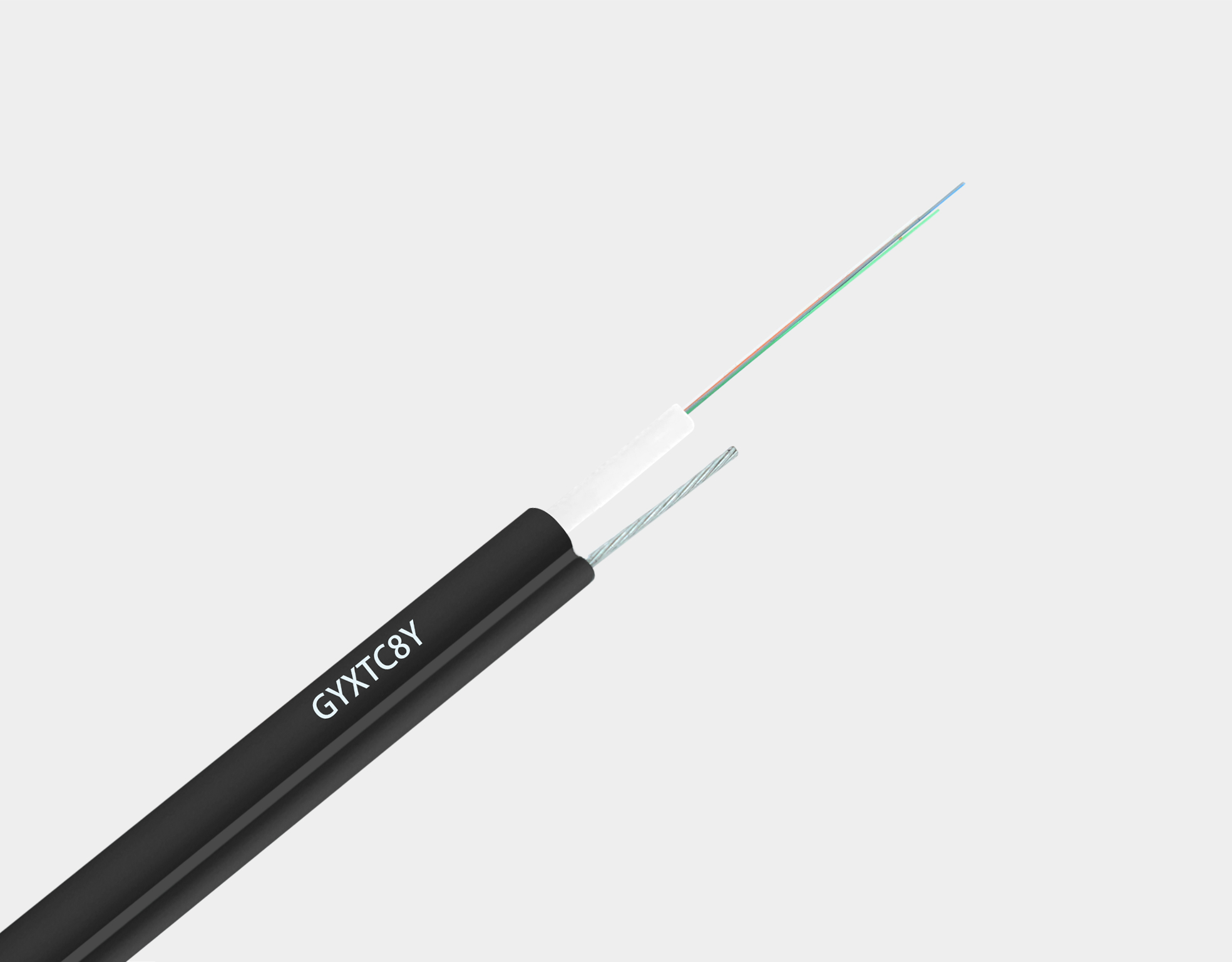
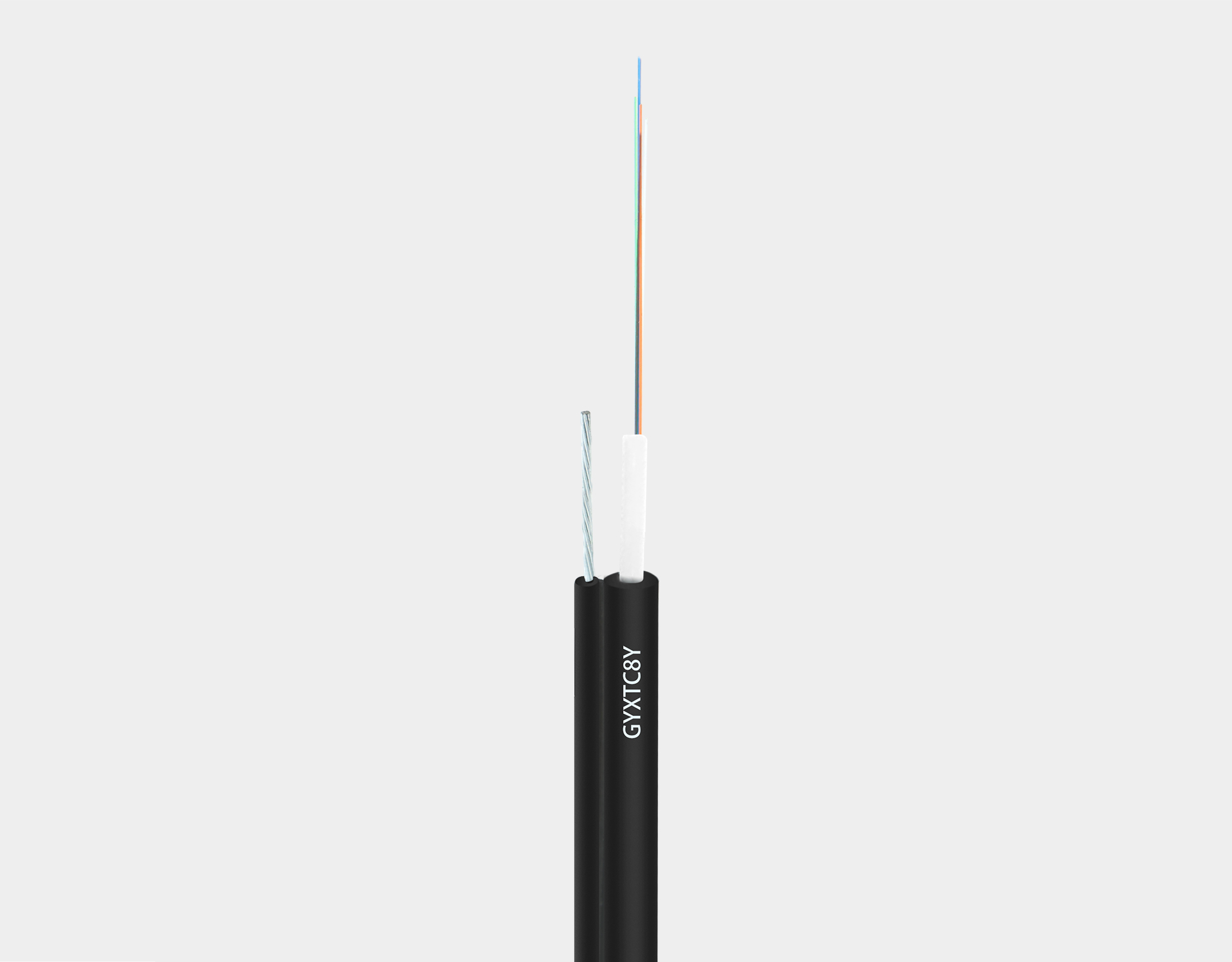
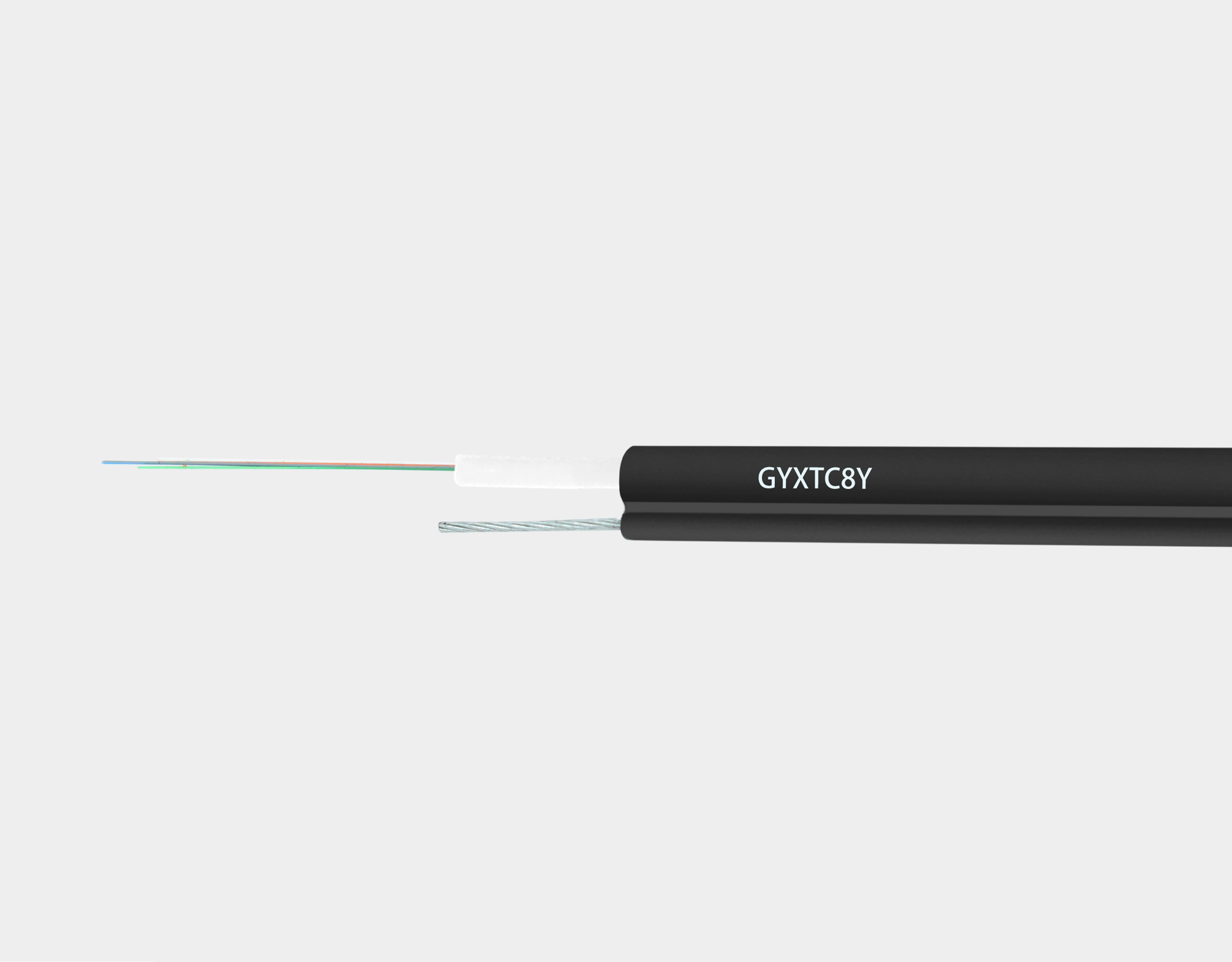
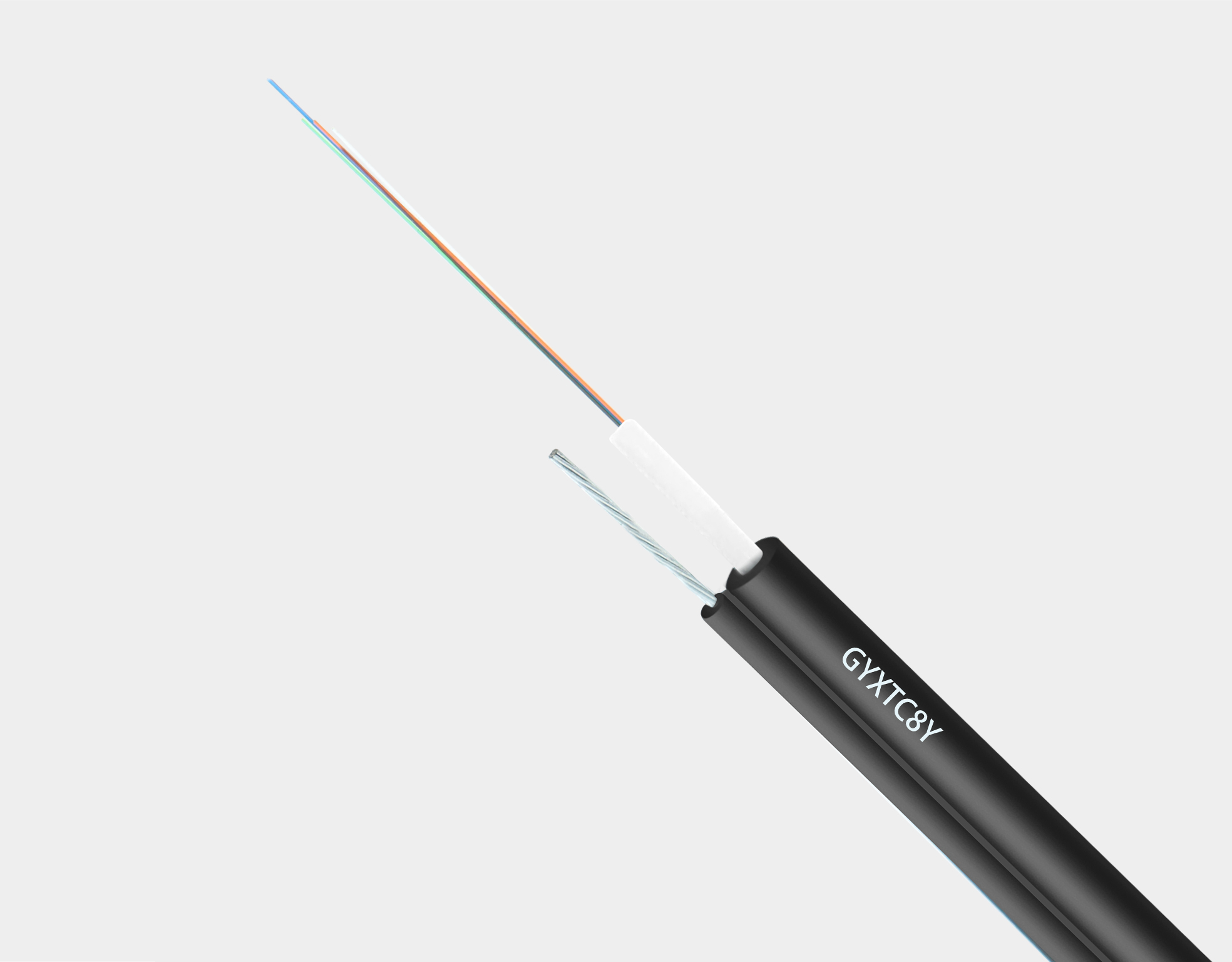
GYXTC8Y Fiber Optic Cable
- Figure-8 integrated self-support design, no extra messenger wire needed for aerial hanging
- Compact mini size, light weight, easy handling & installation
- Central loose tube + aramid yarn, stable fiber excess length
- Multi-layer waterproof: tube gel + tight sheath
- Anti-UV PE jacket, suitable for outdoor exposed aerial
- Economical solution for FTTH aerial drop lines
- No steel tape armor; not for direct burial or heavy crush environment
GYXTC8Y Fiber Optic Cable
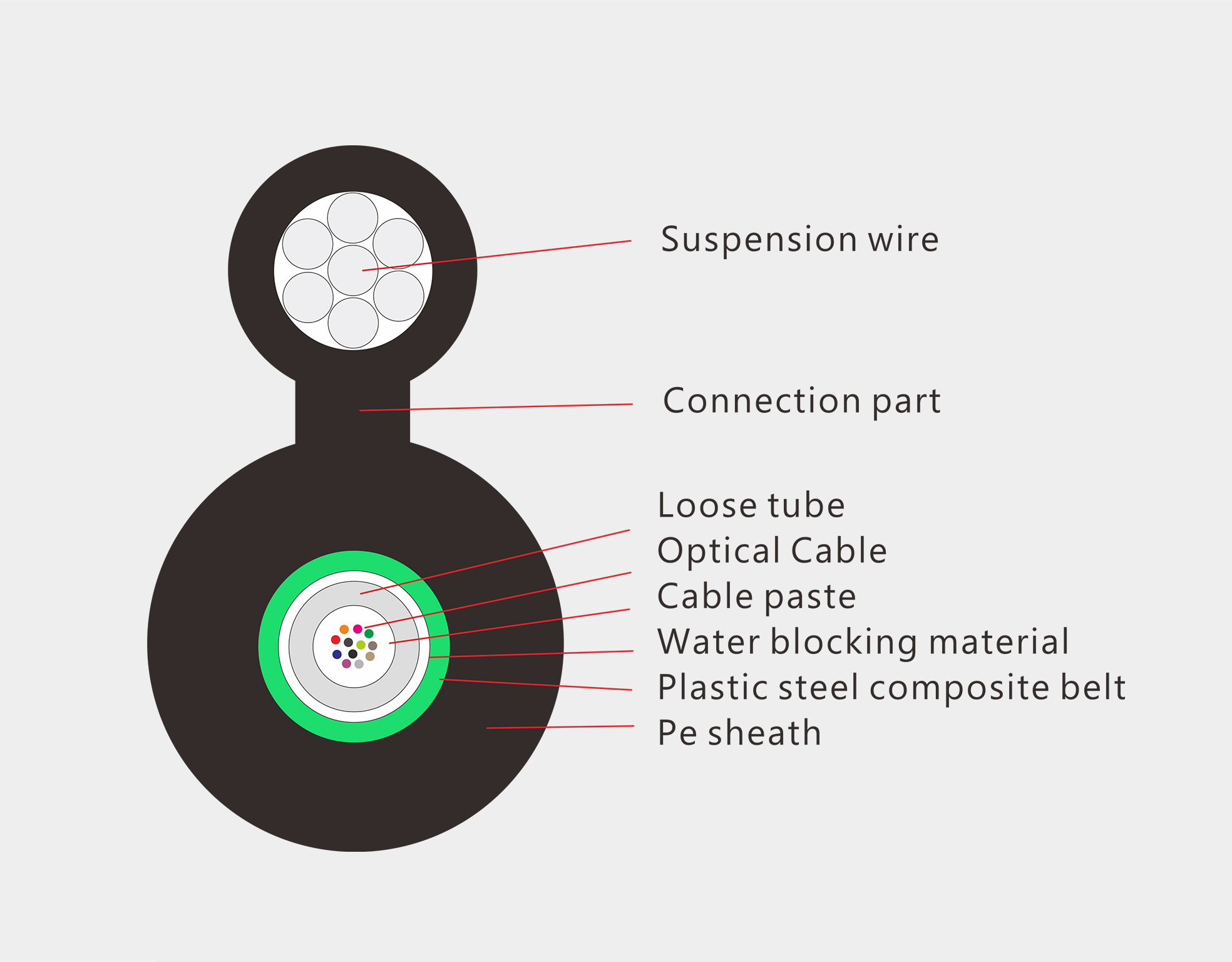
GYXTC8Y figure 8 self-supporting fiber optic cable adopts central loose tube structure with integrated galvanized steel messenger wire. Compact mini size, aramid yarn reinforcement, UV-resistant PE sheath. Available 2–24 cores with G.652D/G.657A2 single mode fiber. Widely used as FTTH aerial drop cable, community and rural access network self-support overhead wiring.
GYXTC8Y Fiber Optic Cable Installation Factors!
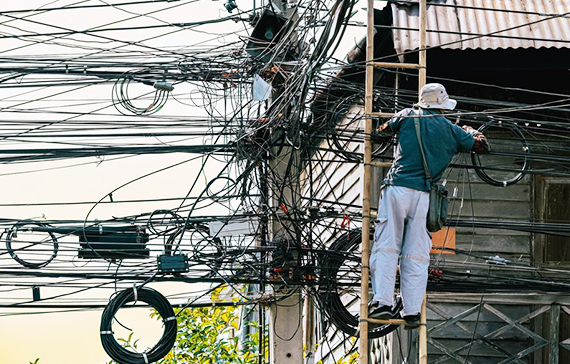
Pole Preparation
Carefully examine existing utility poles first. Next, confirm structure meets the standards. Clear any nearby obstructions. Maintain 2.5mm diameter around hardware. Check PBT tube within 400mm. Also, verify spacing of support strands. Confirm pole can bear 1.2kN. Then, use optical distribution frames. Water yarn blocking prevents moisture. Cable has 8.0mm diameter here.
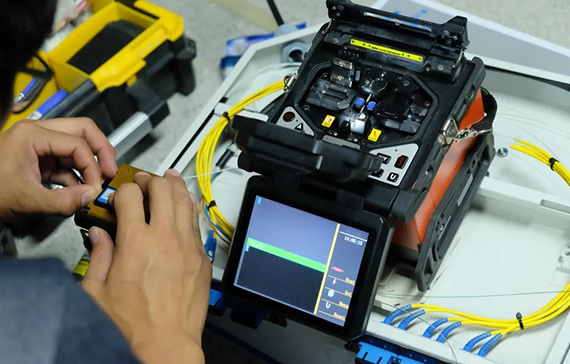
Hardware Selection
Select proper suspension clamps always. Clamps must be correctly rated. Verify grip matches with GYXTC8Y. Pick galvanized steel resisting corrosion. Or, stainless 304 steel is best. Use correct thimbles preventing damage. Also, jacket is 15.0 mm outside. Tools must withstand 2500N tension. Next, select matching bolts and nuts. Ensure good coating on parts.
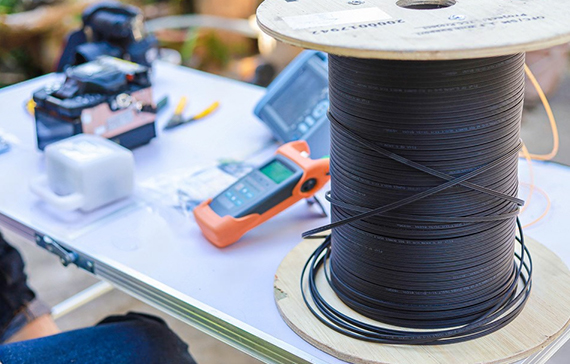
Sag Management
Correct cable sag is essential now. Control tension while stringing cable. Adjust sag following local rules. Maintain clearance from ground, using 20D. Moreover, use dynamometer for exact readings. Allow thermal expanding between -40°C/70°C. Span can reach 100 meters long. Fiber is inside a 242µm area. Furthermore, G.652D will ensure performance.
GYXTC8Y Fiber Optic Cable Specifications
| Specification | Central Tube Design | Stranded Tube | Messenger Wire | Sheath Material | Fiber Type | Application Type |
| Fiber Count | 2-24 Fibers | Up to 48 Fibers | 1.2mm-1.6mm | PE, LSZH | G.652D, G.657.A | Aerial, Self-Support |
| Tensile Strength(N) | 600N Short Term | 800 N | Galvanized Steel | UV Resistant | Single-Mode | Outdoor |
| Crush Resistance(N/100mm) | 1000N | 1000N | 7×1.0mm | Black Color | Low Loss | Figure-8 Config |
| Operating Temp.(C) | -40 to +60 | -40 to +70 | High Strength | 1.8mm Thickness | Bend-Insensitive | FTTx |
| Bending Radius (mm) | 20D Dynamic | 10D Static | Stranded Wires | Anti-Rodent (Optional) | 9/125 µm | Short Span |
| Water Blocking | Gel-Filled Tube | Dry Waterblocking | Phosphate Coated | MDPE | 250µm colored fiber | Duct (if armored ) |
| Cable Diameter(mm) | 7.0- 9.5 | 8.0-11.0 | 10-14 Figure 8 | Corrosive protection | 12f/tube | Light Duty |
GYXTC8Y Figure-8 Self-supporting Cable FAQ
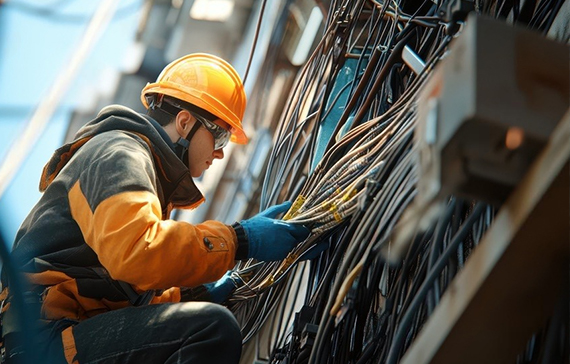
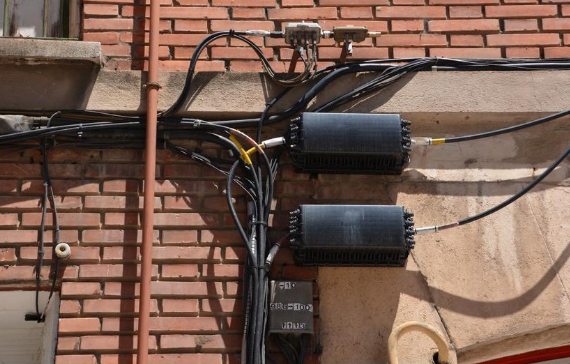
Q1: What is GYXTC8Y Figure 8 cable?
Q2: What is the maximum span for GYXTC8Y?
Q3: Can GYXTC8Y be buried underground?
Q4: Is GYXTC8Y same as ADSS cable?
- GYXTC8Y: With steel messenger wire, figure-8 shape, short span FTTH drop cable
- ADSS: All dielectric, no metal, used for long span overhead along high voltage power lines
Related Products
Share GYXTC8Y Fiber Optic Cable to Your Social Media
Ultimate FAQ Guide to Fiber Optic Cable
What types of fiber optic cables do you manufacture?
Our factory produces a wide range of fiber optic cables for different applications:
Outdoor Fiber Optic Cable
- ADSS Fiber Optic Cable
- OPGW Fiber Optic Cable
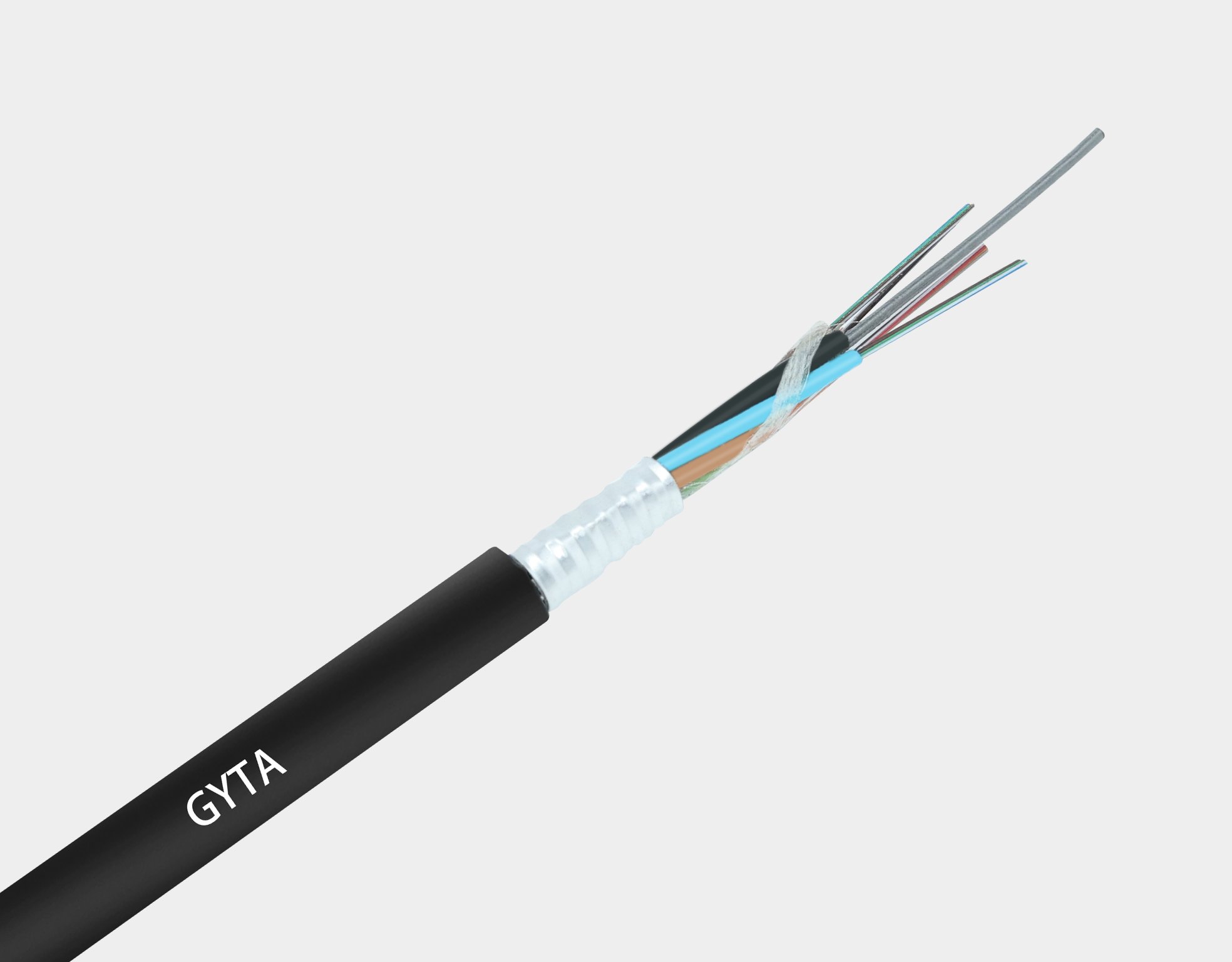
- GYTA Fiber Optic Cable
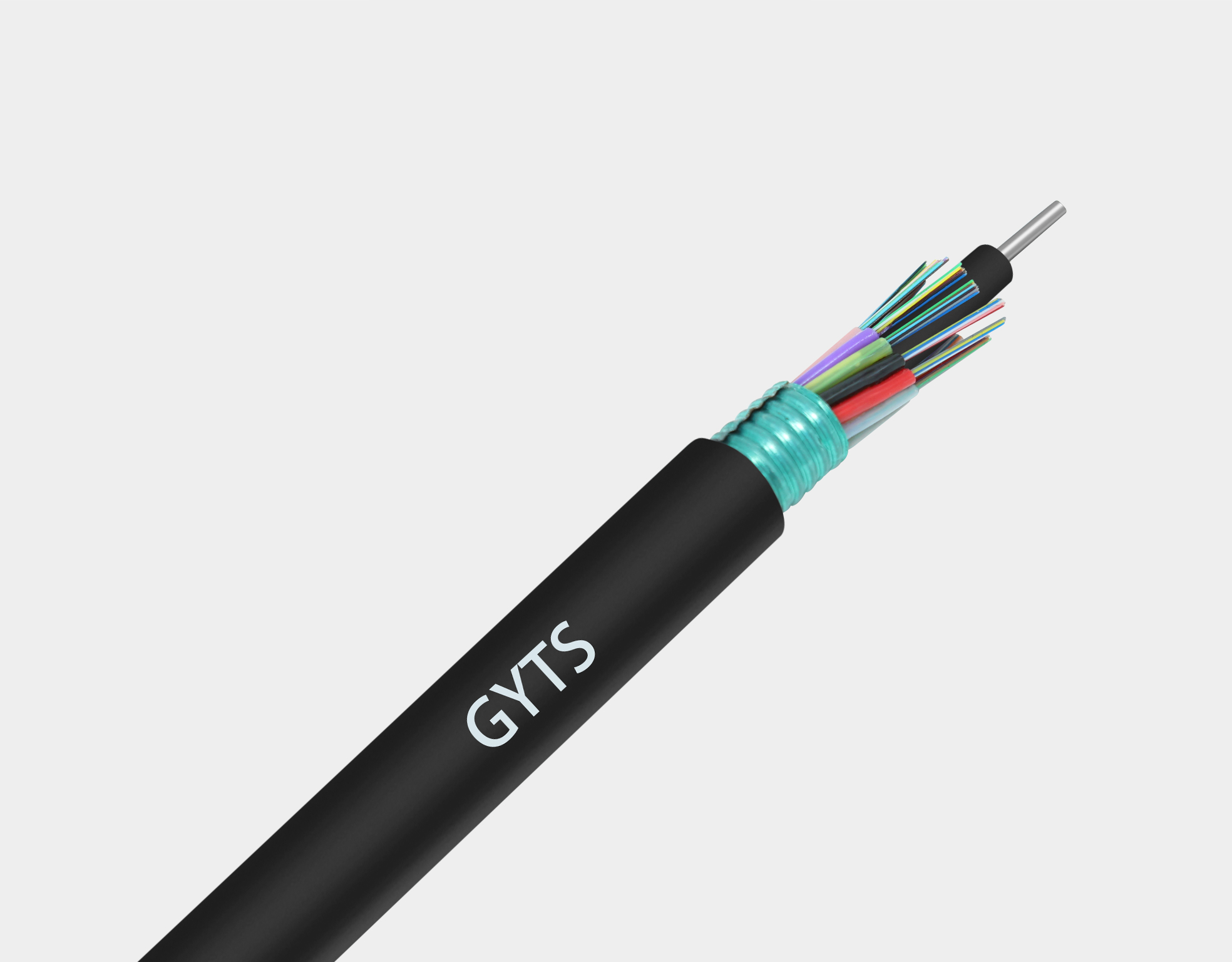
- GYTS Fiber Optic Cable
- GYXTW Fiber Optic Cable
- Armored Fiber Optic Cable
- Direct Burial Fiber Cable
- Duct Fiber Optic Cable
- Aerial Fiber Optic Cable
FTTH Fiber Optic Cable
- FTTH Drop Cable
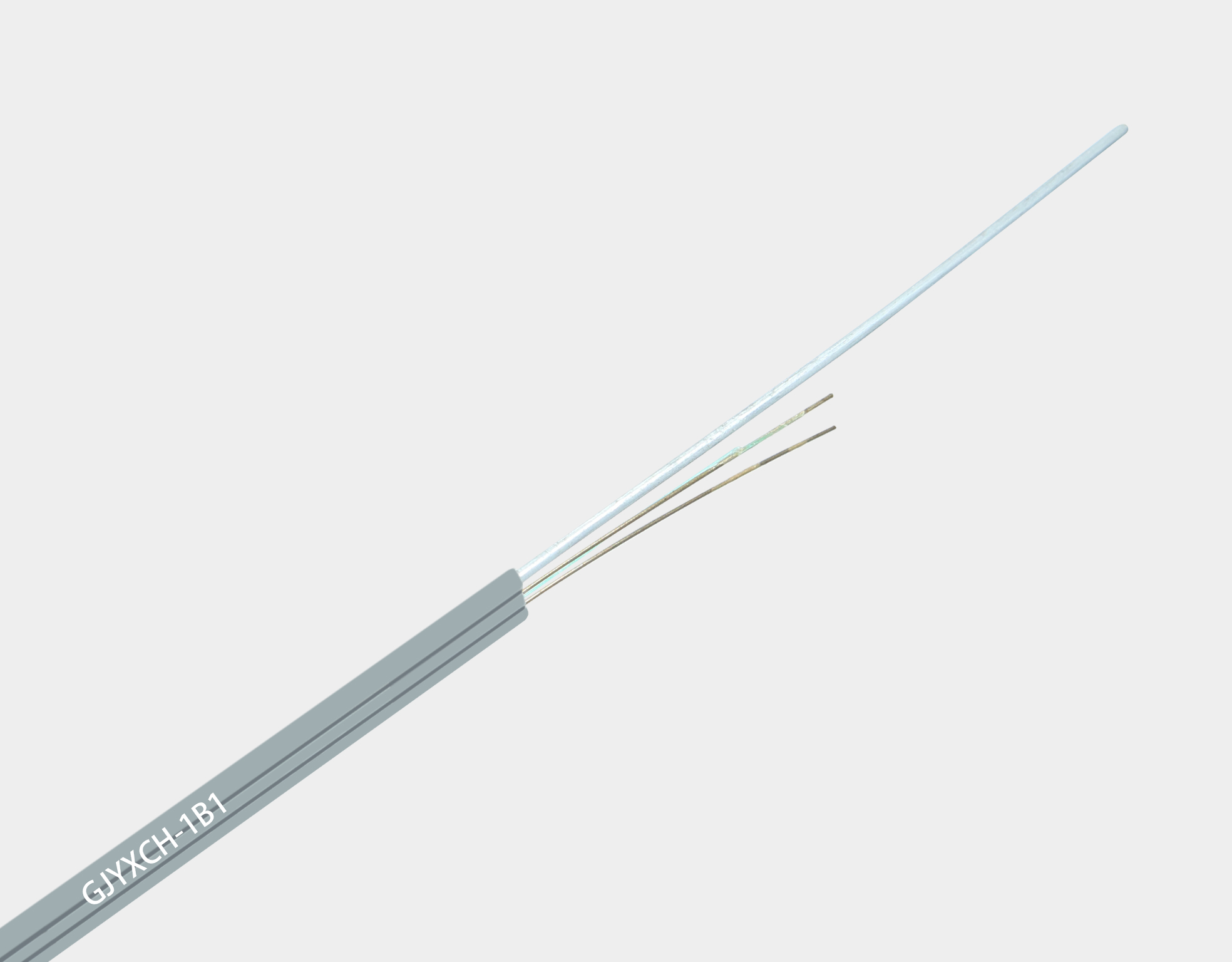
- GJYXCH
- GJYXFCH
- Indoor Fiber Cable
Special Fiber Optic Cable
- Submarine Fiber Optic Cable
- ASU Fiber Optic Cable
- Hybrid Fiber Cable
- Air Blown Fiber Cable
We can provide fiber optic cable solutions for telecom operators, ISPs, contractors, distributors, and government projects.
Where is your fiber optic cable factory located?
Our fiber optic cable manufacturing facility is located in China, with modern production lines and complete testing equipment.
The factory includes:
- Fiber drawing and coloring equipment
- Cable extrusion production lines
- SZ stranding machines
- Armoring production lines
- Optical performance testing equipment
- Mechanical performance testing equipment
We have the ability to produce large-volume orders while maintaining consistent quality.
What is your monthly production capacity?
Our factory has strong production capacity to support both small and large projects.
Typical production capacity:
- ADSS Cable: thousands of kilometers per month
- GYTA/GYTS Cable: large-scale continuous production
- FTTH Drop Cable: high-speed mass production
For large projects, we can arrange dedicated production schedules to ensure stable delivery.
Can you provide customized fiber optic cables?
Yes. We provide OEM and ODM customization services according to customer requirements.
Customization options include:
- Fiber count (2 cores, 4 cores, 12 cores, 24 cores, 48 cores, 96 cores, 144 cores, etc.)
- Fiber type (G652D, G657A1, G657A2, OM1, OM2, OM3, OM4)
- Cable structure
- Jacket material
- Cable color
- Printing information
- Reel size
- Packaging requirements
Our engineering team can recommend the most suitable cable design based on your installation environment.
What fiber types do you use?
We mainly use high-quality optical fibers from reliable suppliers.
Available fiber types:
Single Mode Fiber
- G652D
- G657A1
- G657A2
Multimode Fiber
- OM1
- OM2
- OM3
- OM4
G652D is commonly used for backbone networks, while G657A1/A2 is widely used for FTTH applications because of its excellent bending performance.
What standards do your fiber optic cables meet?
Our fiber optic cables comply with international standards, including:
- IEC standards
- ITU-T recommendations
- RoHS requirements
- ISO quality management standards
Different cable types can meet specific requirements such as:
- IEC 60794 Fiber Optic Cable Standard
- ITU-T G.652/G.657 Fiber Standard
- ASTM and customer-specific requirements
How do you guarantee fiber optic cable quality?
Quality control is one of our factory priorities.
Each production stage is strictly inspected:
Raw Material Inspection
- Optical fiber quality
- Strength member
- Jelly compound
- HDPE jacket material
Production Testing
- Fiber attenuation testing
- Tensile strength testing
- Crush resistance testing
- Temperature cycling testing
Final Inspection
- Optical performance test
- Appearance inspection
- Length verification
- Packaging inspection
Every cable shipment is tested before delivery.
What testing equipment do you have?
Our factory uses professional testing equipment, including:
- OTDR testing equipment
- Tensile testing machines
- Crush resistance testers
- Environmental testing chambers
- Fiber attenuation testers
- Diameter measurement equipment
These tests ensure cable reliability during installation and long-term operation.
What is the minimum order quantity (MOQ)?
MOQ depends on the cable type and specifications.
Typical MOQ:
- Standard fiber optic cable: flexible MOQ
- Customized cable: depends on production requirements
- Large projects: negotiated according to project volume
Please contact our sales team for a customized quotation.