
China Various Types of Outdoor Fiber Optic Cable Manufacturer
Are you in search of a trustworthy manufacturer for custom outdoor fiber optic cables? DEKAM provides premium outdoor fiber optic cables specifically designed to suit your requirements. As a prominent supplier in China, we offer competitive rates and excellent service. Get in touch with DEKAM today for a personalized solution!
Best Selling Outdoor Fiber Optic Cable Types
Outdoor Fiber Optic Cable is a specially designed optical cable used for fiber communication networks installed in outdoor environments. Unlike indoor fiber cables, outdoor cables are engineered to withstand harsh conditions such as moisture, UV exposure, temperature changes, mechanical stress, wind, and underground pressure.
Outdoor fiber optic cables are widely used in:
- Telecommunications networks
- FTTH (Fiber to the Home) projects
- Data center interconnections
- 5G infrastructure
- Long-distance backbone networks
- Industrial communication systems
- Utility power communication networks
The main purpose of outdoor fiber cables is to provide high-speed, stable, and long-distance data transmission with excellent environmental protection.
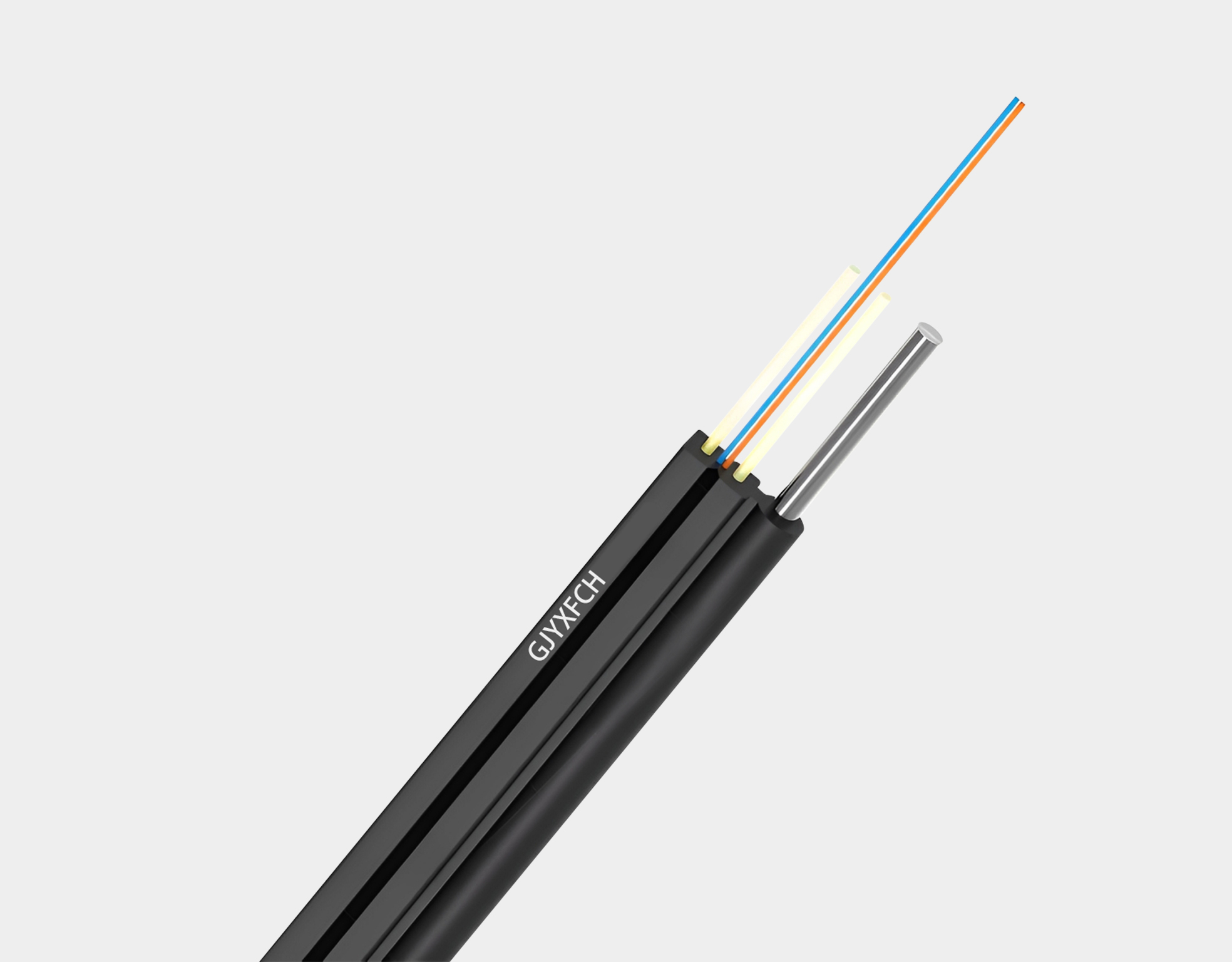
GJYXFCH Fiber Optic Cable
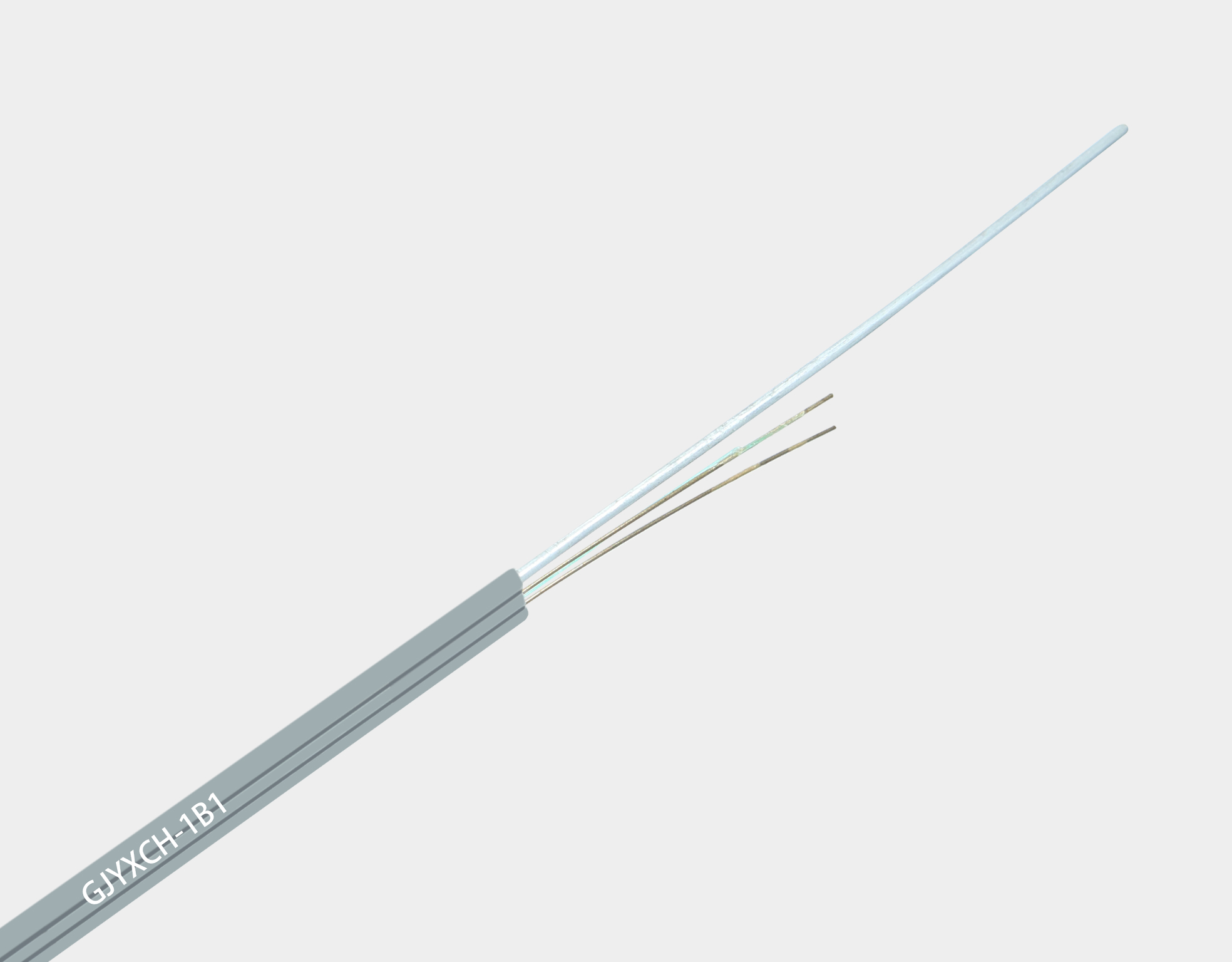
The GJYXFCH cable greatly simplifies complex network setups. You achieve faster installation using its 6.0mm diameter. Fiber protection utilizes a 250µm coating.
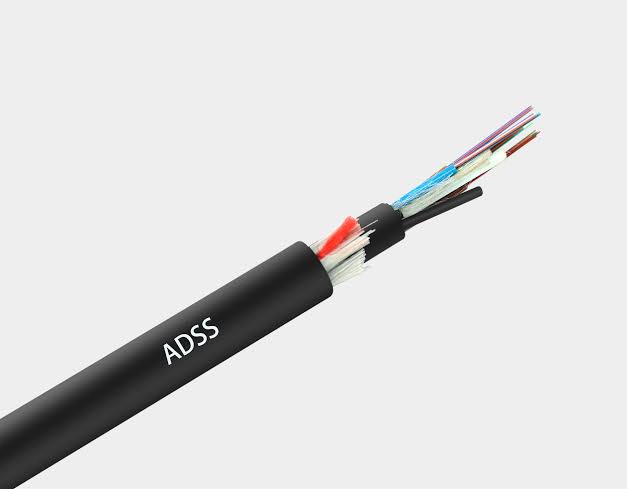
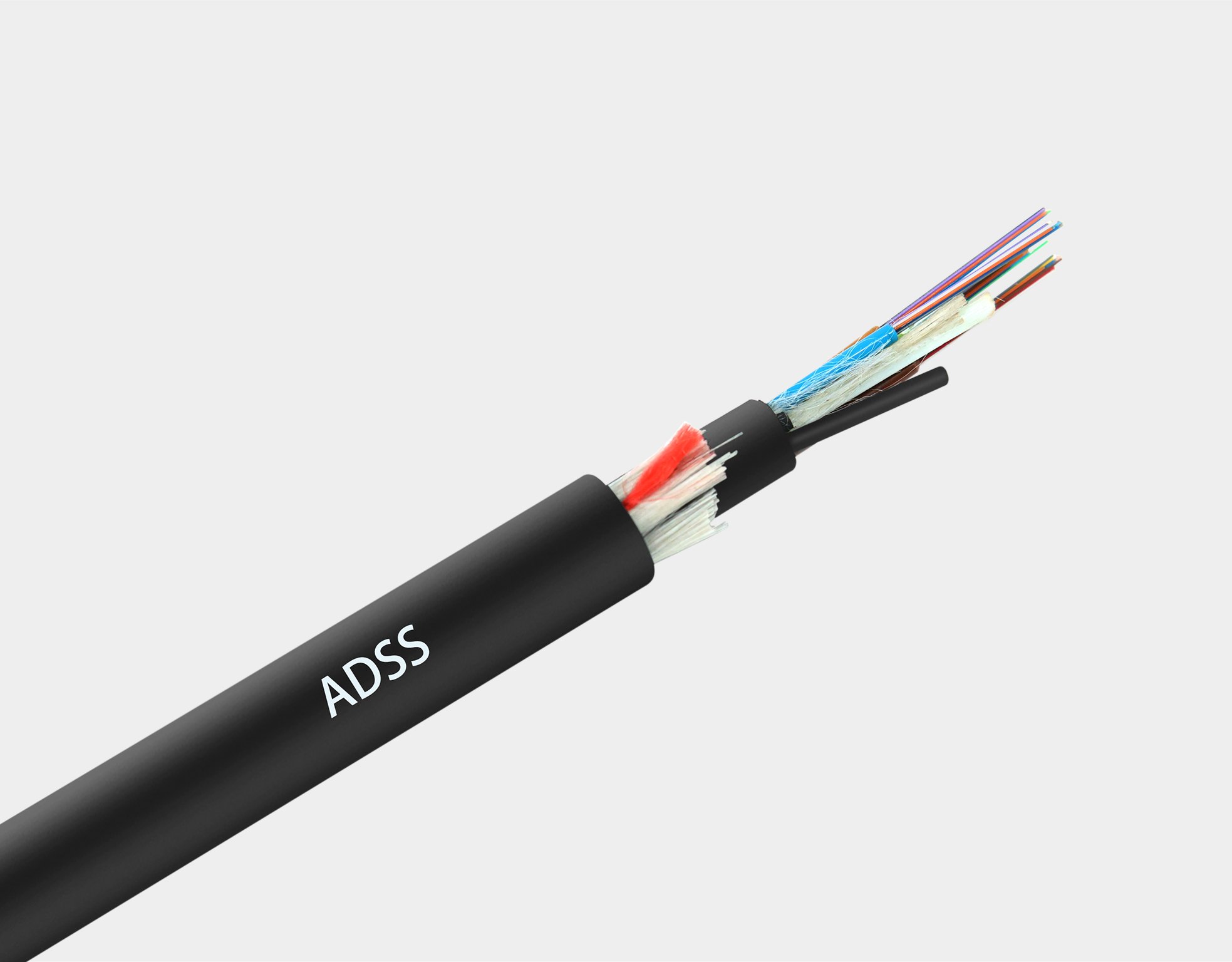
ADSS Fiber Optic Cable
ADSS fiber optic cables are suitable for power lines, long-distance communication, and urban and rural networks, and perform exceptionally well in harsh environments
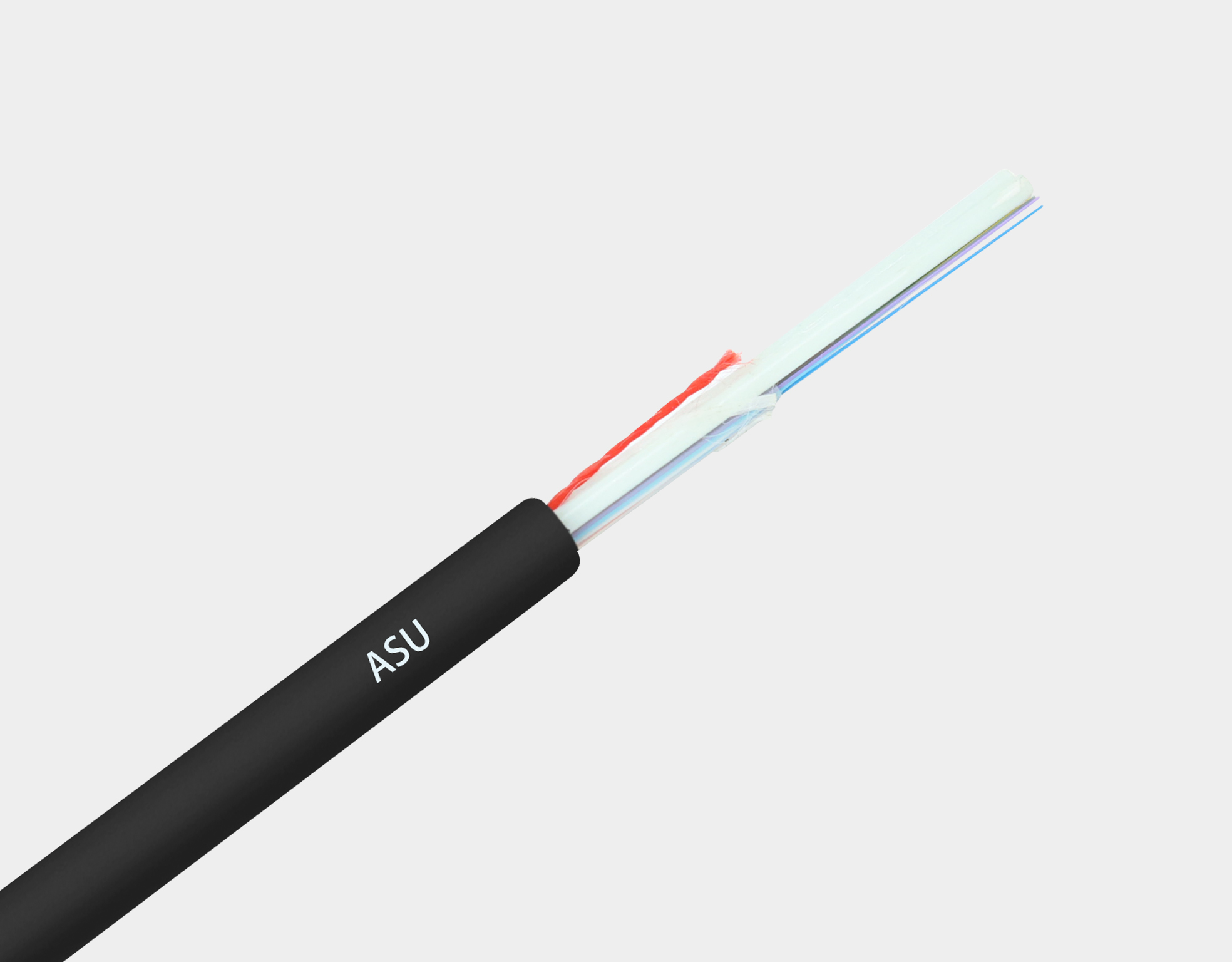
ASU Fiber Optic Cable
ASU optical cable, or All-Dielectric Self-Supporting Utility cable, is designed for aerial installations where no additional support or messenger wires are needed.
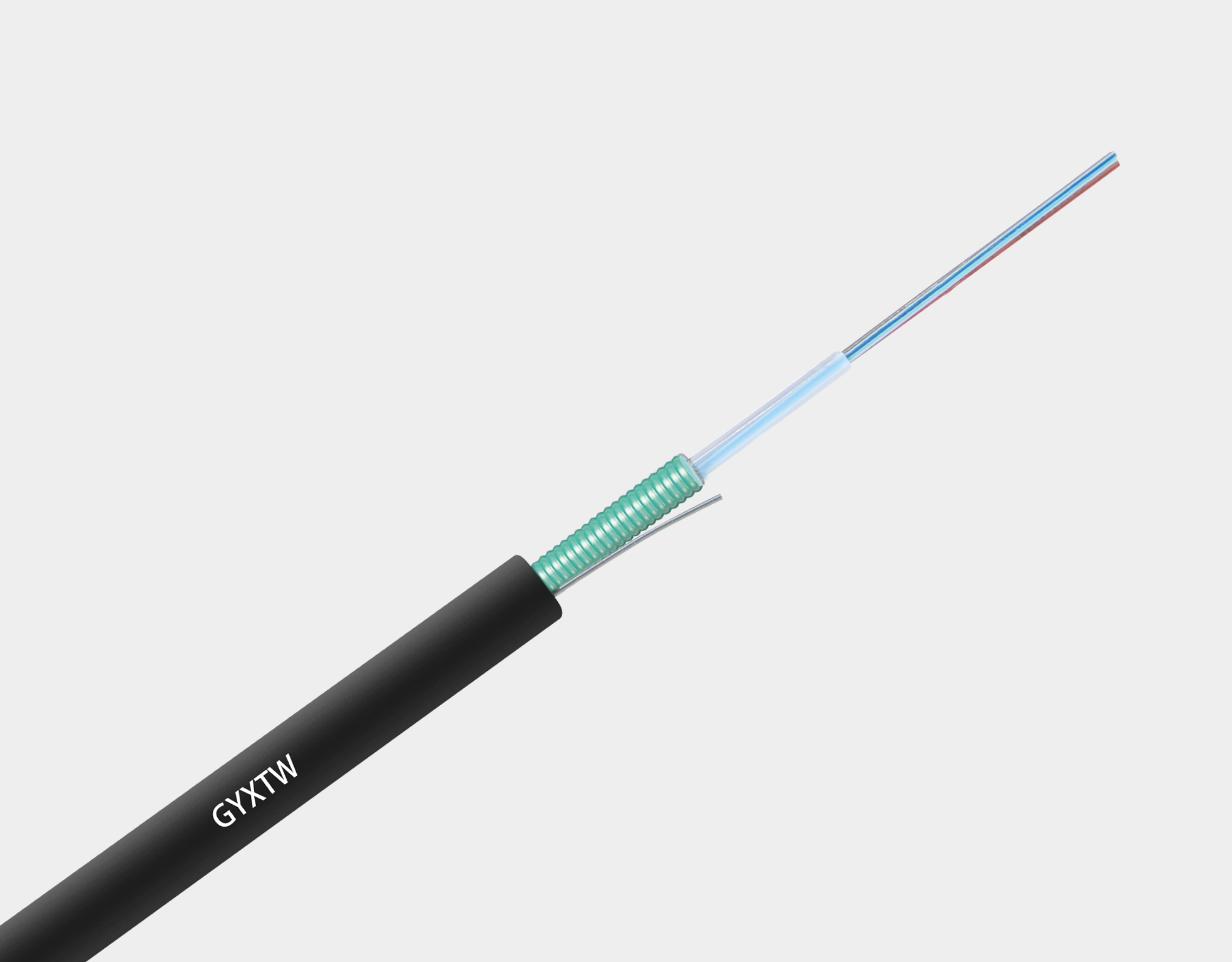
GYXTW Fiber Optic Cable
GYXTW fiber optic cable is constructed using high-quality materials for durability and performance.
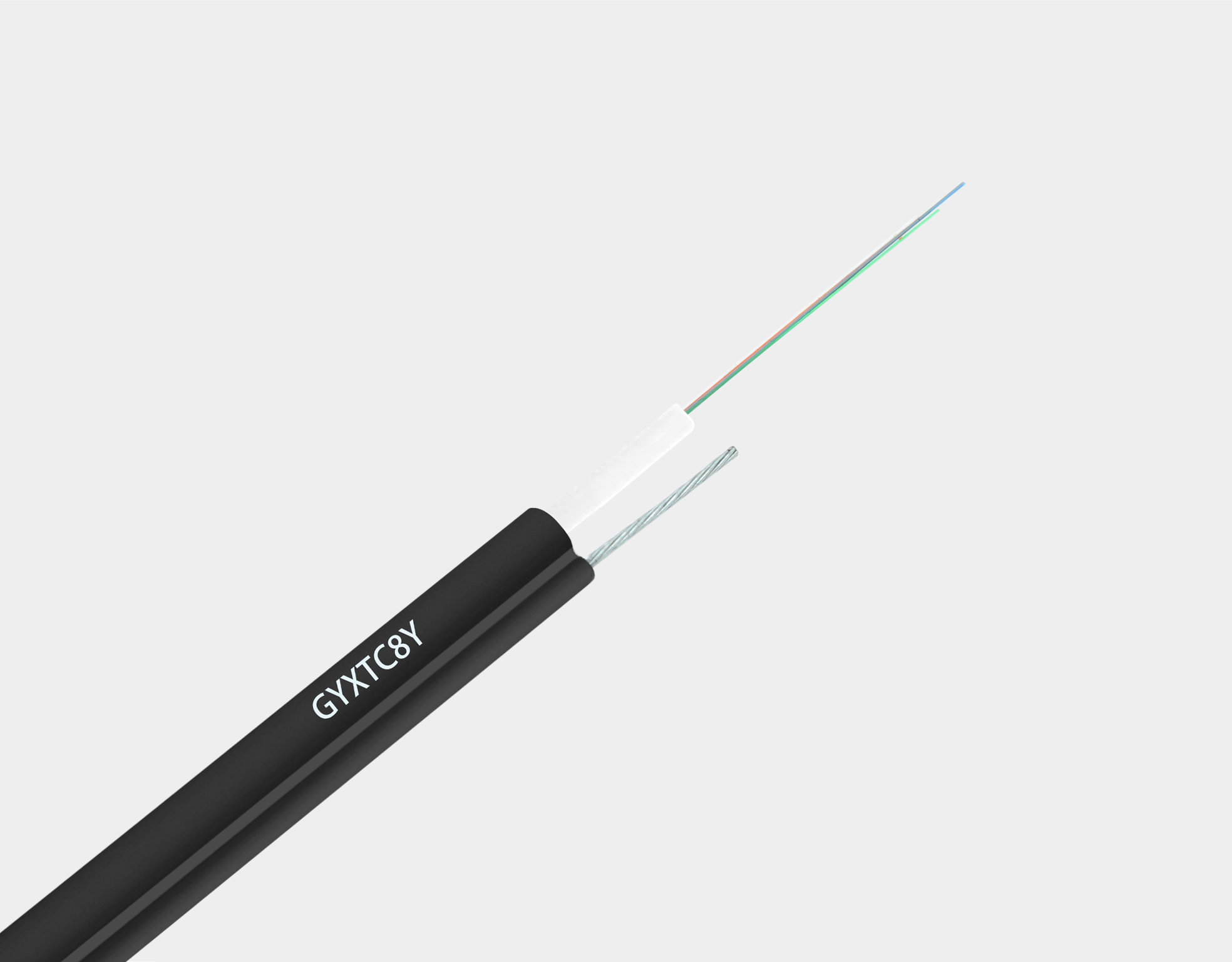
GYXTC8Y Fiber Optic Cable
Figure-8 integrated self-support design, no extra messenger wire needed for aerial hanging
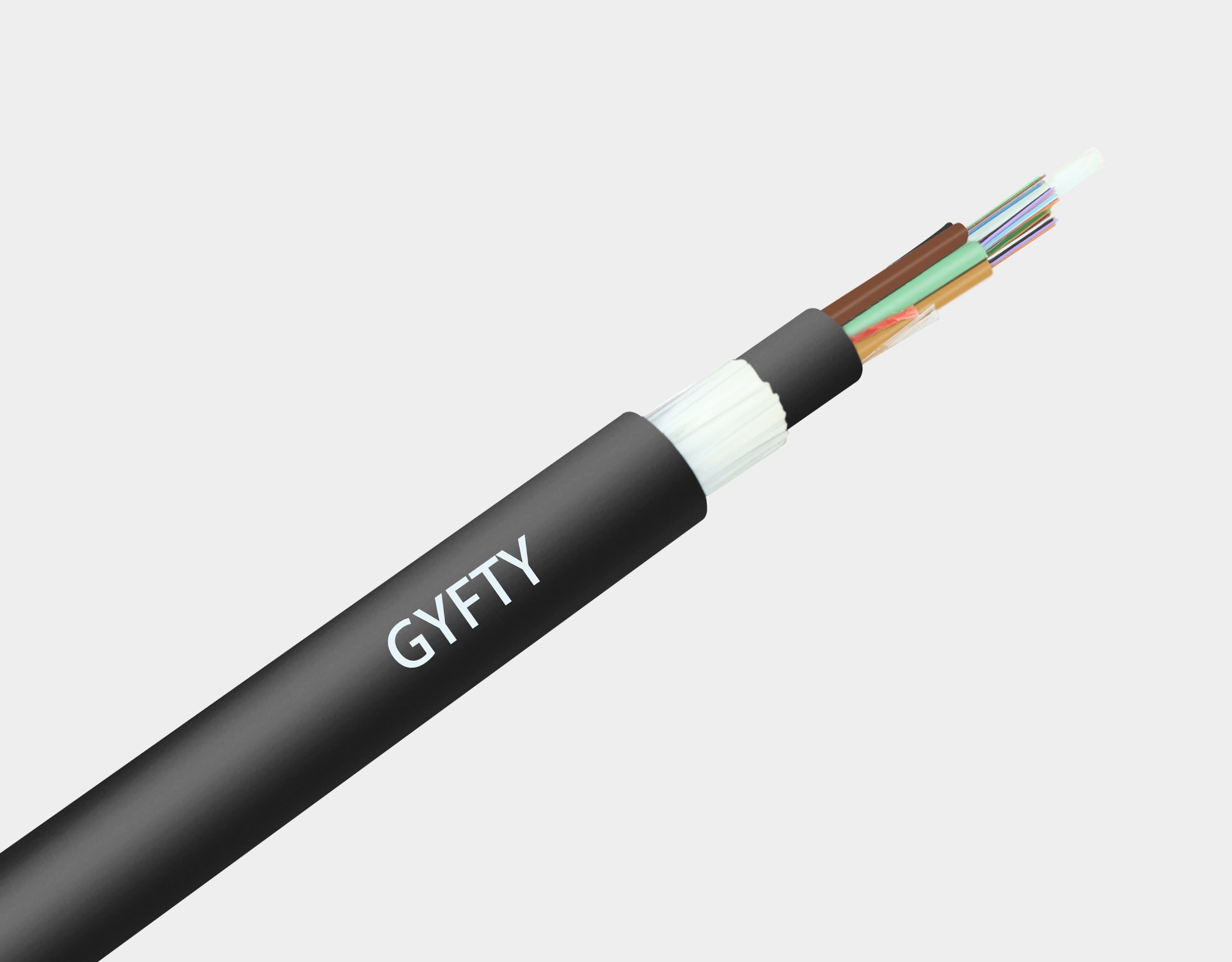
GYFTY Fiber Optic Cable
The loose tube material has good hydrolysis resistance and high strength.
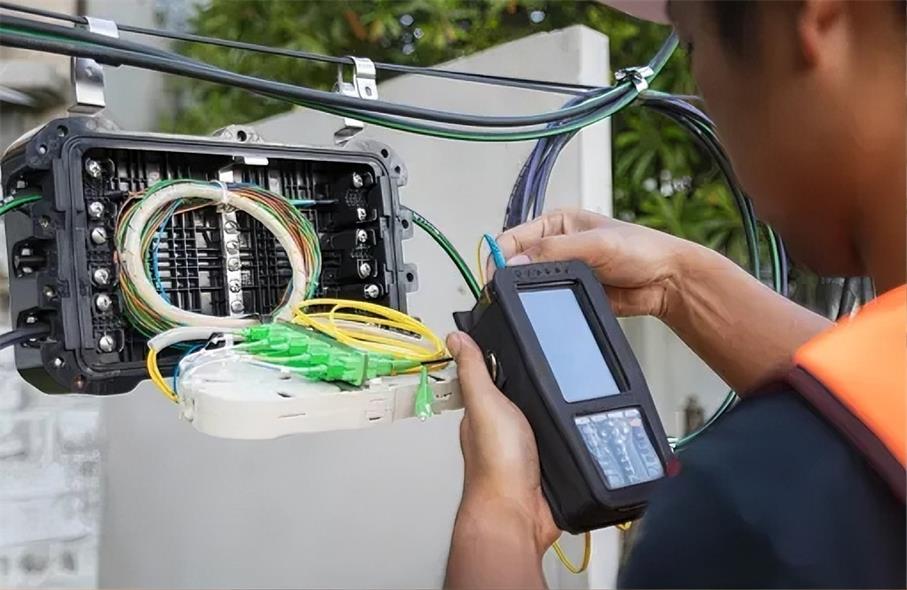
Telecom Networks
Used by:
Internet service providers
Telecom operators
Broadband companies
Applications:
Backbone networks
Metropolitan networks
Access networks
FTTH Broadband Networks
Outdoor fiber optic cable plays an important role in fiber-to-the-home deployment.
Typical structure:
Main backbone cable → Distribution box → Drop cable → Customer home
Common cables:
GYXTW
FTTH drop cable
Mini ADSS cable
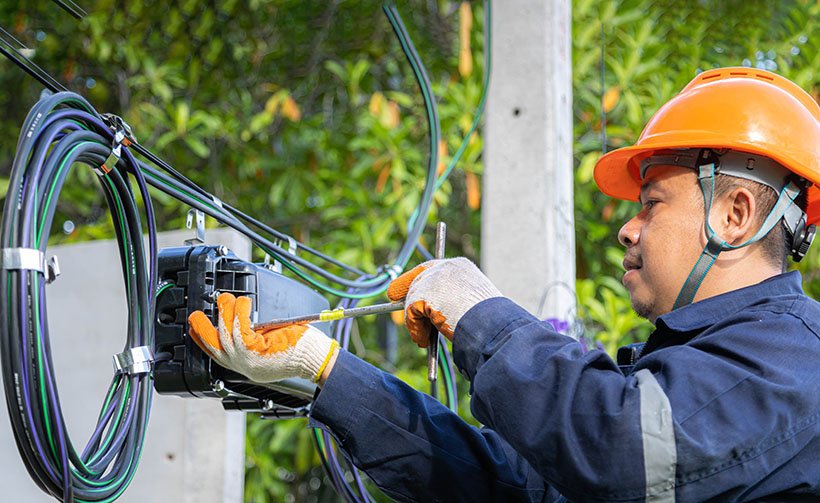
Data Center Interconnection
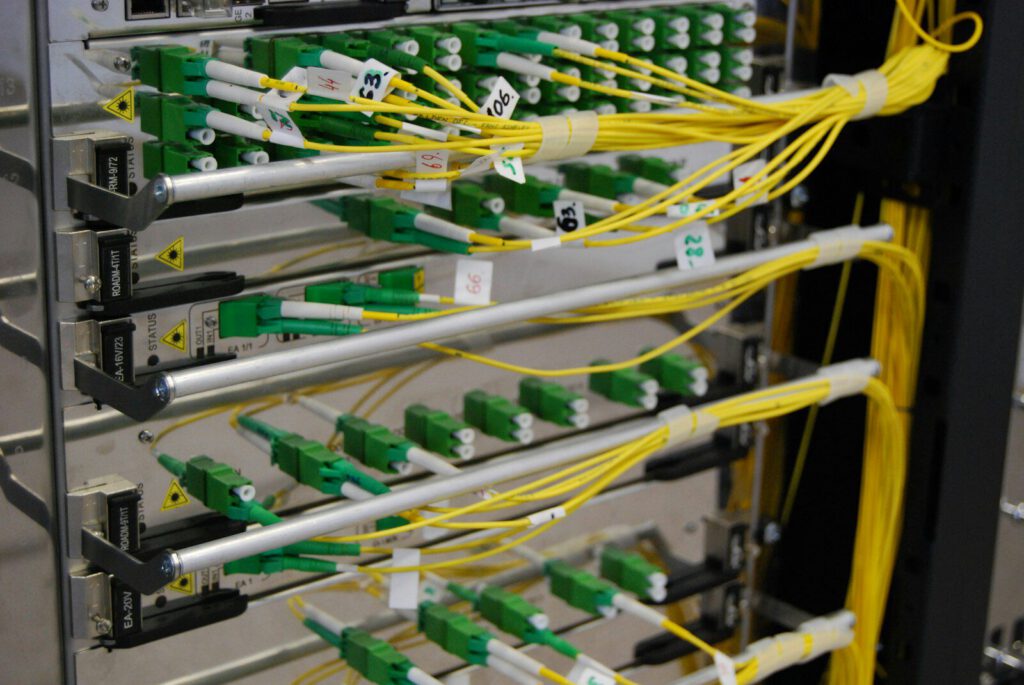
Large data centers require outdoor fiber connections between:
Buildings
Campuses
Server facilities
Important requirements:
High bandwidth
Low attenuation
Reliable protection
Power Grid Communication
Electric utilities use:
ADSS cable
OPGW cable
for:
Smart grid communication
Substation networks
Monitoring systems
Related Products
Share Outdoor Fiber Optic Cable to Your Social Media
Ultimate FAQ Guide to Outdoor Fiber Optic Cable
What are the main types of outdoor fiber optic cables?
The most common outdoor fiber optic cable types include:
ADSS Fiber Optic Cable
Used for aerial installation, especially near power lines. It is fully dielectric and does not require a messenger wire.
GYTS Fiber Optic Cable
A standard outdoor loose tube cable widely used in duct and aerial applications.
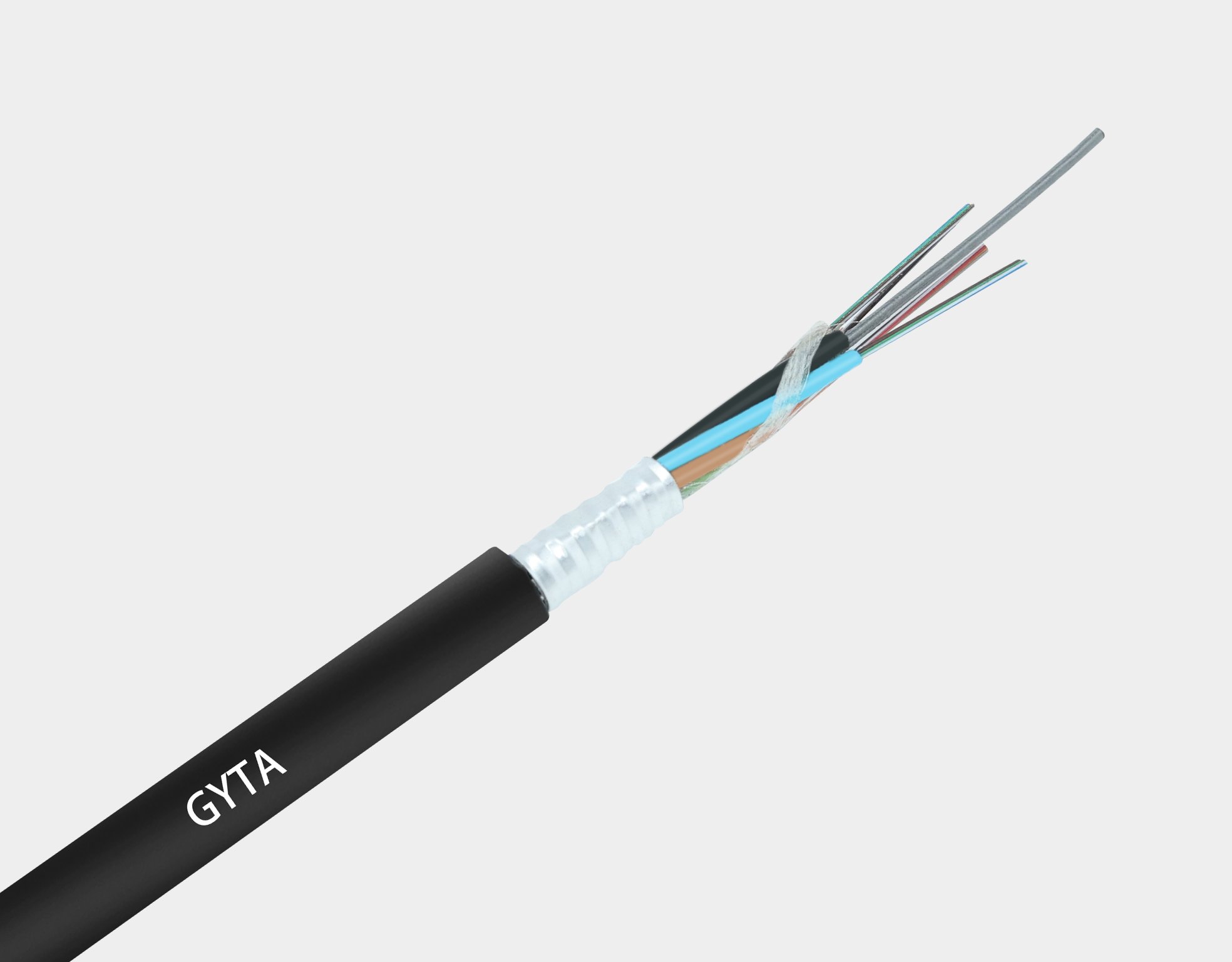
GYTA Fiber Optic Cable
Similar to GYTS but uses an aluminum tape armor layer for additional protection.
GYTA53/GYTS53 Armored Fiber Cable
Designed for direct burial and harsh environments requiring high mechanical strength.
GYXTW Fiber Optic Cable
Compact outdoor cable commonly used for access networks and short-distance communication.
How long does outdoor fiber optic cable last?
High-quality outdoor fiber optic cable typically has a service life of 25 to 30 years or more when properly installed.
The actual lifespan depends on:
- Cable construction quality
- Installation method
- Environmental conditions
- UV exposure
- Temperature variations
- Maintenance practices
Professional installation can significantly extend cable service life.
Can outdoor fiber optic cable be buried underground?
Yes. Many outdoor fiber optic cables are specifically designed for underground installation.
For direct burial applications, recommended cable types include:
- GYTS53 fiber optic cable
- GYTA53 fiber optic cable
- Armored outdoor fiber optic cable
These cables usually include:
- Steel armor protection
- Waterproof layers
- High tensile strength components
Before installation, engineers should consider burial depth, soil conditions, and local regulations.
What fiber type is commonly used in outdoor fiber optic cable?
Most outdoor communication networks use single mode fiber because it supports long-distance transmission.
Common single mode fiber standards include:
G.652D Fiber
Advantages:
- Low attenuation
- Excellent long-distance performance
- Widely used in backbone networks
G.657A1/A2 Fiber
Advantages:
- Better bending performance
- Suitable for FTTH networks
Multimode fiber such as OM3 and OM4 is mainly used for shorter-distance applications like campuses and data centers.
What is the maximum distance of outdoor fiber optic cable?
The transmission distance depends on:
- Fiber type
- Optical equipment
- Transmission wavelength
- Network design
Typical distances:
- G.652D single mode fiber: tens to hundreds of kilometers with proper equipment
- Multimode fiber: usually hundreds of meters to a few kilometers
For long-distance telecom networks, single mode outdoor fiber optic cable is the preferred choice.
What is GYTA Fiber Optic Cable ?
We are a professional manufacturer and exporter specializing in fiber optic cables and communication cable solutions, dedicated to providing reliable and high-performance products for global telecom and infrastructure projects.
Is outdoor fiber optic cable waterproof?
Yes. Most outdoor fiber optic cables include waterproof protection.
Common waterproof designs include:
- Water-blocking gel
- Dry water-blocking tape
- Waterproof filling compound
- Sealed cable jacket
These features prevent water penetration and protect optical fibers from moisture damage.
What cable jacket material is used for outdoor fiber optic cable?
The most common outdoor fiber optic cable jacket material is:
HDPE (High-Density Polyethylene)
Advantages:
- Excellent UV resistance
- Strong mechanical protection
- Good weather resistance
- Long outdoor lifespan
Indoor cables usually use PVC or LSZH materials, which are not suitable for long-term outdoor exposure.
How do I choose the right outdoor fiber optic cable?
The correct cable depends on the installation environment.
For aerial installation:
Choose:
- ADSS fiber optic cable
For underground duct installation:
Choose:
- GYTS
- GYTA
For direct burial:
Choose:
- GYTS53
- GYTA53 armored cable
For FTTH access networks:
Choose:
- GYXTW
- Outdoor drop fiber cable
Important selection factors include:
- Fiber count
- Fiber type
- Span length
- Tensile strength
- Weather resistance